
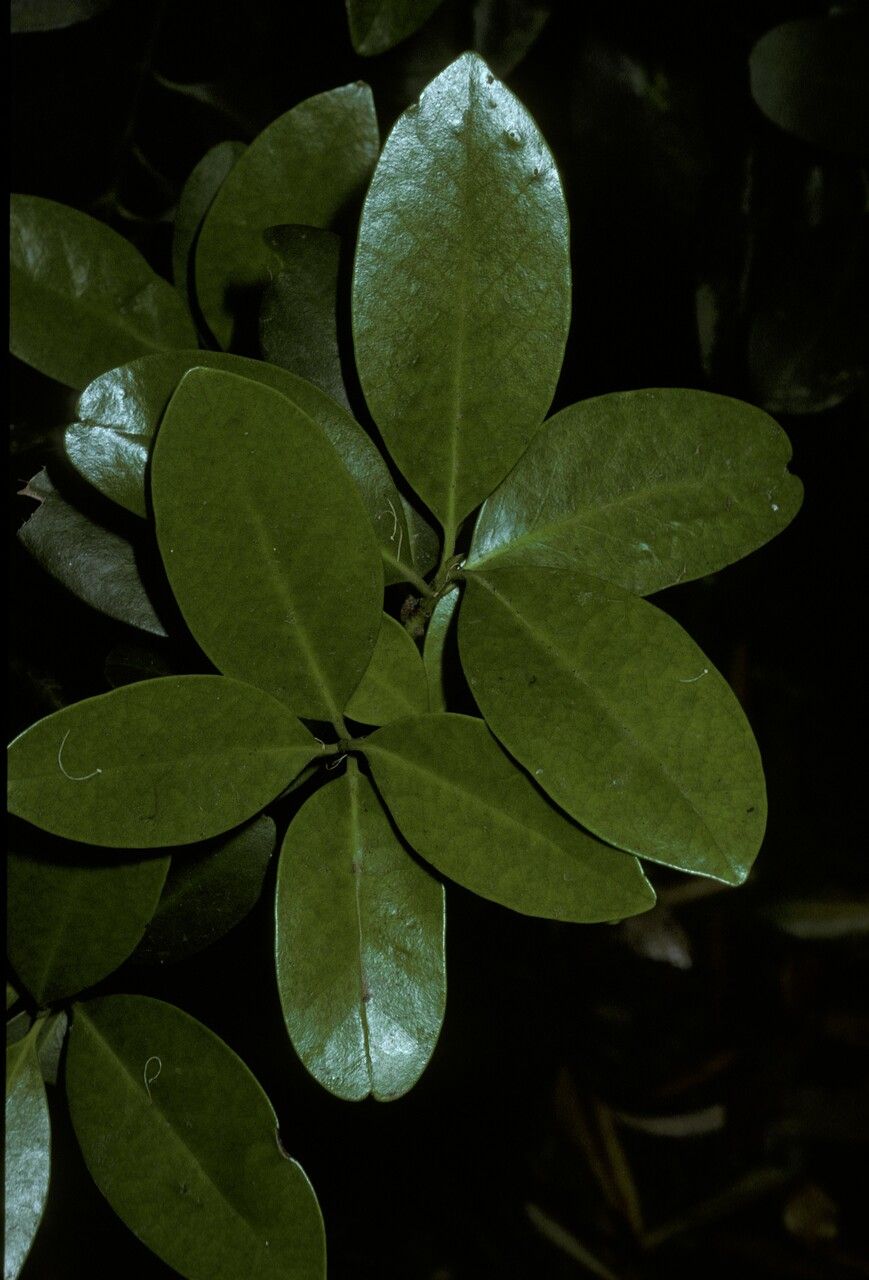
Cracking the Code: Unlocking the Secrets of Gomortega keule Propagation
The Gomortega keule, also known as the Keule or Chilean Bellflower, is a botanical enigma. Endemic to a small region of Chile, this evergreen tree, with its striking bell-shaped flowers and edible fruit, is not just a feast for the eyes but also a symbol of conservation urgency. Sadly, the Keule is critically endangered, clinging to survival in the face of habitat loss and low regeneration rates.
But there’s hope. Understanding and successfully propagating the Keule is crucial for its preservation. And that’s what we’ll be exploring – the fascinating, and sometimes frustrating, world of Gomortega keule propagation.
The Challenges of a Recalcitrant Species:
The Keule doesn’t give up its secrets easily. It’s classified as a ‘recalcitrant’ seed species, meaning those seeds are notoriously difficult to store and germinate. They are highly sensitive to drying and cooling, making conventional storage methods ineffective.
Cracking the Germination Code:
So, how do we propagate this stubborn tree?
- Fresh is Best: The key is using fresh seeds, ideally collected directly from ripe fruits. These seeds have the highest viability and offer the best chance of success.
- Simulating Nature: The seeds need specific conditions to germinate. Replicating their natural environment is essential. This includes:
- Well-draining soil: A mix rich in organic matter and able to retain moisture without becoming waterlogged is ideal.
- Light shade: Keule seedlings are sensitive to intense sunlight. Providing dappled light or partial shade is critical, especially during the early stages.
- Patience is Key: Be prepared to wait. Germination can take anywhere from a few months to over a year.
Beyond Seeds: Exploring Vegetative Propagation:
While seed propagation is the primary method, researchers and conservationists are exploring alternative techniques:
- Cuttings: This method involves taking cuttings from mature, healthy trees and encouraging root development. While successful rooting of Keule cuttings remains challenging, ongoing research offers promising possibilities.
- Grafting: This technique involves joining a cutting (scion) from the Keule onto a closely related rootstock, often another species within the Gomortegaceae family. Grafting can potentially enhance growth and resilience.
The Importance of Conservation Efforts:
Successful propagation of the Gomortega keule is not just a horticultural triumph; it’s a conservation imperative. By increasing the number of individuals, we can establish ex-situ conservation collections, providing a safety net against extinction. Propagating and planting Keule trees also contributes to habitat restoration and strengthens the species’ chance of surviving in its natural environment.
A Call to Action:
The future of the Gomortega keule lies in understanding its reproduction and actively participating in its conservation. Whether you’re a seasoned botanist or a plant enthusiast, learning about and supporting the propagation of this endangered species is a meaningful step towards preserving a unique piece of our planet’s biodiversity. Let’s work together to ensure the bell-shaped flowers of the Keule continue to grace the Chilean forests for generations to come.