
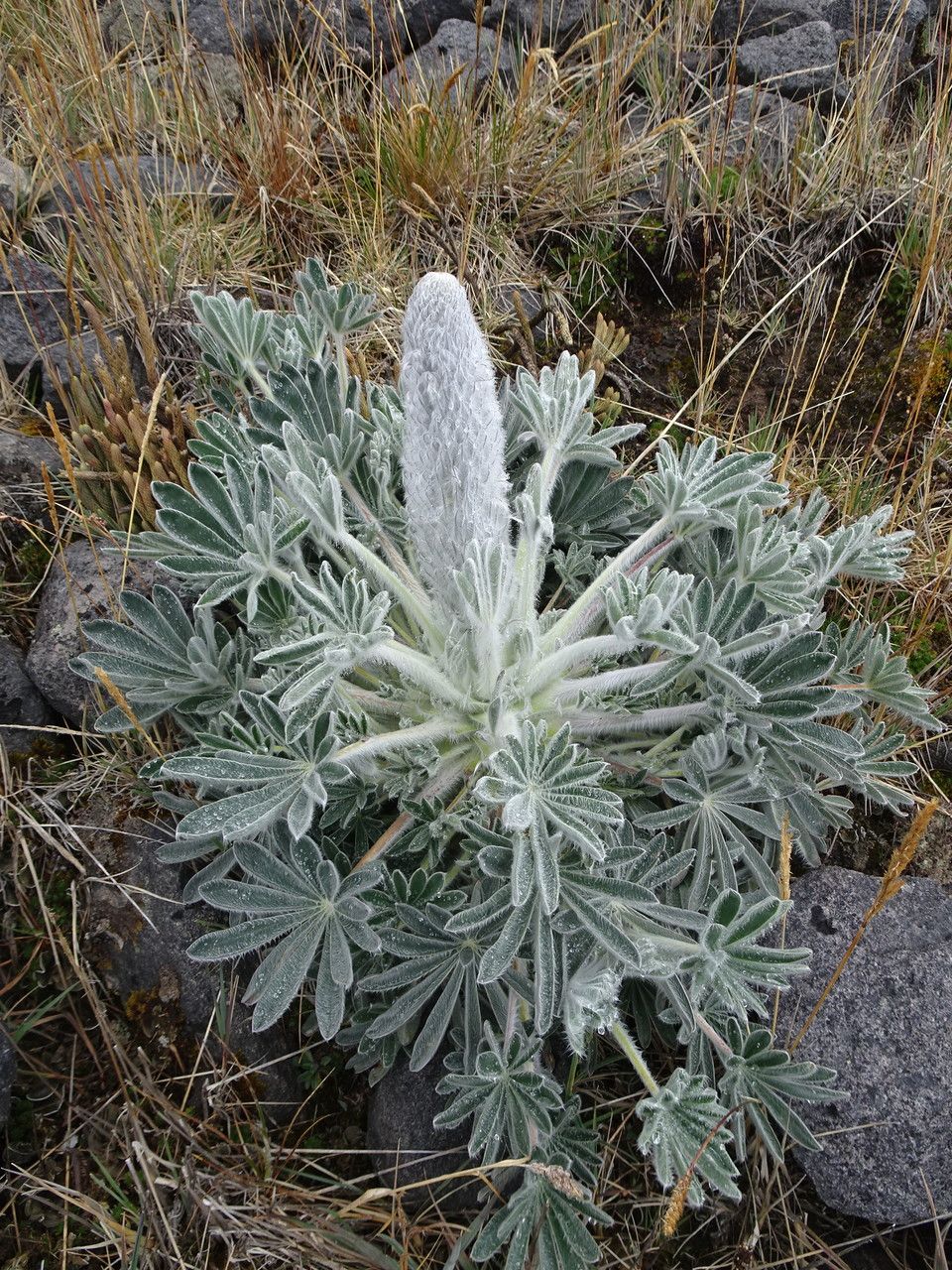
Propagating the Foxtail Lupine (Lupinus alopecuroides): A Gardener’s Guide
Introduction:
Lupinus alopecuroides, commonly known as the Foxtail Lupine, is a striking perennial native to certain parts of North America, captivating gardeners with its tall, elegant spikes of densely packed flowers. These flowers, typically a vibrant blue-violet but sometimes exhibiting variations, bloom profusely, adding a dramatic touch to borders, meadows, or wildflower gardens. Its relatively easy maintenance once established enhances its appeal. However, propagating this beauty presents specific challenges, making successful cultivation a rewarding experience. Unlike some lupine species readily propagated from seed, L. alopecuroides presents unique hurdles requiring diverse techniques.
Seed Germination:
Seed germination for Lupinus alopecuroides is viable, but challenging. The seeds possess a hard seed coat that inhibits water uptake, requiring stratification. This process mimics the natural winter conditions necessary to break dormancy.
Challenges: Low germination rates are common even with stratification. Fungal diseases can easily affect seedlings, particularly in overly moist conditions.
Practical Tips: Scarification (lightly nicking the seed coat) combined with cold stratification (placing seeds in moist vermiculite or peat moss at 3-5°C for 4-6 weeks) significantly improves germination success. Sow seeds shallowly in well-draining seed-starting mix, keeping the soil consistently moist but not waterlogged. Ensure good air circulation to prevent fungal growth.
Rewards: Seed propagation offers the greatest potential for genetic diversity, yielding a range of plant characteristics. It’s also the most cost-effective method, allowing for large-scale propagation if successful.
Cuttings:
Currently, there are no known reliable methods for propagation of Lupinus alopecuroides from cuttings. Lupines generally are not easily propagated via this method.
Division:
Division is a viable method for propagating Lupinus alopecuroides, though it is limited by the plant’s growth habit and the timing required.
Challenges: Successful division necessitates waiting until the plant is well-established and ideally slightly dormant. Dividing too early or too late can severely damage the plant, leading to reduced vigour or death. Each division must include ample root mass to ensure viability.
Practical Tips: Early autumn or spring (depending on your climate) are optimal times for division. Dig carefully around the mature plant to avoid damaging the roots. Divide the plant into sections, ensuring each division has several healthy growing points and a substantial root system. Replant the divisions immediately in prepared soil, ensuring adequate spacing.
Rewards: Division allows for the rapid increase of a proven, desirable plant clone, preserving desirable characteristics. It is less labour-intensive than seed propagation if you already have established plants.
Tissue Culture:
While possible, tissue culture propagation of Lupinus alopecuroides is generally not feasible for home gardeners due to the highly specialized equipment, sterile conditions, and expertise required. It is a method typically undertaken in research or commercial settings.
Conclusion:
Propagating Lupinus alopecuroides presents a unique set of challenges, requiring patience, attention to detail, and a willingness to experiment. Seed germination, while possible with careful stratification, provides the greatest potential for genetic variation but often yields unpredictable results. Division offers a more reliable (but less expansive) method for experienced gardeners. The rewards of successful propagation include the satisfaction of nurturing these striking plants from seed or division, building a thriving population in your garden, or even sharing your success with fellow gardeners. Don’t be discouraged by initial setbacks – persistence and mindful attention to the plant’s needs are key to unlocking the beauty and resilience of the Foxtail Lupine.