
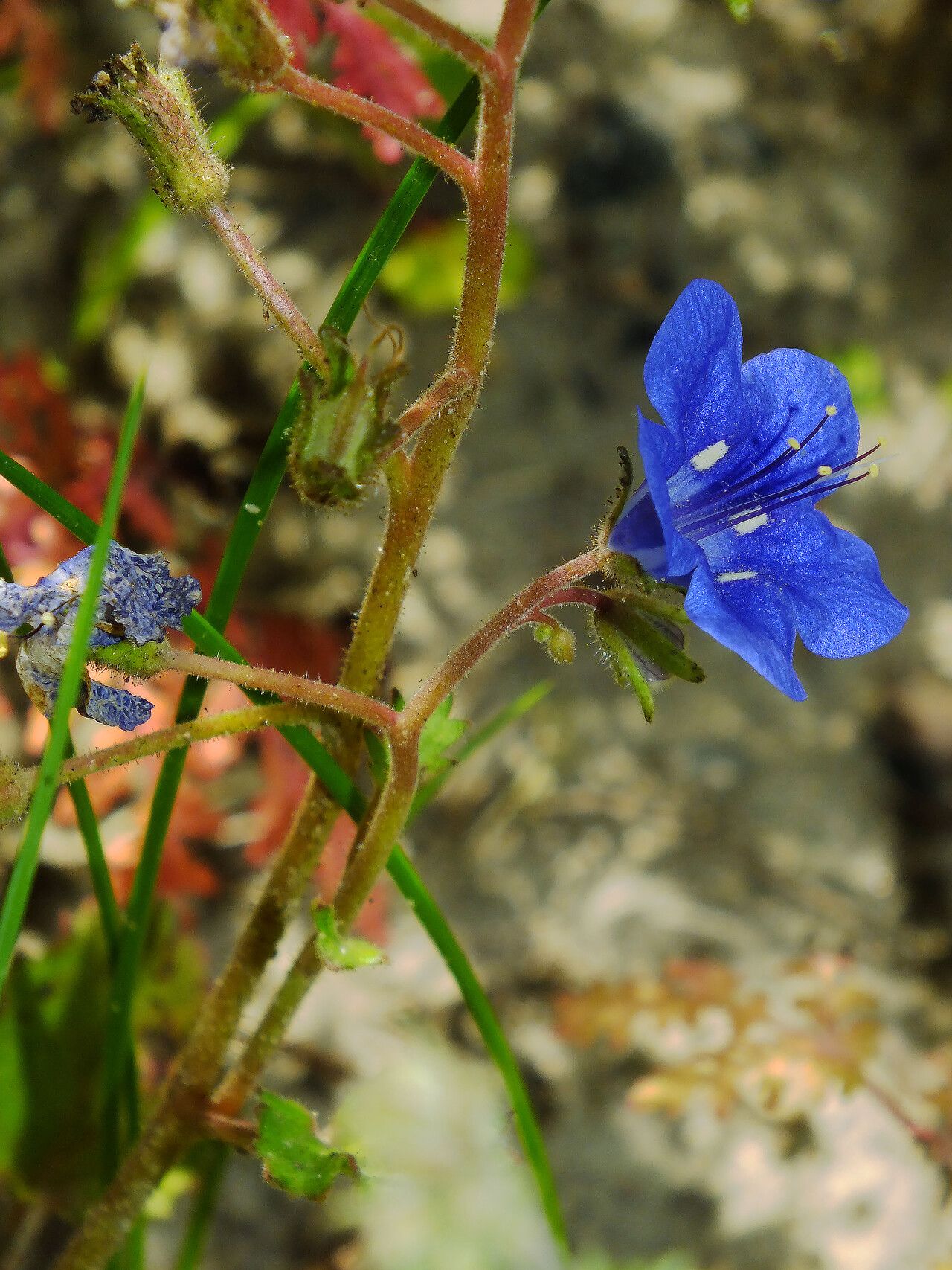
Propagating the California Bluebell: A Gardener’s Guide to Phacelia campanularia
Phacelia campanularia, commonly known as the California Bluebell, is a captivating annual wildflower prized for its vibrant, bell-shaped blue flowers and ease of cultivation. Its airy, cascading habit makes it a popular choice for rock gardens, borders, and containers, adding a splash of cheerful color to any landscape. The plant’s prolific self-seeding nature contributes to its popularity, but for more controlled propagation and to maintain specific characteristics, gardeners often explore other methods. This guide explores various techniques for propagating this charming wildflower, acknowledging both the rewards and challenges involved.
Seed Germination:
Seed germination is a highly viable method for propagating Phacelia campanularia. However, success hinges on proper technique.
Challenges: While Phacelia campanularia seeds are relatively easy to germinate, overcrowding can lead to damping-off (fungal disease), particularly in poorly-draining soil. Additionally, seeds require light for germination, so burying them too deeply can hinder the process.
Tips: Sow seeds directly outdoors in spring or fall, after the last expected frost. Scatter seeds thinly on the surface of well-draining soil, gently firming them into the ground. Keep the soil consistently moist but not waterlogged. Avoid covering the seeds with soil; a light dusting of fine sand might be helpful. Consider using a seed-starting mix for better drainage and aeration.
Rewards: Seed propagation offers the advantage of genetic diversity, ensuring a range of plant characteristics. It’s a cost-effective method, and ideal for large-scale propagation.
Cuttings:
Currently, there are no known reliable methods for propagating Phacelia campanularia from cuttings. The plant’s annual nature and soft stems do not lend themselves well to this technique.
Division:
Division is generally not applicable for Phacelia campanularia as it is an annual plant with a relatively short lifespan. It does not form the rhizomes or tubers necessary for successful division.
Tissue Culture:
While theoretically possible, tissue culture propagation of Phacelia campanularia is not a commonly practiced method for home gardeners. This technique requires specialized equipment, sterile conditions, and expertise in plant tissue culture, making it impractical for most hobbyists.
Conclusion:
Propagating Phacelia campanularia presents a unique set of challenges and rewards. Seed germination offers a readily accessible and rewarding method for producing numerous plants, maximizing genetic diversity, though careful attention to sowing techniques is crucial. While cuttings and division are not viable options, the simplicity and effectiveness of seed propagation make this a very accessible plant to propagate, even for beginners.
Successfully nurturing Phacelia campanularia from seed, overcoming the potential hurdles of overcrowding and damping-off, provides a deeply satisfying gardening experience. The vibrant blue blooms that reward your efforts are a testament to the dedication and care invested. So, embrace the challenge; the breathtaking display of California Bluebells will be worth the effort. Remember to sow generously, and enjoy the delightful cascade of blue!