
Propagating Narcissus × perezlarae: A Gardener’s Challenge
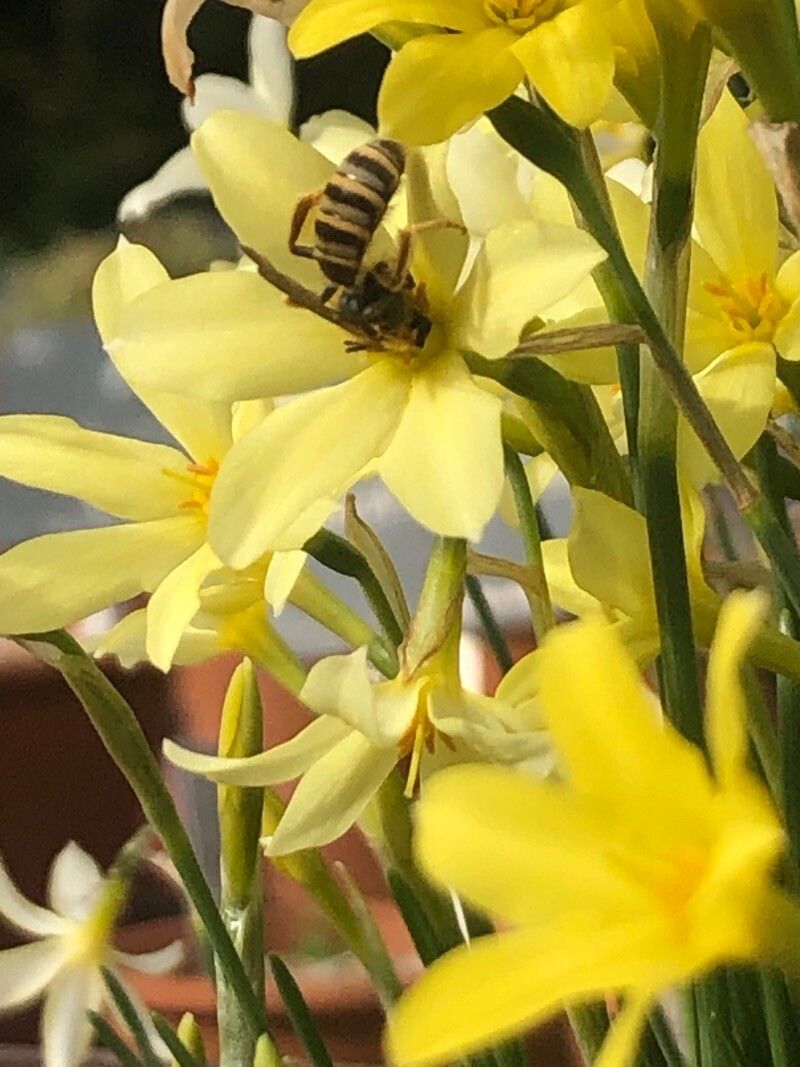
Narcissus × perezlarae, a captivating hybrid daffodil, delights gardeners with its unique charm. This cross between Narcissus papyraceus and Narcissus tazetta boasts elegant, nodding blooms, often featuring a creamy white perianth and a vibrant yellow corona. Its relatively late flowering period adds valuable late-season color to the spring garden, contributing to its popularity. However, propagating this beautiful hybrid presents unique challenges and rewards.
Seed Germination:
Currently, there are no known reliable methods for seed germination propagation of Narcissus × perezlarae. While daffodils in general can be propagated from seed, the hybrid nature of Narcissus × perezlarae and the often sterile nature of hybrid offspring makes seed germination an unreliable and unpredictable method. Even if seed is produced, seedlings may exhibit significant variation from the parent plant and may not inherit the desirable traits.
Cuttings:
Cuttings are not a viable method for propagating Narcissus × perezlarae. Daffodils do not propagate readily from stem or leaf cuttings.
Division:
Division is the most common and reliable method for propagating Narcissus × perezlarae. This involves separating the bulb clusters into individual bulbs or offsets after the foliage has died back.
Challenges: The main challenge lies in timing. Division should be undertaken during the dormant period, typically late summer or early autumn, after the foliage has completely yellowed and died back. Care should be taken to avoid damaging the bulbs during separation.
Practical Tips: Dig up the entire clump carefully. Gently separate the individual bulbs, ensuring each has healthy roots and a good portion of stem base. Plant the separated bulbs at the same depth as the original clump, approximately 3-4 inches deep, and about 4-6 inches apart.
Rewards: Division is efficient and effective, producing true-to-type plants, preserving the unique characteristics of Narcissus × perezlarae. It is a relatively straightforward method for increasing the number of plants in a garden setting.
Tissue Culture:
Tissue culture offers a potential, though complex, method for propagating Narcissus × perezlarae.
Challenges: This technique requires specialized equipment, a sterile laboratory environment, and a deep understanding of plant tissue culture protocols. The process is time-consuming, demanding significant skill and expertise. Contamination is a major risk.
Practical Tips: Successful tissue culture requires meticulously clean working conditions, sterile media, and precisely controlled environmental factors (temperature, humidity, light). Experienced horticulturalists or specialized laboratories are best equipped to undertake this method.
Rewards: Tissue culture allows for the rapid mass propagation of Narcissus × perezlarae, making it a viable option for commercial purposes or large-scale cultivation. It offers the potential for disease-free propagation.
Conclusion:
Propagating Narcissus × perezlarae presents a spectrum of challenges and rewards. While seed germination is unreliable, and cuttings are ineffective, division offers the most practical method for home gardeners. Tissue culture remains a sophisticated, albeit potentially rewarding, option for larger-scale propagation. The unique satisfaction of successfully cultivating this beautiful daffodil stems from overcoming these inherent difficulties, appreciating the patience and care required. For the avid gardener willing to invest the time and effort, the rewards of displaying these charming blooms year after year are immense. Start with the less complex method of division, and if you have the resources and inclination, explore the advanced world of tissue culture.