
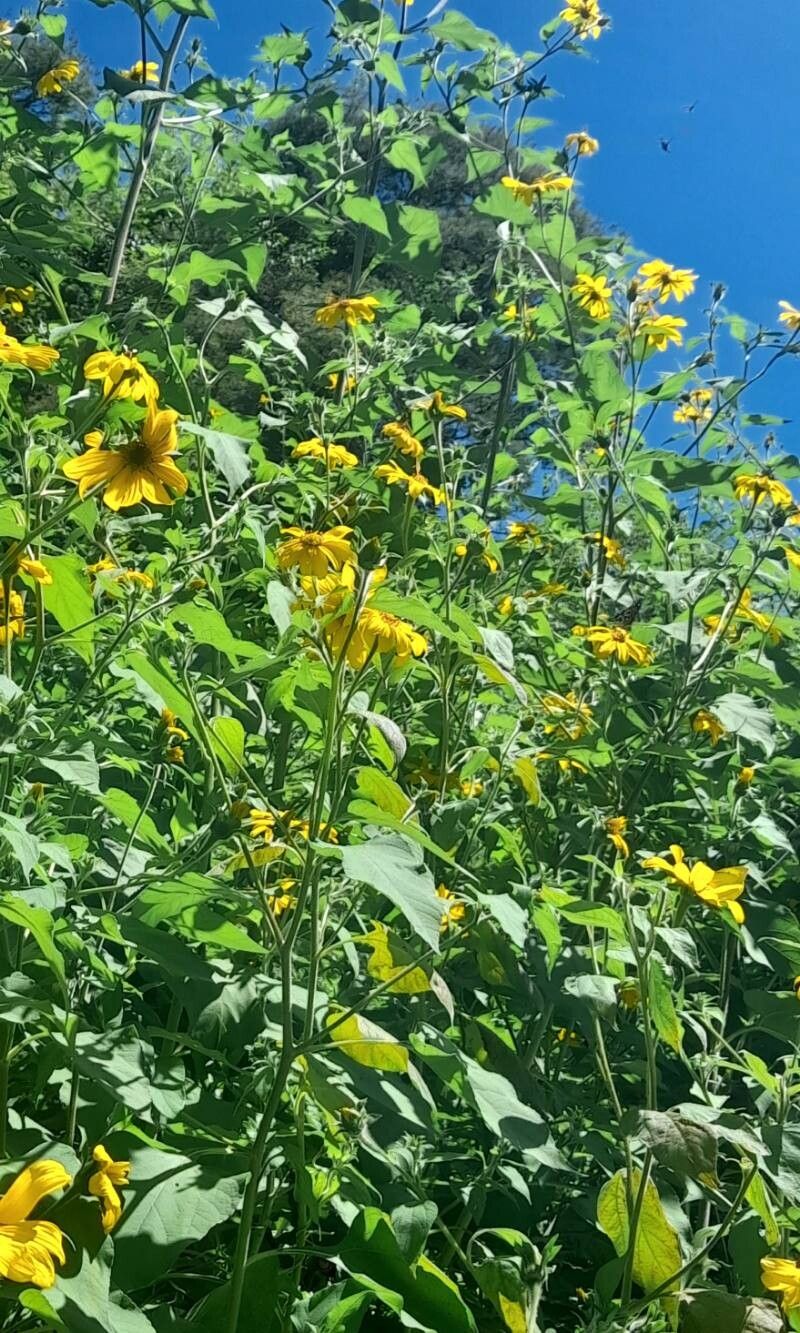
Propagating Mexican Sunflower (Tithonia tubaeformis): A Gardener’s Guide
Introduction
Tithonia tubaeformis, commonly known as Mexican sunflower, is a vibrant annual or short-lived perennial boasting bright orange or yellow daisy-like flowers. Its cheerful blooms and relatively low maintenance requirements have made it a popular choice among gardeners, particularly those seeking to attract pollinators like bees and butterflies. Its rapid growth and ease of propagation (via certain methods) add to its appeal. However, propagation can present unique challenges depending on the chosen method. This article explores various techniques for propagating Tithonia tubaeformis, outlining both the advantages and difficulties involved.
Seed Germination:
Seed germination is a viable method for propagating Tithonia tubaeformis. However, it presents some challenges. The seeds have a relatively short viability period, meaning they need to be sown fresh for optimal germination rates. Older seeds may have reduced germination success.
- Challenges: Short seed viability, potential for inconsistent germination rates.
- Practical Tips: Sow seeds directly outdoors in spring after the last frost, or start indoors 4-6 weeks before the last frost. Use a well-draining seed-starting mix and keep the soil consistently moist but not waterlogged. Germination typically occurs within 1-3 weeks at temperatures between 20-25°C (68-77°F). Thin seedlings to allow for proper spacing once they have a few true leaves.
- Rewards: High genetic diversity amongst offspring, suitable for large-scale propagation for landscaping projects or commercial purposes.
Cuttings:
Cuttings are a highly successful method for propagating Tithonia tubaeformis. This method offers faster results compared to seed germination and maintains the exact genetic characteristics of the parent plant.
- Challenges: Requires the availability of healthy, actively growing parent plants from which cuttings can be taken. The success rate can vary depending on the timing, technique, and environmental conditions.
- Practical Tips: Take stem cuttings of approximately 10-15 cm (4-6 inches) long, ensuring at least two nodes are included. Remove lower leaves to prevent rotting. Dip the cut ends in rooting hormone for enhanced results. Plant cuttings in a well-draining propagation mix, keeping it consistently moist but not soggy. Cover the cuttings with a plastic bag or humidity dome to maintain high humidity and promote rooting. Rooting usually takes 2-4 weeks.
- Rewards: Faster propagation than seed germination, preservation of desirable traits of the parent plant, high success rate if done correctly.
Division:
Division is not a practical method for propagating Tithonia tubaeformis. This plant isn’t typically characterized by clumping or the formation of readily separable crowns or rhizomes, making division an ineffective propagation route.
Tissue Culture:
Tissue culture propagation of Tithonia tubaeformis is possible but is generally not employed for home gardening. This method requires specialized equipment, sterile conditions, and a more advanced knowledge of plant propagation techniques.
- Challenges: Requires specialized equipment and expertise, costly, and not practical for home gardeners.
- Practical Tips: This method is best left to professionals in research or commercial plant propagation settings. Sterile techniques are crucial to prevent contamination.
- Rewards: Large-scale production of genetically uniform plants, disease-free stock, potential for rapid and efficient propagation.
Conclusion
Propagating Tithonia tubaeformis offers a rewarding experience, although the challenges vary across different methods. Seed germination is viable for larger-scale projects and showcasing genetic diversity, but it presents inconsistencies. Cuttings offer a quicker, reliable method ensuring clone-true plants. Division isn’t a suitable technique, and tissue culture is reserved for specialized settings. The unique satisfaction of cultivating this vibrant plant, from seed to bloom or from a successful cutting, outweighs the relative challenges involved. For most home gardeners, cuttings represent the most efficient and rewarding propagation method. Don’t be discouraged by minor setbacks – experimentation and learning from each attempt are key to mastering the art of propagating your own Mexican sunflowers.