
Propagating the Articulating Charm of Pilea Mollis: A Gardener’s Guide
Introduction:
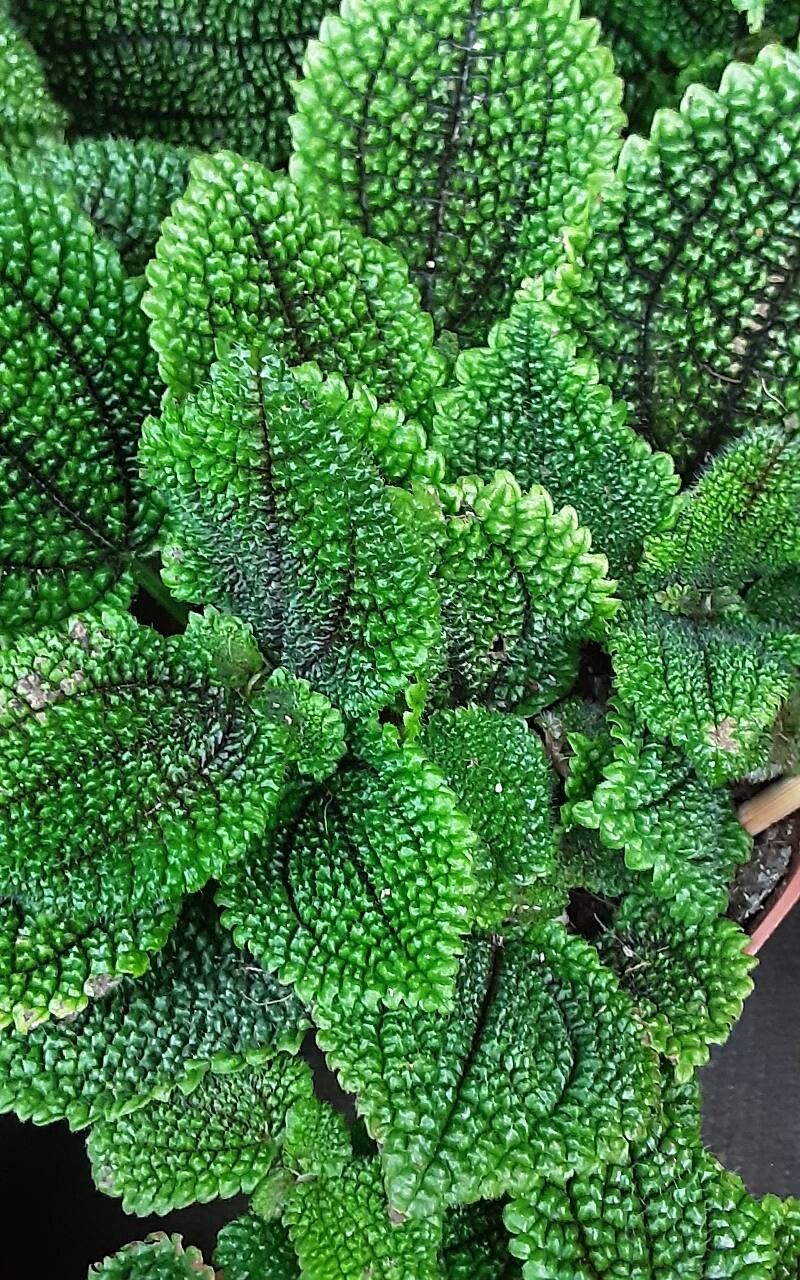
Pilea mollis, affectionately known as the “moon valley pilea” or “soft pilea,” is a captivating houseplant prized for its distinctively textured, rounded, and slightly cupped leaves. Its foliage, a delightful shade of light green often accented with silvery highlights, creates a striking contrast against its slender stems. The plant’s relatively compact size and relatively low-maintenance nature have propelled it to significant popularity among both novice and experienced gardeners. However, propagating Pilea mollis presents some unique challenges, rewarding those patient enough to master its intricacies. The plant’s popularity, coupled with the variability in success rates across different propagation methods, means understanding these methods is key to expanding your collection or sharing this delightful plant with others.
Seed Germination:
Currently, there are no known reliable methods for seed germination propagation of Pilea mollis. While Pilea species can produce seeds, achieving germination consistently from Pilea mollis seeds remains elusive for home growers and there’s limited documented success in scientific literature. The tiny seeds and the likely need for specific environmental conditions suggest this method is impractical for most hobbyists.
Cuttings:
Cuttings are the most commonly used and generally successful method for propagating Pilea mollis.
Challenges: The main challenge lies in achieving a high rooting success rate. Pilea mollis cuttings may be somewhat slow to root compared to some other plant species.
Practical Tips: Take stem cuttings of approximately 4-6 inches, ensuring each cutting includes 2-3 nodes. Remove lower leaves to prevent rot. Dip the cut ends in rooting hormone for best results. Propagation in moist, well-draining potting mix (a peat moss and perlite blend works well) is ideal. Keep the cuttings consistently moist but not soggy, and provide bright, indirect light. Using a propagation dome or covering with a plastic bag can help maintain humidity and increase success rates. Misting regularly can also be beneficial.
Rewards: Cuttings offer a relatively straightforward method of propagating Pilea mollis, ensuring genetic consistency with the mother plant. This allows you to easily increase your stock of this delightful plant.
Division:
Division is another viable method, especially when propagating from mature, well-established plants.
Challenges: The main challenge is carefully dividing the root ball without damaging the individual plants, which can be quite delicate.
Practical Tips: Gently remove the plant from its pot. Carefully separate the root ball into smaller sections, ensuring each section includes healthy roots and several stems. Replant each division in its own pot using well-draining potting mix. Keep the newly divided plants moist and provide bright, indirect light.
Tissue Culture:
Tissue culture offers a potential route for large-scale propagation of Pilea mollis, but it’s a specialized technique.
Challenges: Tissue culture requires sterile laboratory conditions, specialized equipment, and a high level of technical expertise. It is not a practical method for home propagation.
Practical Tips: This method is best left to commercial nurseries or dedicated laboratories with the necessary expertise and infrastructure.
Rewards: Tissue culture offers the opportunity for mass production of genetically identical plants, valuable for commercial propagation or conservation efforts.
Conclusion:
Propagating Pilea mollis presents varying levels of challenge depending on the chosen method; seed germination is currently not considered viable. Cuttings provide a relatively accessible and reliable approach, while division is appropriate for established plants. Tissue culture is a highly specialized method best left to professionals. Despite the challenges, the rewards of successfully propagating this charming plant are immense. The satisfaction derived from nurturing a tiny cutting into a thriving plant, or carefully dividing a mature clump, is a testament to the gardener’s patience and care. The unique texture and delicate beauty of Pilea mollis make the effort entirely worthwhile. For aspiring propagators, patience, attention to detail, and consistent care are key to unlocking the joy of cultivating this delightful plant. Don’t be discouraged by setbacks – each attempt brings invaluable experience, potentially leading to the fulfilling reward of successfully propagating Pilea mollis and sharing its beauty with others.