
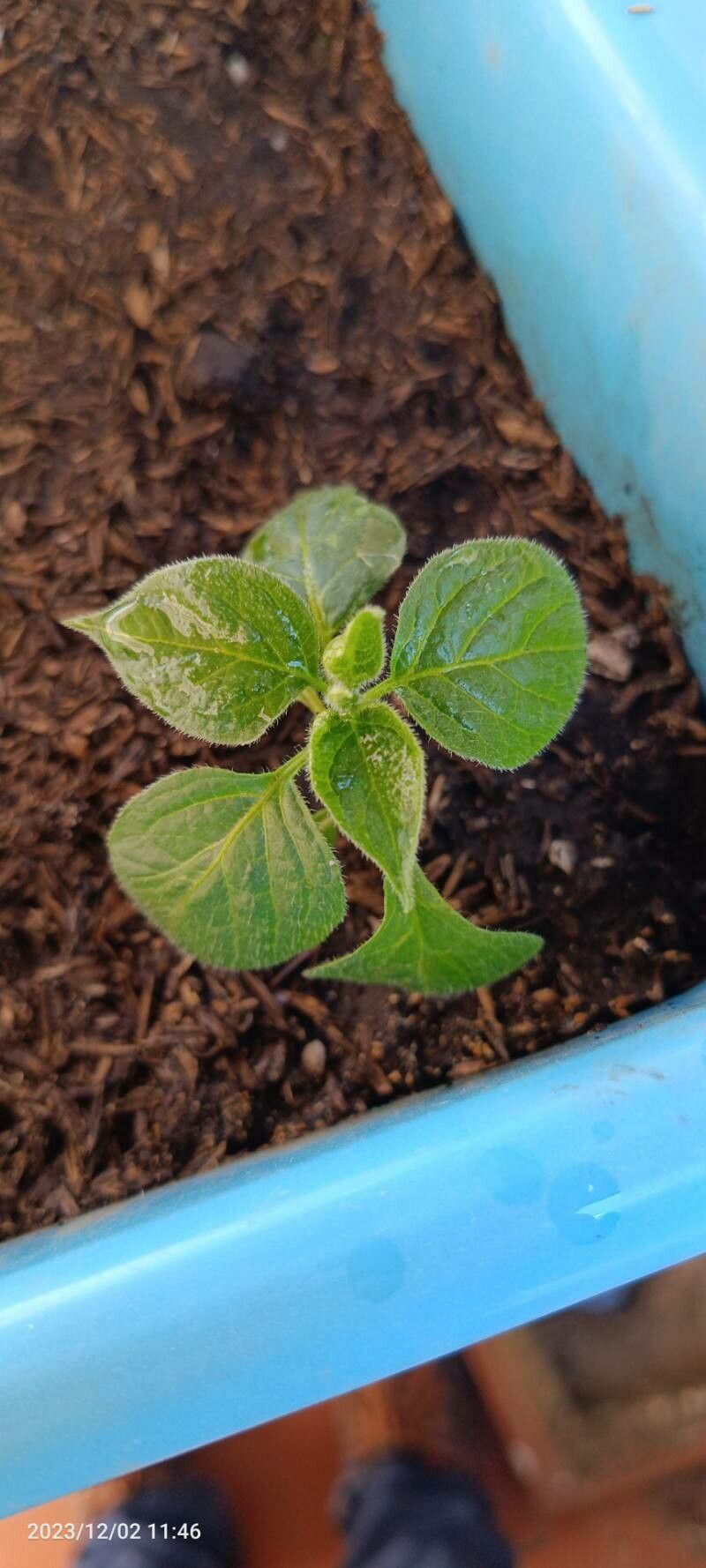
Propagating the Rocoto: A Guide to Capsicum pubescens Cultivation
Introduction:
Capsicum pubescens, commonly known as rocoto, is a fascinating species of chili pepper prized for its intensely fruity and often spicy flavor, along with its large, attractive fruits. Unlike its Capsicum annuum cousins, rocotos possess a unique characteristic: they develop a dark purple or almost black coloration when mature. This, coupled with their often-large fruit size and striking appearance, makes them a highly sought-after addition to any gardener’s collection. However, their propagation presents unique challenges not found with other chili peppers, rendering them less commonly cultivated despite their appeal. This article will explore the various methods of propagation available for Capsicum pubescens and offer guidance for successful cultivation.
Seed Germination:
Seed germination is a viable method for propagating Capsicum pubescens, though it presents challenges. Rocoto seeds can have notoriously low germination rates and often require specific conditions.
Challenges: Seeds may have a hard seed coat, delaying germination. Furthermore, the ideal germination temperatures are quite specific (around 25-30°C/77-86°F). Inconsistent temperatures and moisture levels can significantly hinder success.
Practical Tips: Scarification (nicking the seed coat) can improve germination rates. Sowing seeds in a well-draining seed-starting mix and maintaining consistent warmth and humidity (using a propagator with bottom heat is highly recommended) are crucial. Additionally, ensuring good light exposure after germination is vital for seedling development.
Rewards: Successfully germinating rocoto seeds offers a chance to obtain genetically diverse plants, leading to a wider array of fruit characteristics and potential for selecting desirable traits. Seed germination also allows for large-scale propagation, particularly beneficial for growers interested in producing many plants.
Cuttings:
Cuttings are a viable propagation method for Capsicum pubescens.
Challenges: Rocoto cuttings can be slower to root compared to other Capsicum species. Maintaining consistently high humidity and warmth, along with the use of rooting hormone, is critical for success.
Practical Tips: Use semi-hardwood cuttings (taken from new growth that’s slightly firm and not entirely soft). Dip the cut ends in a rooting hormone before planting in a well-draining mix. Cover the cuttings with a clear plastic bag or dome to maintain high humidity and warmth. Regular misting may be needed to maintain moisture. Ensure adequate indirect light.
Rewards: Cuttings offer a faster way to propagate desirable plant characteristics than seed propagation, ensuring you retain the exact traits of the mother plant. It’s a more efficient method for smaller scale reproduction.
Division:
Division is generally not a practical method for propagating Capsicum pubescens. Rocoto plants typically have a single main stem and aren’t easily divided into separate, viable plants.
Tissue Culture:
Tissue culture is a viable but specialized method for Capsicum pubescens propagation.
Challenges: This method requires specialized equipment, a sterile environment, and expertise in plant tissue culture techniques. It is not a method easily accessible to home gardeners.
Practical Tips: Sterile conditions and precise nutrient media formulation are paramount in ensuring the successful establishment of plantlets. Appropriate plant growth regulators (phytohormones) will need to be utilized.
Rewards: Tissue culture allows for large-scale propagation of disease-free plants and offers opportunities for genetic manipulation and improvement.
Conclusion:
Propagating Capsicum pubescens presents a unique set of challenges, particularly when compared to other chili peppers. While seed germination provides genetic diversity, the low germination rates and the need for specific conditions can be frustrating. Cuttings are a more reliable, albeit slower, method for preserving desirable plant characteristics. Division is impractical, while tissue culture remains a highly specialized technique. Yet, the rewards of successfully cultivating this striking pepper, with its beautiful flowers and intensely flavorful fruit, are well worth the effort. The unique satisfaction of nurturing a rocoto plant from seed or cutting, overcoming its idiosyncrasies, provides a profound connection to the plant and its rich history. For aspiring propagators, patience, attention to detail, and a willingness to experiment are key to success, paving the way to enjoy harvests of delicious, uniquely colored rocoto peppers.