
Propagating Phyllanthus emblica: The Amla Tree’s Reproductive Journey
Introduction
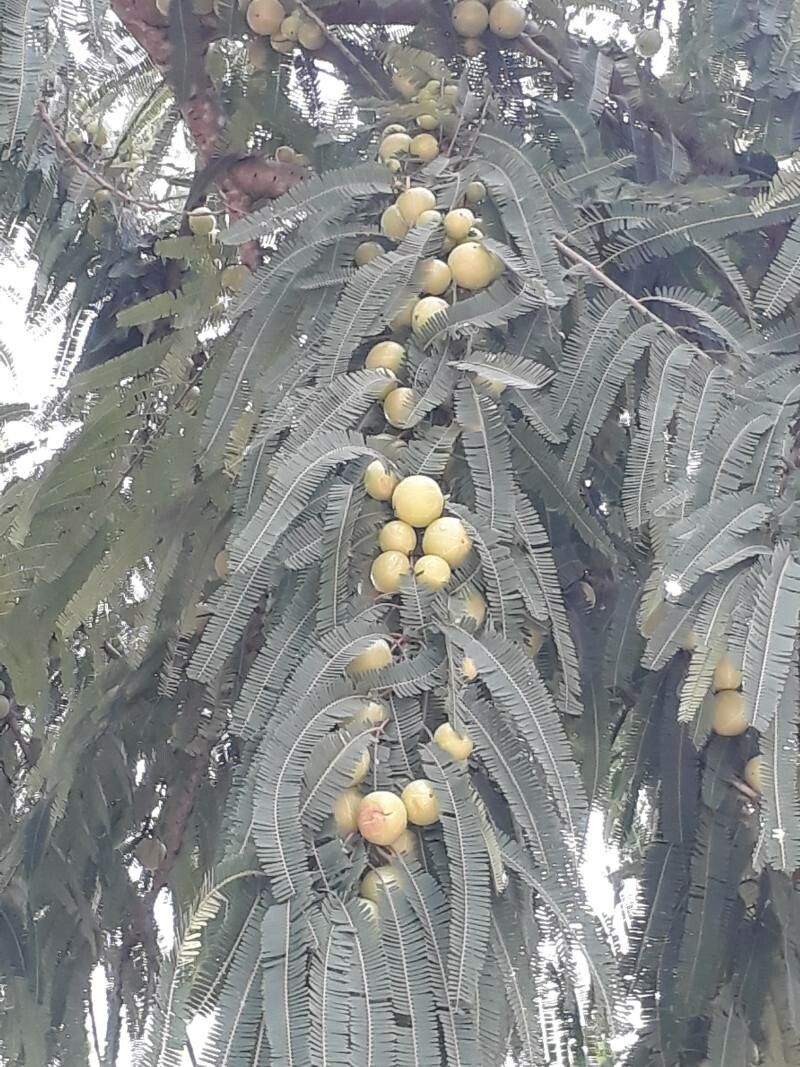
Phyllanthus emblica, commonly known as Amla, Indian gooseberry, or Emblic myrobalan, is a small deciduous tree prized for its nutrient-rich fruits and extensive medicinal uses in Ayurveda. Its distinctive, small, obovate leaves arranged in a unique feather-like pattern add to its horticultural appeal. While not overly demanding, propagating Amla can present some challenges, making successful cultivation a rewarding experience for dedicated gardeners. This plant’s popularity is partly driven by the medicinal value of its fruits but also by its relatively low maintenance needs once established. The unique reproductive biology of Amla, however, makes propagation less straightforward than some other fruit trees.
Seed Germination:
Currently, there are no known reliable methods for seed germination propagation of Phyllanthus emblica. While seeds are produced, their germination rate is notoriously low, often hampered by dormancy and susceptibility to fungal infections. Several attempts at scarification and various stratification techniques have yielded limited success, highlighting the significant challenges associated with this propagation method.
Cuttings:
Cuttings represent a more viable propagation method for Phyllanthus emblica than seed germination.
Challenges: Rooting success depends heavily on factors like the timing (preferably during the monsoon season or in a humid environment), the type of cutting (semi-hardwood cuttings are generally preferred), and the use of rooting hormones. Fungal diseases can also affect the cuttings’ survival rate.
Practical Tips: Take semi-hardwood cuttings approximately 10-15 cm long from healthy, actively growing branches. Dip the cut ends in a rooting hormone solution before planting them in a well-draining potting mix (e.g., a peat and perlite mix). Maintain high humidity (using a humidity dome or misting regularly) and moderate temperature. A bottom heat propagation mat can be beneficial.
Rewards: Cuttings provide a faster way to obtain genetically identical plants to the mother plant, ensuring consistent fruit quality and characteristics. This method is suitable for small-scale propagation and for maintaining desirable cultivars.
Division:
Division is generally not a practical method for propagating Phyllanthus emblica. The tree’s root system is not easily divided, and attempting to do so often results in stress and mortality for both the parent plant and the separated portions.
Tissue Culture:
Tissue culture offers a potentially promising, albeit complex and specialized, approach to propagating Amla.
Challenges: Establishing aseptic conditions and selecting appropriate growth media and hormonal regimens are crucial for successful tissue culture. The process requires specialized equipment, expertise, and a sterile laboratory environment. The cost can be high.
Practical Tips: This method is best left to experienced tissue culture labs. Researchers have successfully employed this technique to produce numerous seedlings from a single plant.
Rewards: Tissue culture enables the rapid multiplication of genetically identical plants, allowing for large-scale propagation of superior cultivars and disease-resistant varieties. It also offers opportunities for genetic improvement using biotechnology.
Conclusion:
Propagating Phyllanthus emblica presents significant challenges across all methods. While seed germination remains unreliable, cuttings offer a more achievable, albeit less efficient, approach for the home gardener. Tissue culture provides the best potential for large-scale propagation but requires significant technical expertise and investment.
Ultimately, successfully cultivating Amla from a cutting, despite the difficulties, brings a special sense of accomplishment. The fruit’s nutritional and medicinal value combined with the unique challenges and rewards associated with its propagation make it a truly rewarding plant for the passionate and patient gardener. Don’t be discouraged by setbacks; experiment with different techniques and embrace the learning process—you will be richly rewarded with the fruits of your labor (literally!).