
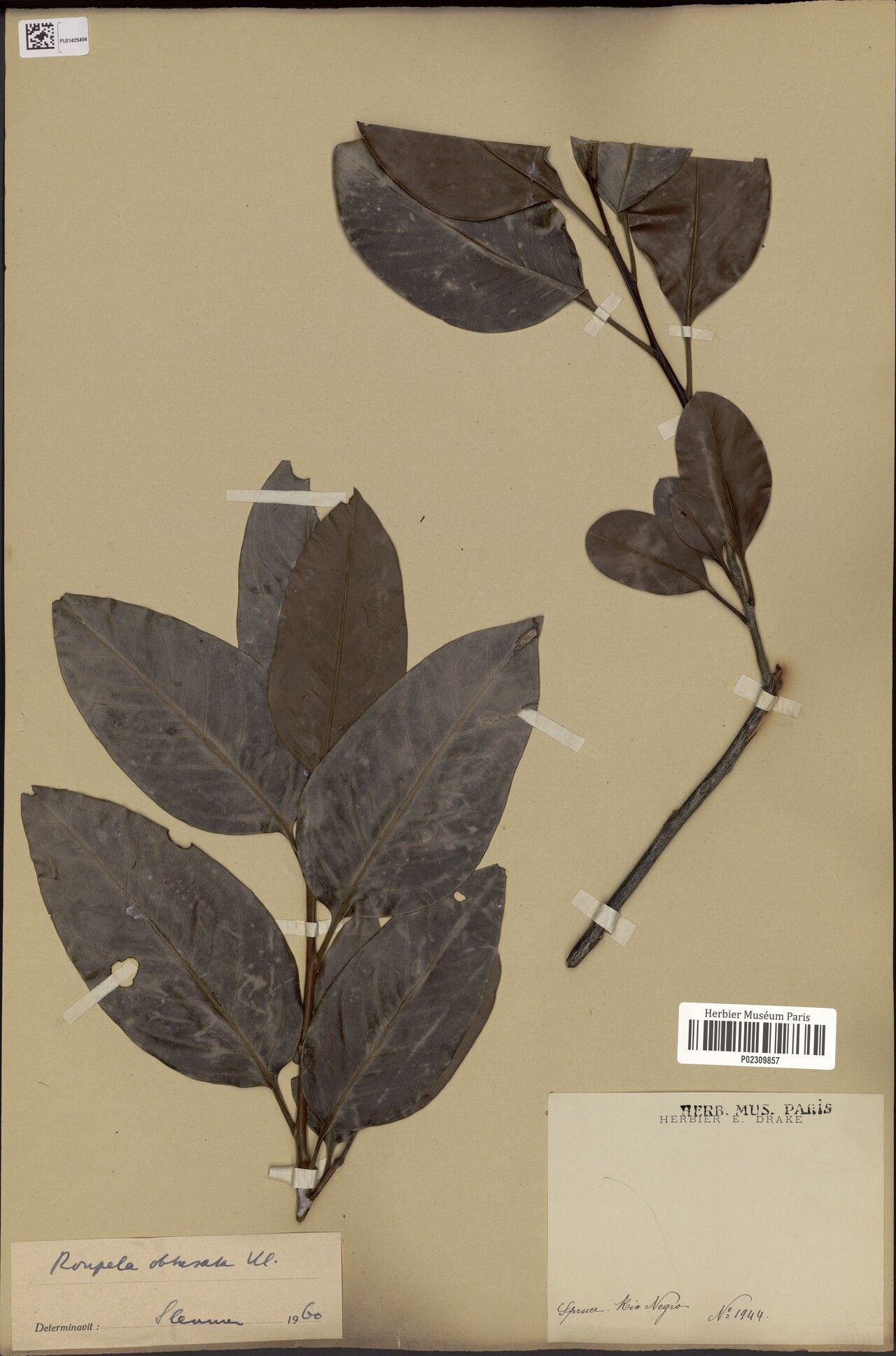
Propagating Roupala obtusata: A Gardener’s Guide to the Blunt-Leaved Roupala
Roupala obtusata, also known as the Blunt-leaved Roupala, is a captivating evergreen tree prized for its glossy, dark green leaves and attractive, albeit inconspicuous, flowers that give way to interesting fruiting structures. Native to Brazil, it’s gaining popularity among gardeners seeking unique and visually appealing additions to their landscapes, particularly those appreciating a tropical or subtropical aesthetic. Its relatively slow growth rate, however, makes propagation a key consideration for those wanting to establish this beautiful specimen. The unique challenges associated with its propagation also lend a certain satisfaction to successful cultivation.
Seed Germination:
Currently, there are no known reliable methods for seed germination propagation of Roupala obtusata. While seeds may be produced, germination rates are reportedly extremely low, if at all successful, under most conditions. Further research is needed to establish viable seed germination protocols for this species.
Cuttings:
Cuttings offer a more promising approach to propagating Roupala obtusata. However, challenges remain. The success rate is highly dependent on several factors:
Challenges: Roupala obtusata cuttings can be slow to root, requiring careful attention to moisture and humidity levels to prevent desiccation. The use of rooting hormone is highly recommended. The type of cutting (softwood, semi-hardwood, hardwood) also influences success, with semi-hardwood cuttings potentially yielding the best results.
Practical Tips: Take semi-hardwood cuttings in late spring or early summer from actively growing stems. Use a sharp, clean blade to avoid damaging tissues. Remove lower leaves to prevent rot and apply a rooting hormone powder before planting in a well-draining substrate mix, such as perlite and peat moss. Maintain high humidity using a propagator or humidity dome. Mist regularly and provide bottom heat if possible to encourage root development. Patience is key; rooting can take several weeks or even months.
Rewards: Successful propagation via cuttings offers a reliable method to produce genetically identical plants, retaining the desirable traits of the parent plant.
Division:
Division is not a practical propagation method for Roupala obtusata due to its tree-like form and deep root system. Mature plants are not easily divided without causing significant damage.
Tissue Culture:
Tissue culture offers a potential avenue for large-scale propagation of Roupala obtusata, bypassing the challenges of seed germination and cuttings.
Challenges: Establishing a reliable tissue culture protocol for Roupala obtusata requires specialized knowledge and equipment. Finding the optimal media composition, growth regulators, and sterilization techniques are crucial to success. This method is generally expensive and requires highly controlled laboratory conditions.
Practical Tips: Consult with a tissue culture laboratory experienced in propagating woody species. They can provide guidance on the specific requirements for Roupala obtusata.
Rewards: Tissue culture allows for rapid multiplication of desirable plants and the potential to produce disease-free stock, offering a significant advantage for commercial propagation or large-scale conservation efforts.
Conclusion:
Propagating Roupala obtusata presents unique challenges, with cuttings currently representing the most accessible, albeit still demanding, method for the home gardener. Seed propagation is currently unreliable, and division is impractical. Tissue culture offers the potential for large-scale propagation but requires specialized expertise and resources. The rewards, however, are considerable: the successful cultivation of this beautiful and unique tree brings a profound sense of achievement, especially considering the dedication and patience required. Aspiring propagators should embrace the learning curve, acknowledging that setbacks are part of the process. Through careful observation, experimentation, and persistence, the satisfaction of cultivating Roupala obtusata will undoubtedly outweigh the difficulties involved.