
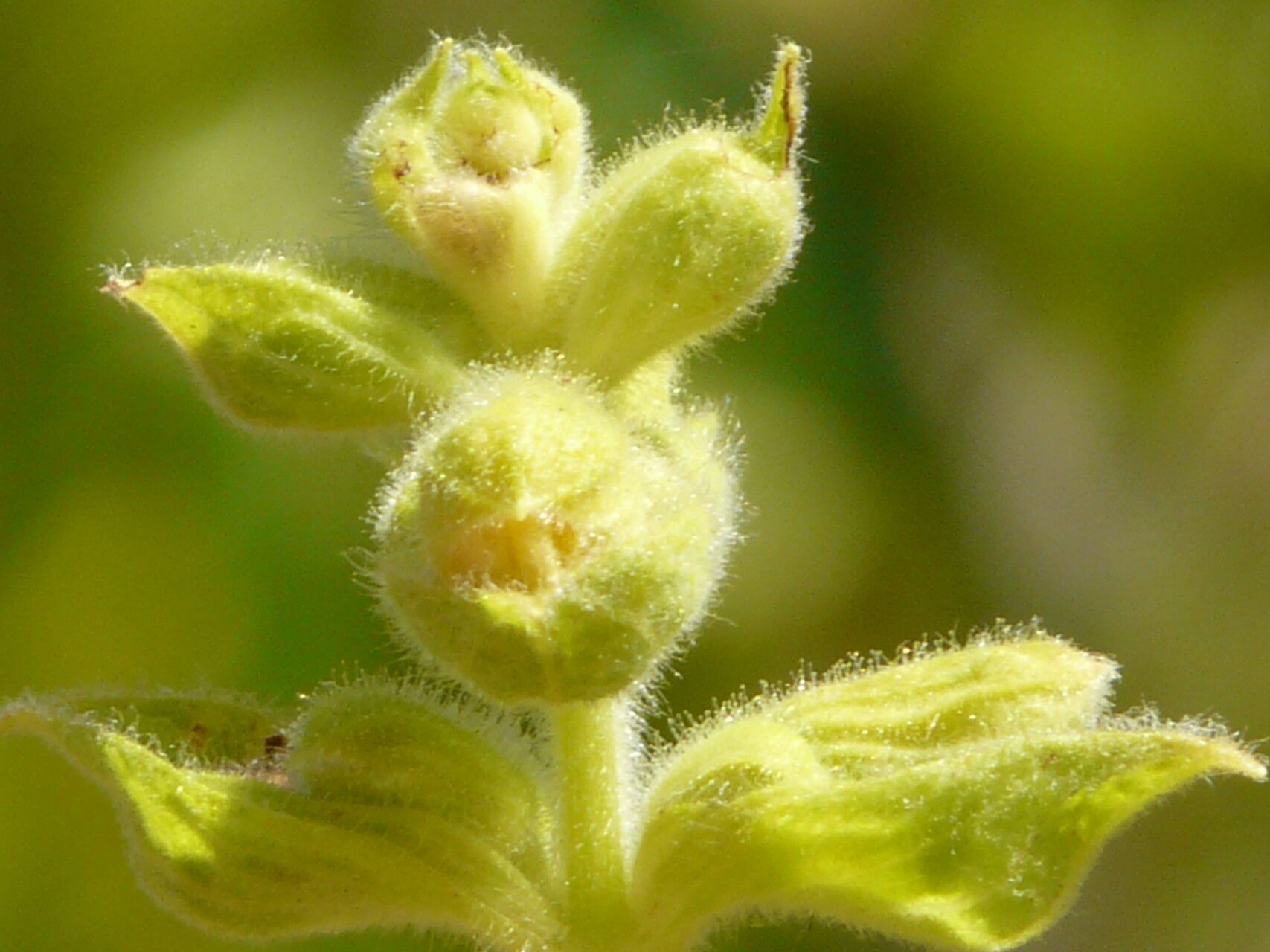
Propagating Salvia campanulata: A Gardener’s Guide to the Bellflower Sage
Salvia campanulata, commonly known as the Bellflower Sage, is a striking perennial boasting vibrant, bell-shaped flowers in shades of purple, blue, or pink. Its graceful form and relatively long blooming period make it a highly sought-after addition to many gardens. The ease with which it attracts pollinators further enhances its horticultural significance. However, its propagation presents unique challenges and rewards, making it a fascinating subject for the dedicated gardener.
Seed Germination:
Currently, there are no known reliable methods for seed germination propagation of Salvia campanulata. While some Salvia species readily propagate from seed, Salvia campanulata appears to be recalcitrant to this method. Seed production may be inconsistent, and even when seeds are obtained, their germination rates are reported to be extremely low. Further research into optimal germination conditions may be necessary to unlock this potential propagation technique.
Cuttings:
Cuttings offer a reliable method for propagating Salvia campanulata.
Challenges: The success rate depends heavily on timing and technique. Taking cuttings from healthy, actively growing shoots is crucial. Overly woody stems will root poorly.
Practical Tips: Take semi-hardwood cuttings (partially mature stems) in late spring or early summer. Remove lower leaves and dip the cut end in rooting hormone before planting in a well-draining, moist mix such as perlite and peat moss. Keep the cuttings consistently humid using a propagation dome or plastic bag. Bottom heat will improve root development.
Rewards: Cuttings provide a quicker path to new plants compared to other methods and reliably replicate the parent plant’s characteristics. It is a particularly effective technique for preserving desirable cultivars.
Division:
Division is another successful propagation method for Salvia campanulata.
Challenges: This method is most effective when the plant is established and reasonably large. Dividing too early or too aggressively can damage the plant, hindering its growth and flowering.
Practical Tips: Divide the plant in early spring or autumn when it’s dormant. Carefully lift the entire root ball, and use a sharp, clean tool to separate it into sections, each with its own roots and shoots. Replant the divisions immediately, ensuring good soil contact.
Rewards: This relatively straightforward method allows for increasing the number of plants while minimizing the stress compared to taking cuttings. It can produce several new plants from a single mature specimen.
Tissue Culture:
Tissue culture presents a potential, albeit advanced, method for Salvia campanulata propagation.
Challenges: This technique requires specialized equipment, a sterile environment, and a considerable understanding of plant tissue culture protocols. Finding the optimal medium and growth hormones can require experimentation.
Practical Tips: Tissue culture necessitates sterile techniques and specialized media. Successful propagation relies on expertise in this area. This method is generally employed in labs and nurseries with dedicated facilities.
Rewards: Tissue culture offers the potential for mass propagation, producing a large number of genetically identical plants in a short time. This method is especially valuable for preserving rare or endangered cultivars.
Conclusion:
Propagating Salvia campanulata presents unique challenges across all methods explored. Seed propagation remains largely unexplored, while cuttings and division offer practical, albeit not always guaranteed, routes to success. Tissue culture, while offering high-volume propagation, remains a less accessible option for the average gardener. The potential rewards, however—whether it’s the genetic diversity potentially offered by successfully germinating seeds or the sheer satisfaction of nursing a cutting to maturity or successfully dividing a mature plant—offset the challenges for many dedicated plant enthusiasts. The journey of propagating this beautiful sage is a testament to the patience and skill required in the art of horticulture, and the ultimate reward of successfully cultivating this striking plant is a significant accomplishment in itself. Keep experimenting, and the beauty of your own propagated Bellflower Sage will be well worth the effort.