
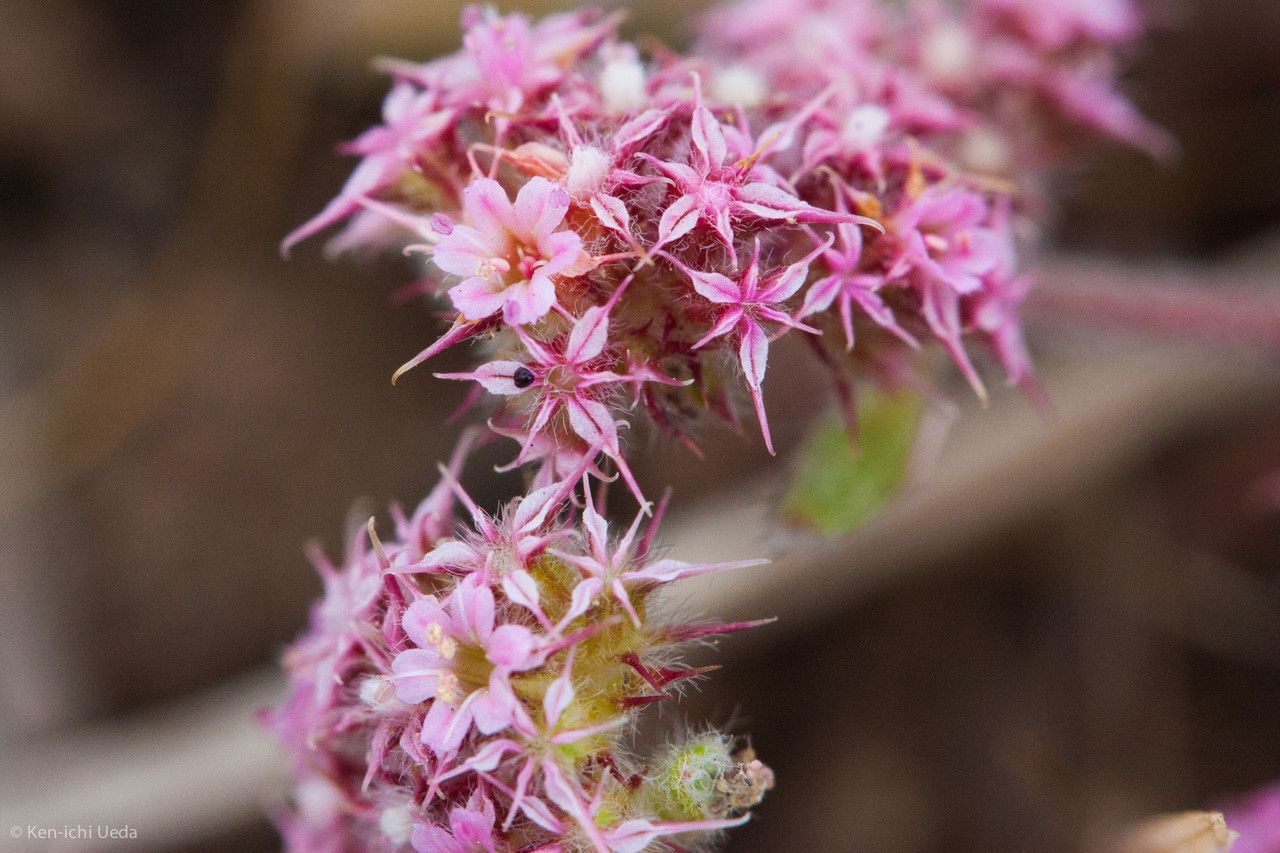
Propagating the Narrowleaf Spineflower (Chorizanthe angustifolia): A Gardener’s Guide
Introduction:
Chorizanthe angustifolia, commonly known as the Narrowleaf Spineflower, is a captivating native Californian wildflower prized for its delicate, spiny inflorescences and adaptability to dry, rocky conditions. Its understated beauty and resilience make it a sought-after addition to drought-tolerant gardens and native plant restoration projects. However, propagating this charming plant presents unique challenges. Its relatively low seed production and specific environmental needs make successful propagation a rewarding but often difficult endeavor. This article explores various propagation methods to guide aspiring gardeners in cultivating this unique species.
Seed Germination:
Seed germination for Chorizanthe angustifolia is possible but notoriously challenging. Seed dormancy is often a significant hurdle. While specific studies on germination requirements for this species are limited, research suggests that some species within the Chorizanthe genus benefit from stratification—a period of cold, moist treatment.
Challenges: Low germination rates, potential for fungal diseases in moist conditions, dormancy breaking.
Practical Tips: Collect seeds only from mature, dry inflorescences. Try stratification by mixing seeds with moist vermiculite or peat moss and storing them in a refrigerator (around 4°C) for 6-8 weeks before sowing. Sow seeds thinly on well-draining seed-starting mix. Maintain consistent moisture but avoid overwatering. Provide ample sunlight.
Rewards: Genetic diversity, potential for large-scale propagation for restoration projects, the satisfaction of coaxing life from recalcitrant seeds.
Cuttings:
Currently, there are no known reliable methods for propagation of Chorizanthe angustifolia via cuttings. This species’ physiology likely limits its ability to root from stem or leaf cuttings. Further research into hormone treatments and specialized rooting techniques may be needed to explore this possibility.
Division:
Division is also not a practical propagation method for Chorizanthe angustifolia. This plant often forms small, solitary rosettes, limiting the possibility of dividing it into viable sections. Attempts at division are likely to result in damage to the plant and decreased survival rates.
Tissue Culture:
Tissue culture techniques represent a potentially viable yet highly specialized avenue for Chorizanthe angustifolia propagation.
Challenges: Requires specialized equipment, technical expertise, and sterile conditions. Establishment of a reliable protocol for this species would necessitate significant research and experimentation.
Practical Tips: This method is not recommended for home gardeners without extensive laboratory experience in plant tissue culture.
Rewards: Potential for mass propagation of genetically identical plants, overcoming challenges associated with seed germination.
Conclusion:
Propagating Chorizanthe angustifolia presents significant challenges, with seed germination representing the most feasible approach, albeit with a low success rate. Cuttings and division are currently impractical, and tissue culture requires specialized expertise. However, the unique beauty and resilience of this species make the effort worthwhile. The satisfaction derived from successfully germinating seeds or mastering tissue culture techniques—even on a small scale—is immeasurable. For aspiring propagators, patience, meticulous attention to detail, and a willingness to experiment are crucial. While the journey might be arduous, the reward of successfully growing this remarkable plant is well worth the effort. Persistence is key; record your results, adapt your techniques, and enjoy the process of learning about this fascinating species.