
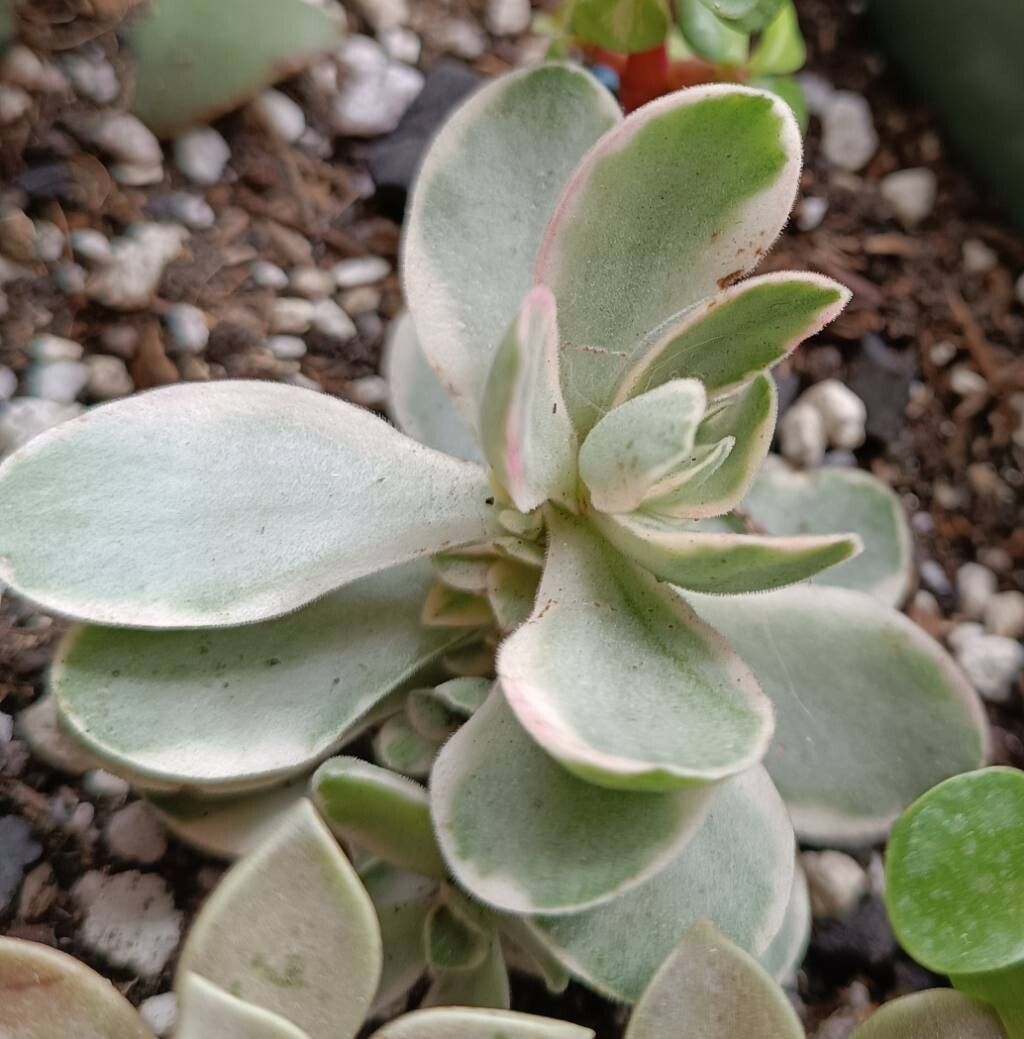
Propagating Crassula globularioides: A Gardener’s Guide to the “Baby’s Necklace”
Crassula globularioides, commonly known as Baby’s Necklace, is a charming succulent prized for its tiny, pea-sized, rounded leaves that cascade down delicate stems. Its trailing habit makes it ideal for hanging baskets, rock gardens, or as a spill-over plant in containers. Its popularity among succulent enthusiasts stems from its relatively easy care requirements alongside its undeniable aesthetic appeal. However, propagating this delightful succulent presents unique challenges and rewards, which we will explore in detail.
Seed Germination:
Currently, there are no known reliable methods for seed germination propagation of Crassula globularioides. While the plant does produce seeds, their germination rate is exceptionally low, and successful propagation through this method is largely undocumented. The tiny seeds are easily lost, and require extremely specific, yet often inconsistently replicated, conditions for successful sprouting. Further research is needed to determine optimal germination techniques for this species.
Cuttings:
Cuttings are the most reliable and commonly used method for propagating Crassula globularioides.
Challenges: While relatively straightforward, using cuttings requires careful attention to detail to prevent rot. Overwatering is the biggest threat, leading to fungal infections and the loss of the cutting.
Practical Tips: Take stem cuttings of approximately 4-6 cm in length, allowing the cut end to callous over for a few days before planting. Plant in well-draining succulent potting mix, ensuring minimal contact with the soil to prevent rot. Water sparingly, only when the soil is completely dry. Providing bright, indirect light will promote rooting.
Rewards: Cuttings offer a relatively quick and simple method of propagation, allowing for a rapid increase in the number of plants. This method is consistent and readily replicated by home gardeners.
Division:
Division is a viable method, particularly for mature, established plants.
Challenges: Dividing the plant requires careful handling to avoid damaging the delicate stems and roots. Over-division can stress the parent plant and hinder its recovery.
Practical Tips: Divide the plant gently, ensuring each division has a healthy root system and sufficient stems. Replant the divisions in fresh, well-draining soil, and water sparingly until established.
Rewards: This is a non-destructive method and can lead to a rapid increase in plant numbers when executed correctly.
Tissue Culture:
Tissue culture propagation for Crassula globularioides is possible, but is generally reserved for large-scale commercial propagation.
Challenges: This method requires specialized equipment, a sterile environment, and a high level of expertise. It is not typically feasible for the average home gardener.
Practical Tips: This method is best left to professionals with access to laboratories and the necessary equipment and expertise.
Rewards: Tissue culture offers the potential for mass production of genetically identical plants, ensuring uniformity and high propagation rates.
Conclusion:
Propagating Crassula globularioides presents both challenges and rewards. While seed propagation is largely unsuccessful currently, cuttings and division offer reliable methods for the home gardener achieving success. While tissue culture shows high rates, its accessibility is limited. The rewards—a flourishing collection of these charming succulents—are truly satisfying, especially when considering the dedication and careful attention required to successfully propagate this plant. For aspiring propagators, patience, careful attention to watering, and well-draining soil are key to success. Don’t be discouraged by setbacks; the joy of nurturing a tiny cutting into a thriving Baby’s Necklace is a rewarding experience for any succulent enthusiast.