
Propagating Miconia allenii: A Gardener’s Challenge
Introduction
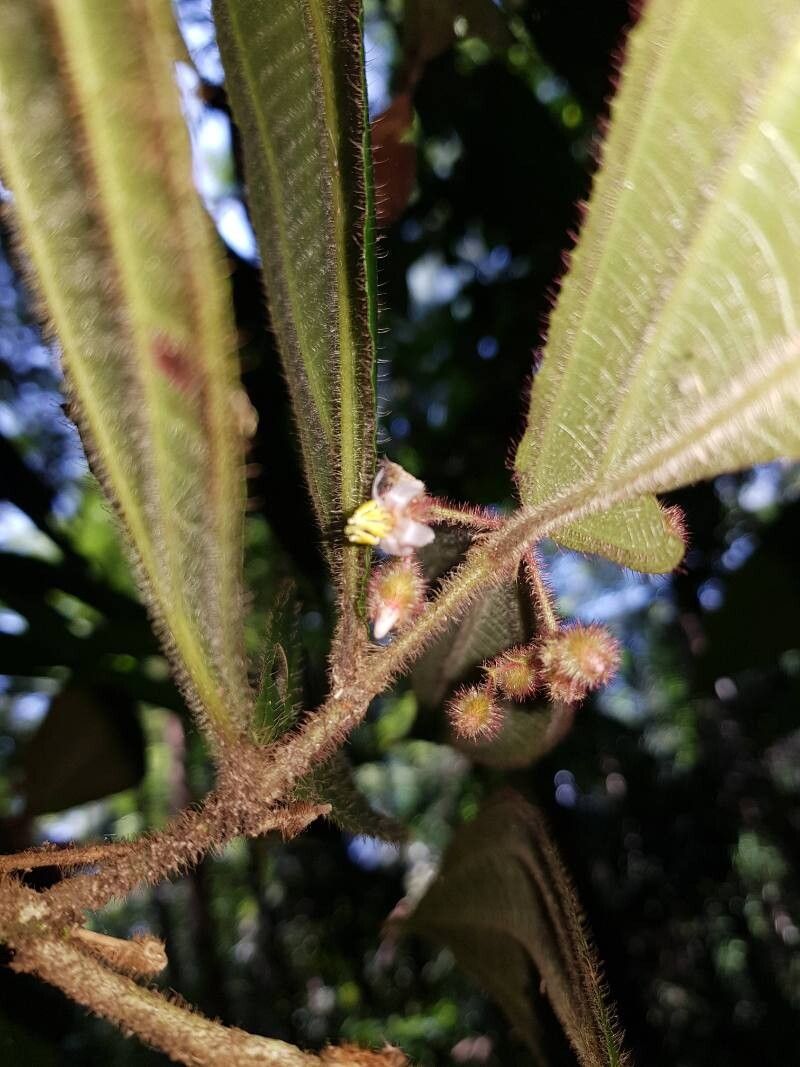
Miconia allenii, also known as the Velvet Tree or Allen’s Miconia, is a captivating shrub prized for its striking velvety leaves and attractive, often pink, flowers. Its beauty and relative rarity contribute to its growing popularity among plant enthusiasts. However, propagating this species presents unique challenges, making successful cultivation a rewarding endeavor for the dedicated gardener. Unlike some more common plants, Miconia allenii propagation isn’t straightforward, requiring careful consideration of various techniques.
Seed Germination
Currently, there are no known reliable methods for seed germination propagation of Miconia allenii. While seed production may occur in optimal conditions, germination rates have proven extremely low, even under controlled environments. Further research is needed to determine if specific pre-treatment methods (such as stratification or scarification) might improve success rates.
Cuttings
Cuttings represent a more promising avenue for propagating Miconia allenii.
Challenges: The primary challenge lies in rooting hormone and environmental control. Miconia allenii cuttings are susceptible to rot if not provided with ideal moisture and humidity levels. Furthermore, the success rate is influenced by the timing of the cuttings (ideally taken from actively growing shoots) and the quality of the rooting medium (a well-draining mix enriched with perlite or vermiculite is often recommended).
Practical Tips: Take semi-hardwood cuttings (about 4-6 inches long) from healthy stems in the spring or early summer. Dip the cut ends in rooting hormone and plant them in a sterile, well-draining propagation mix. Cover the cuttings with a humidity dome or plastic bag to maintain high humidity. Provide bright, indirect light and consistently moist (but not waterlogged) conditions. Bottom heat can be beneficial to stimulate root development.
Rewards: Successful propagation from cuttings offers a relatively quick method for multiplying existing plants, preserving desirable characteristics of the mother plant.
Division
Division is not a practical propagation method for Miconia allenii. The plant does not naturally form readily separable clumps or offsets.
Tissue Culture
Tissue culture offers the potential for large-scale propagation of Miconia allenii and overcoming some of the limitations associated with other methods.
Challenges: Establishing sterile cultures and identifying the optimal plant growth regulators for shoot proliferation and root induction can be technically demanding and require specialized equipment and expertise. This method is generally not feasible for home gardeners.
Practical Tips: This method requires a laboratory setting with sterile conditions, specific nutrient media, and expertise in plant tissue culture techniques.
Rewards: High propagation rates and the production of disease-free plants are major advantages of tissue culture. This method is ideal for conservation efforts and large-scale commercial propagation.
Conclusion
Propagating Miconia allenii presents a considerable challenge, with seed germination proving unreliable at present. Cuttings offer a more feasible approach for the dedicated hobbyist, while tissue culture is best suited to laboratories and commercial operations. Success in any method hinges upon meticulous attention to detail regarding environmental conditions, rooting substrates, and hygiene.
The unique satisfaction inherent in successfully cultivating this beautiful shrub stems directly from overcoming these challenges. The perseverance required and the eventual reward of seeing a small cutting transform into a thriving plant make the experience exceptionally gratifying. For aspiring propagators, we encourage patience, experimentation, and a willingness to learn from both successes and setbacks. The beauty of Miconia allenii is well worth the effort.