
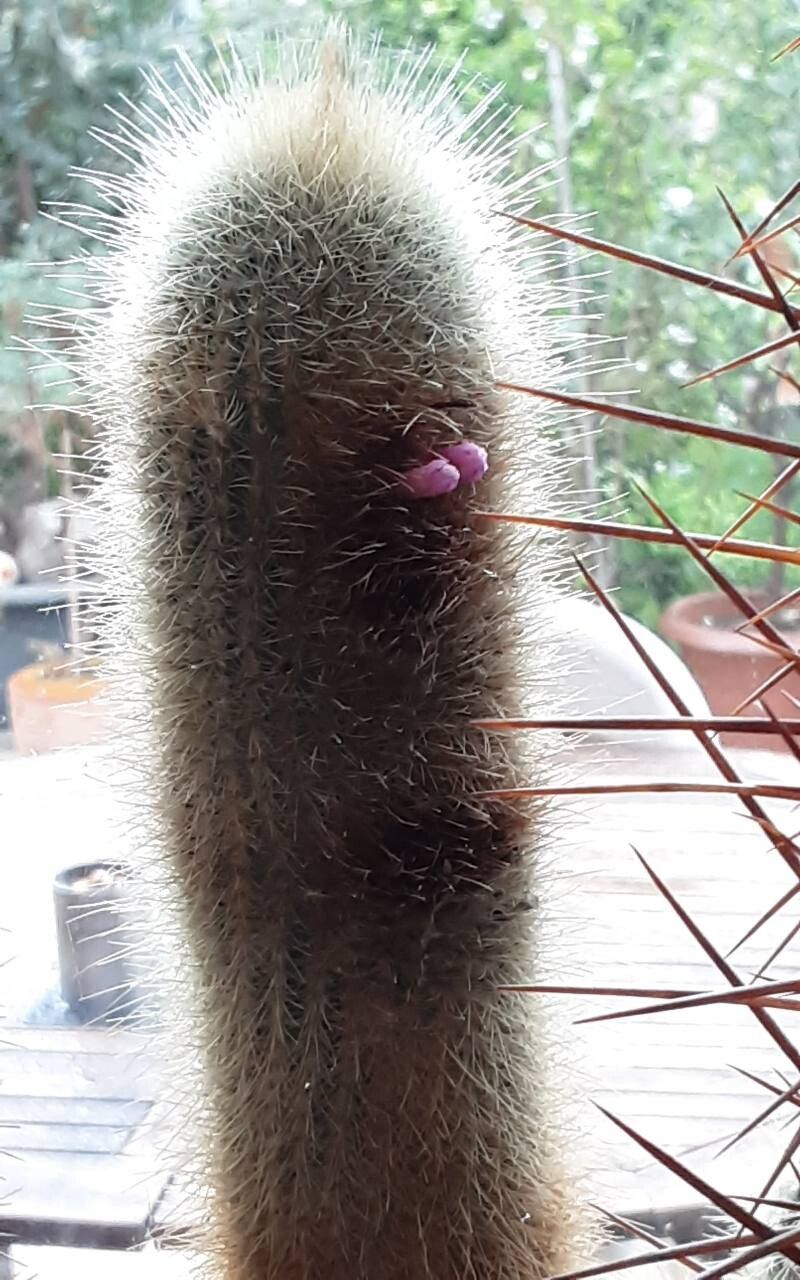
Propagating Micranthocereus streckeri: A Guide for Cactus Enthusiasts
Introduction:
Micranthocereus streckeri, often called the “Dwarf Bolivian Torch Cactus,” is a captivating miniature columnar cactus prized for its dense, spiny stems and charming, though small, white flowers. Its compact size and relatively slow growth make it a popular choice for succulent enthusiasts, particularly those with limited space. However, propagating this charming cactus presents unique challenges. Its slow growth and somewhat recalcitrant nature mean that success requires patience and attention to detail. The unique satisfaction of cultivating this plant from a cutting or seed, however, makes the effort worthwhile.
Seed Germination:
Seed germination for Micranthocereus streckeri is possible but notoriously difficult. Obtaining viable seeds is the first hurdle; commercially available seeds are not always readily available.
Challenges: Low germination rates are common, and seedlings are extremely susceptible to damping-off (fungal diseases). The seeds have a hard coat which may require scarification (carefully nicking the seed coat) to aid in water absorption.
Tips: Sow seeds in a well-draining, sterile seed-starting mix (cactus and succulent specific mix is ideal). Maintain a consistently warm temperature (around 25-30°C) and high humidity (using a humidity dome or propagator), but ensure good ventilation to prevent fungal growth. Light should be bright but indirect. Consistent moisture is crucial without being soggy.
Rewards: Successful seed germination offers the potential for high genetic diversity and the ability to propagate a large number of plants.
Cuttings:
Cuttings are a more commonly used and often more successful propagation method for Micranthocereus streckeri.
Challenges: Cuttings take a considerable amount of time to root. Proper callusing (allowing the cut end to dry slightly before planting) is essential to prevent rot. Selecting a healthy, mature stem segment for rooting is vital.
Tips: Use a sharp, clean blade to take stem cuttings of at least 5-8cm in length. Allow the cut end to callous over for several days to a week. Plant cuttings in a well-draining cactus potting mix. Avoid overwatering. Root formation may take several weeks, even months. A slightly humid environment can aid in rooting, but avoid conditions that foster fungal growth.
Rewards: Cuttings are a relatively straightforward method, producing clones that maintain the parent plant’s characteristics.
Division:
Division is generally not a viable method for propagating Micranthocereus streckeri. This cactus doesn’t naturally produce offsets or readily separate into distinct portions like some other cacti.
Tissue Culture:
Tissue culture offers the potential for large-scale propagation of Micranthocereus streckeri. However, this method requires specialized laboratory equipment and expertise in aseptic techniques.
Challenges: Establishing a sterile environment and maintaining it throughout the process is crucial. Finding the optimal media and growth regulators for successful growth requires experimentation and knowledge of plant tissue culture.
Tips: This method requires advanced horticultural training and equipment, it’s not suitable for home propagation.
Rewards: Tissue culture allows for rapid multiplication of plants and disease-free propagation.
Conclusion:
Propagating Micranthocereus streckeri presents a unique set of challenges; low seed germination rates, and the relatively slow rooting of cuttings are significant hurdles. While tissue culture offers potential for large-scale propagation, it’s not easily accessible to the home cultivator. The most practical approach for most enthusiasts is through cuttings, given patience and the right techniques. The rewards, however, are immense: the satisfaction of nurturing this compact cactus from a small cutting, or achieving a rare successful germination from seed, far outweighs the difficulties involved. For aspiring propagators of this species, persistence, attention to detail, and a deep understanding of cactus cultivation are key ingredients to success. Remember that even experienced growers sometimes encounter setbacks; treat each attempt as a learning experience and enjoy the journey!