
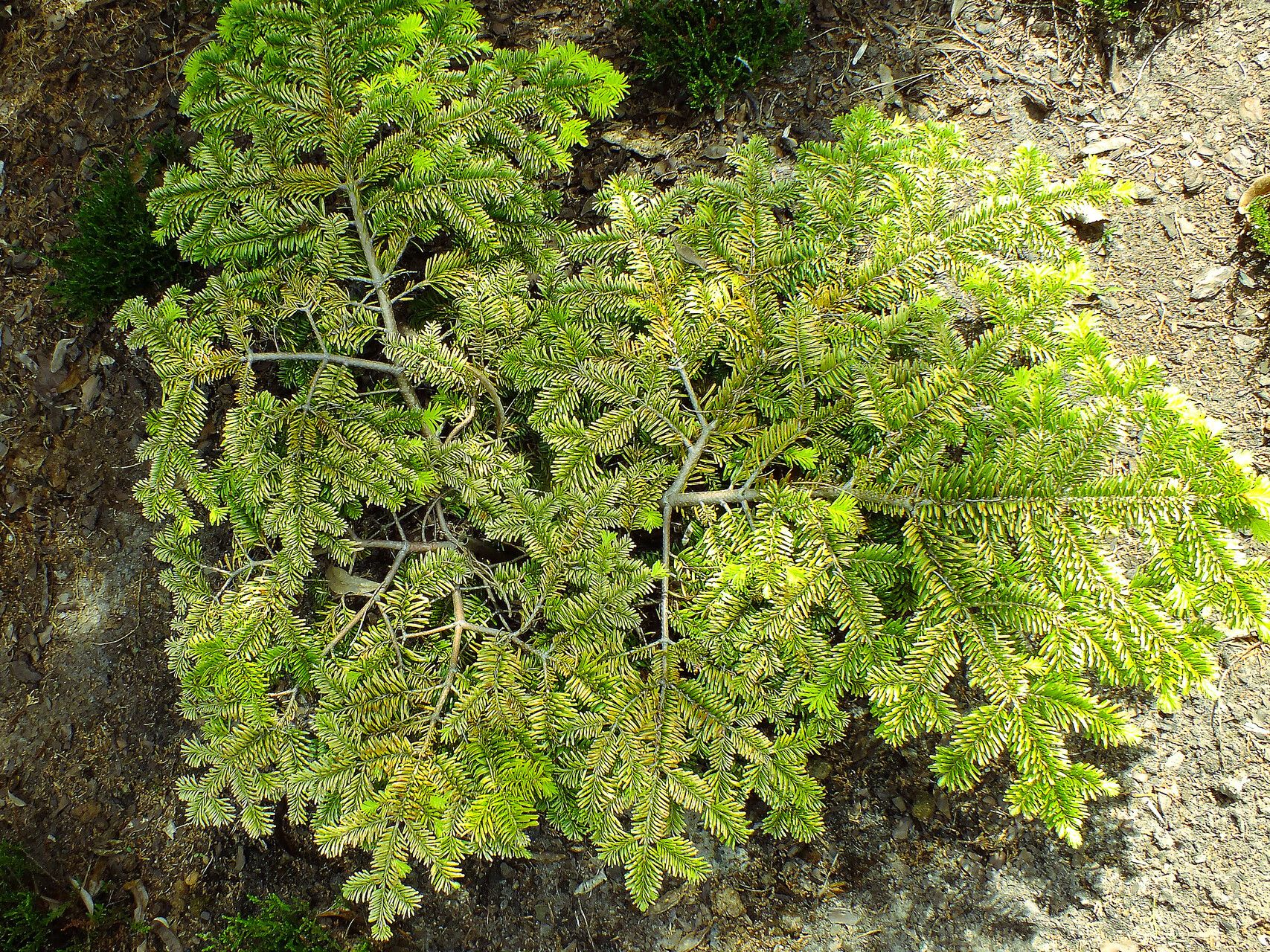
Propagating Picea jezoensis: A Guide to Cultivating the Jezo Spruce
Introduction
Picea jezoensis, commonly known as the Jezo spruce, is a majestic conifer native to northern Japan, Sakhalin, and Siberia. Known for its elegant, conical shape, pendulous branches, and attractive bluish-green needles, the Jezo spruce holds a significant place in both ornamental horticulture and forestry. Its adaptability to colder climates and tolerance of shade make it a popular choice among gardeners seeking a hardy and visually striking evergreen. However, its propagation presents some unique challenges, making successful cultivation a rewarding accomplishment. The unique aspects relevant to propagation include its relatively slow growth rate and the potential for seed dormancy.
Seed Germination
Seed germination is a viable method for propagating Picea jezoensis, but it presents several challenges.
Challenges: Jezo spruce seeds often exhibit dormancy, requiring stratification (a period of cold, moist storage) to break this dormancy and stimulate germination. Furthermore, the seeds are small and require careful handling to avoid damage. Germination rates can be variable, even with proper stratification techniques.
Practical Tips: Collect mature cones in the autumn. Extract the seeds and clean them thoroughly. Stratify the seeds for approximately 60-90 days at temperatures near 4°C (39°F) in a moist medium (e.g., vermiculite or perlite). Sow the seeds in a well-draining seed-starting mix, keeping the medium consistently moist but not waterlogged. Provide ample light, but avoid direct sunlight, especially during the initial germination phase.
Rewards: Seed propagation offers the advantage of genetic diversity, leading to a wider range of plant characteristics within the resulting population. It also enables larger-scale propagation compared to other methods.
Cuttings
Cuttings are a less common but potentially successful method for propagating Picea jezoensis.
Challenges: Hardwood cuttings are generally preferred for conifers, but rooting success rates are low. The process requires careful attention to hormone application, humidity control, and fungal disease prevention.
Practical Tips: Take semi-hardwood cuttings in late summer or early autumn from actively growing, but mature, shoots. Dip the base of the cuttings in rooting hormone before planting them in a well-draining propagation mix. Maintain high humidity using a propagation chamber or plastic covering. Regular misting is crucial to prevent desiccation.
Rewards: Cuttings allow for the propagation of desirable clones, ensuring that offspring possess the same characteristics as the parent plant. This is particularly useful for propagating superior cultivars.
Division
Division is not a feasible propagation method for Picea jezoensis. This species doesn’t lend itself to root division due to its deep taproot system.
Tissue Culture
Tissue culture is a viable but specialized method for propagating Picea jezoensis.
Challenges: Tissue culture requires specialized equipment, a sterile environment, and a specific knowledge of plant tissue culture techniques. It can be an expensive and time-consuming process.
Practical Tips: This method requires a controlled environment using sterile media, growth regulators (phytohormones), and a strict aseptic technique to prevent contamination. Specific protocols for Jezo spruce are likely not widely published, requiring significant research and experimentation.
Rewards: Tissue culture offers a high propagation rate and allows for the rapid multiplication of exceptional individuals. It also minimizes the risk of disease transmission compared to other methods.
Conclusion
Propagating Picea jezoensis presents various challenges across all methods, necessitating patience, careful attention to detail, and specialized knowledge. Seed germination, while possible, requires patience and understanding of stratification, while cuttings offer a viable alternative but involve lower success rates. Tissue culture represents a more complex but potentially more efficient method for large-scale propagation. The rewards, however, are significant: the satisfaction of cultivating this majestic evergreen from seed or a cutting, nurturing it through its early stages, and eventually witnessing its graceful development into a mature tree, makes all the effort worthwhile. For aspiring propagators, persistence and a willingness to learn from successes and failures are invaluable assets in this rewarding endeavor. Remember to consult specialized horticultural literature and resources for detailed protocols and practical tips specific to conifer propagation.