
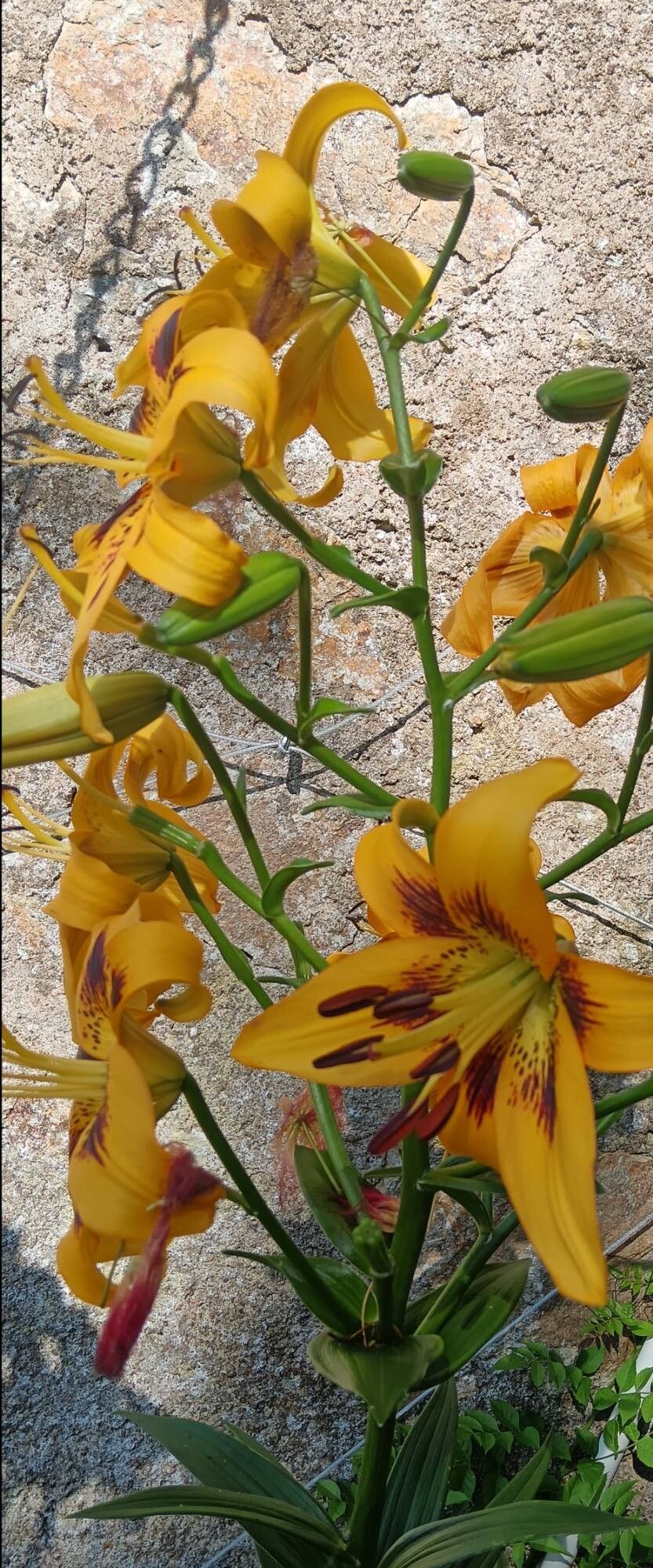
Propagating Lilium parryi: A Gardener’s Guide to the Parry’s Lily
Introduction:
Lilium parryi, also known as Parry’s Lily, is a stunning, native North American lily prized for its vibrant, recurved, orange-red flowers and its adaptability to challenging environments. Its striking beauty and relative rarity have made it a sought-after addition to many rock gardens and wildflower collections. However, propagating Lilium parryi presents unique challenges compared to more common lily species, making successful propagation a rewarding accomplishment for the dedicated gardener.
Seed Germination:
Currently, there are no known reliable methods for seed germination propagation of Lilium parryi. While seeds may be produced, germination rates are extremely low, and seedlings often fail to thrive. The complex germination requirements, potentially including specific mycorrhizal associations and environmental conditions, remain largely unknown.
Cuttings:
Currently, there are no known reliable methods for propagating Lilium parryi from cuttings. Lilies generally do not readily propagate from stem or leaf cuttings.
Division:
Division is the most reliable method for propagating Lilium parryi. This involves carefully separating established bulbs into smaller clumps, each containing several scales and a portion of the rhizome.
Challenges: Parry’s lily bulbs are relatively small and slow to multiply compared to some other lily species. Improper division can damage the bulbs, leading to failure. The delicate root system also requires careful handling.
Practical Tips: Division is best performed during dormancy (late summer or early autumn) or immediately after flowering. Use a sharp, sterile knife or spade to separate the bulb clumps. Ensure each division has healthy roots and several scales. Replant the divisions immediately in well-draining, slightly acidic soil, keeping them moist but not waterlogged.
Rewards: Division offers a relatively quick way to increase the number of plants, producing genetically identical offspring that retain the desirable characteristics of the parent plant.
Tissue Culture:
Tissue culture offers the potential for large-scale propagation of Lilium parryi. This advanced technique involves growing plantlets from small pieces of tissue in a sterile, nutrient-rich medium.
Challenges: Tissue culture requires specialized equipment, a sterile environment, and significant technical expertise. Finding a suitable medium and protocols for Lilium parryi may require experimentation. The process can be expensive and time-consuming.
Practical Tips: Consulting with a professional tissue culture laboratory or experienced propagator is crucial. Specific protocols for Lilium parryi may need to be developed.
Rewards: Large numbers of genetically identical plants can be produced quickly, opening opportunities for conservation and wider distribution.
Conclusion:
Propagating Lilium parryi presents significant challenges, particularly regarding seed germination and cuttings. Division is currently the most practical method for the average gardener, while tissue culture offers a potential solution for larger-scale propagation, but requires specialized skills and resources. The rewards, however, are well worth the effort. The successful cultivation of this beautiful and rare lily, whether through division or tissue culture, provides a deep sense of accomplishment and contributes to the preservation of this unique plant. For the aspiring propagator, patience, careful attention to detail, and a willingness to learn are key to success. Remember to research your local climate and soil conditions to ensure your newly propagated Parry’s Lilies thrive.