
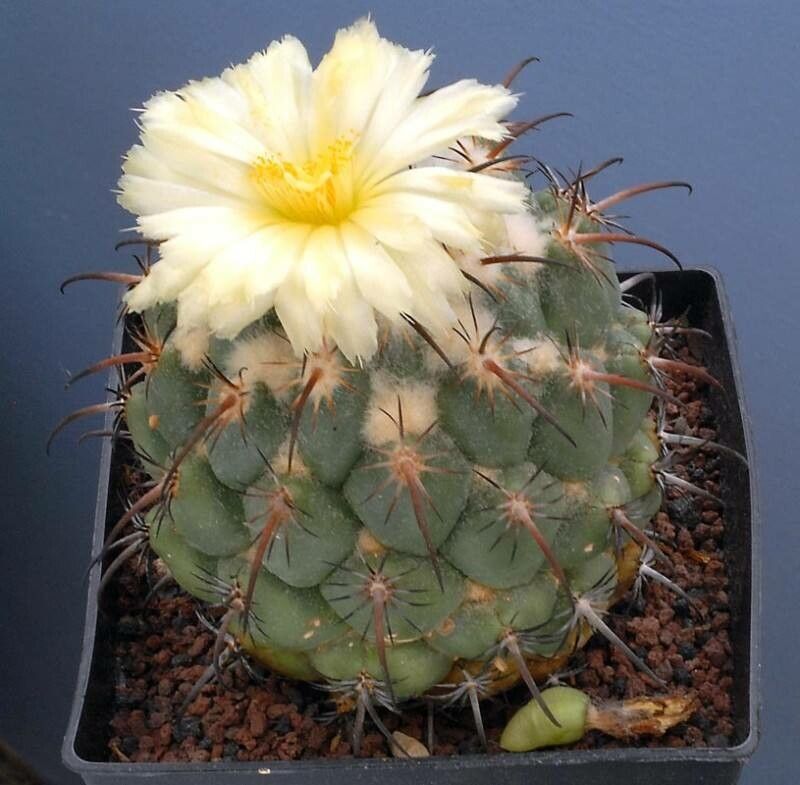
Propagating the Long-Spined Beehive Cactus (Coryphantha longicornis)
Introduction:
Coryphantha longicornis, commonly known as the Long-Spined Beehive Cactus, is a captivating succulent prized for its striking appearance. This small, clustering cactus boasts a densely packed body of cylindrical tubercles, each tipped with long, yellowish spines that create a visually stunning, beehive-like structure. Its relatively compact size makes it a popular choice for rock gardens, container cultivation, and even windowsill displays. However, its propagation presents some unique challenges, making successful cultivation all the more rewarding. This article explores various propagation methods for Coryphantha longicornis, weighing their viability and effectiveness.
Seed Germination:
Seed germination is a viable method for propagating Coryphantha longicornis, though it presents several challenges. Fresh seeds are crucial for higher success rates. Obtaining fresh, viable seeds may require cultivating your own plants or sourcing them from reputable specialist nurseries.
Challenges: Coryphantha seeds are notoriously slow to germinate, requiring patience and specific conditions. They are also susceptible to damping-off (fungal diseases), especially in overly moist environments.
Practical Tips: Sow seeds in a well-draining cactus and succulent potting mix. Maintain a consistently warm temperature (around 70-75°F or 21-24°C) and provide bright, indirect light. Gentle bottom watering is recommended to avoid saturating the seedbed. Consider pre-treating the seeds with a mild fungicide to reduce the risk of damping-off. Stratification (a period of cold, moist storage) is not typically required for Coryphantha longicornis, but some growers report success with a brief period of cold stratification (4-6 weeks at 40°F or 4°C).
Rewards: Seed propagation offers the greatest potential for genetic diversity and allows for the propagation of a large number of plants from a single seed source.
Cuttings:
Currently, there are no known reliable methods for propagating Coryphantha longicornis from cuttings. The plant’s structure and physiology do not lend themselves well to this method; cuttings typically fail to root and produce callus.
Division:
Division is a relatively straightforward method for propagating Coryphantha longicornis, particularly for older, established plants that produce offsets (or pups) at their base.
Challenges: The success of division depends on the presence of healthy offsets with established root systems. Care must be taken during separation to avoid damaging the parent plant and its offsets.
Practical Tips: The best time to divide is during the active growing season (spring or early summer). Use a sharp, clean knife or shears to separate the offsets, ensuring each has a good portion of its own root system. Allow the cut surfaces to callus over for a few days before planting them individually in a well-draining potting mix. Avoid overwatering until new growth is evident.
Rewards: Division is a relatively fast and easy way to increase the number of plants, preserving the genetic characteristics of the parent plant.
Tissue Culture:
Tissue culture offers a high-potential method for large-scale propagation of Coryphantha longicornis; but it is a complex specialized technique.
Challenges: Establishing a viable tissue culture protocol for Coryphantha longicornis requires specialized knowledge, equipment, and sterile conditions. It is not a feasible method for home propagation.
Practical Tips: This method is best left to experienced tissue culture laboratories. Success hinges on selecting appropriate media, growth regulators, and maintaining strict aseptic techniques.
Rewards: Tissue culture provides the possibility of rapid and large-scale propagation of genetically identical plants suitable for research, conservation or commercial purposes.
Conclusion:
Propagating Coryphantha longicornis presents a unique set of challenges, with seed germination requiring patience and attention to detail, division being practical for established plants and tissue culture demanding sophisticated laboratory practices. While cuttings are not viable, the success of seed germination or division is extremely rewarding, highlighting the resilience and beauty of this captivating cactus. The satisfaction derived from nurturing these slow-growing plants from seed or offsets to maturity is a testament to the gardener’s dedication and patience. For those aspiring to propagate Coryphantha longicornis, starting with division from an established plant is a relatively accessible entry point, while attempting seed propagation offers a more challenging but equally rewarding experience. Don’t be discouraged by setbacks – the journey itself is an integral part of the unique satisfaction that comes with successfully cultivating this remarkable cactus.