
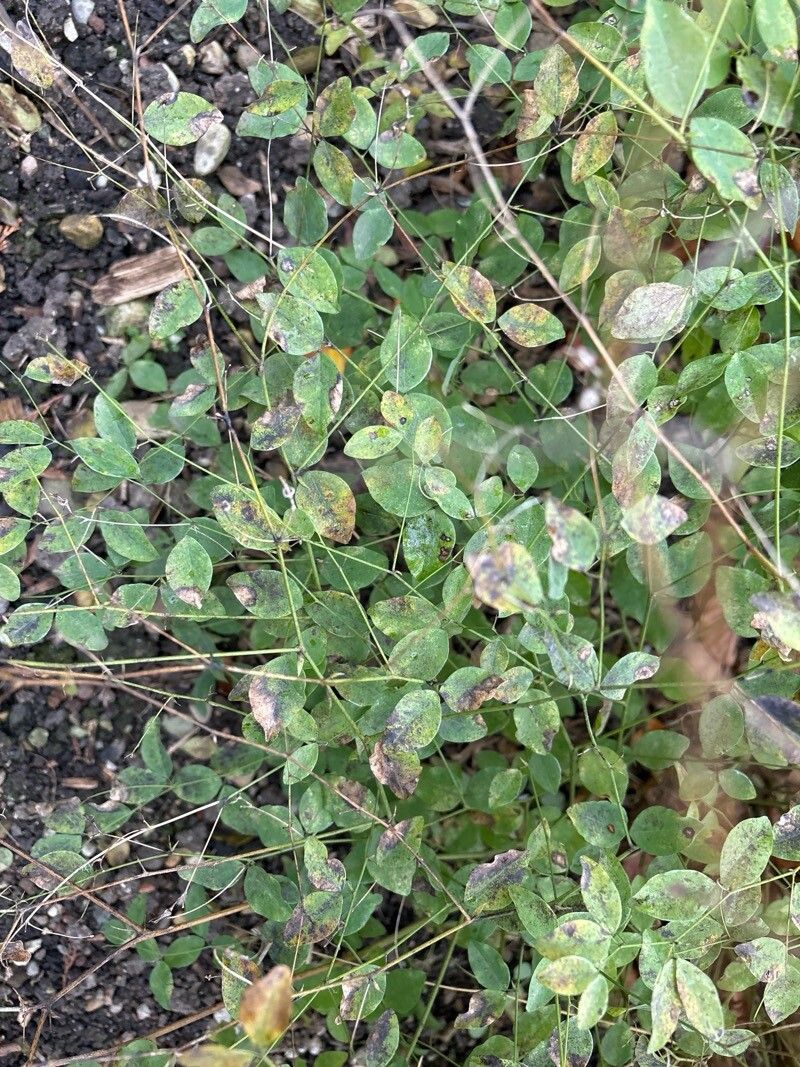
Propagating Lathyrus roseus: Spreading the Beauty of the Pink Sweet Pea
Lathyrus roseus, commonly known as the Pink Sweet Pea or Everlasting Pea, is a charming climbing plant prized for its abundance of delicate, rosy-pink flowers. Its vigorous growth habit and extended blooming period make it a popular choice among gardeners, adding a touch of effortless beauty to trellises, fences, and other support structures. However, its propagation presents several unique challenges, making successful cultivation all the more rewarding.
Seed Germination:
Seed germination is a viable, albeit sometimes challenging, method for propagating Lathyrus roseus. The main challenge lies in the hard seed coat, which can inhibit water uptake and germination. This necessitates stratification, a process mimicking the natural winter conditions that break seed dormancy.
Practical Tips:
- Scarification: Gently nicking the seed coat with a file or sandpaper can aid germination. Avoid damaging the embryo.
- Stratification: Soak seeds in warm water for 24 hours before sowing. Then, sow seeds in a moist seed-starting mix and place them in a refrigerator at 4°C (39°F) for 4-6 weeks to cold-stratify.
- Sowing: After stratification, sow seeds about 1cm deep in well-draining potting mix. Maintain consistently moist (but not waterlogged) conditions and warm temperatures (around 18-21°C or 64-70°F).
- Germination Time: Germination can be slow and irregular, taking anywhere from several weeks to several months. Patience is key.
Rewards: Successful germination from seed offers the opportunity to cultivate diverse genetic material and potentially generate a large number of plants relatively inexpensively.
Cuttings:
Cuttings present another option for propagating Lathyrus roseus. However, success rates can vary.
Challenges:
Rooting from cuttings can be unreliable. The success rate is significantly improved with the use of rooting hormone and a high humidity environment.
Practical Tips:
- Timing: Take semi-hardwood cuttings in late spring or early summer.
- Preparation: Use sharp, clean tools to take 10-15cm cuttings, removing lower leaves. Dip the cut ends in rooting hormone.
- Planting: Plant cuttings in a well-draining potting mix and cover with a plastic bag or cloche to maintain high humidity.
- Maintenance: Keep the potting mix consistently moist, but avoid overwatering. Provide bright, indirect light.
Rewards: If successful, cuttings offer a quicker method of propagation than seeds, producing genetically identical plants to the parent plant.
Division:
Division is generally not a practical method for propagating Lathyrus roseus, as the plant’s root system is not readily divisible into independent, viable sections. While you might try separating established clumps, success is not guaranteed and risks damaging the mother plant.
Tissue Culture:
Currently, there are no widely available or documented reliable methods for tissue culture propagation of Lathyrus roseus. While theoretically possible, it would likely require specialized laboratory equipment and expertise.
Conclusion:
Propagating Lathyrus roseus presents a range of challenges depending on the chosen method. Seed germination, while feasible, requires patience and attention to detail, particularly regarding stratification. Cuttings offer a faster but less reliable approach, demanding careful humidity and sanitation. Division is largely impractical, and tissue culture remains largely unexplored.
Despite the difficulties, however, the successful propagation of this lovely plant delivers a unique sense of accomplishment. The delicate beauty of the pink flowers, rewarding the gardener’s patience and persistence, makes the effort undeniably worthwhile. For aspiring propagators, we recommend starting with seed germination, carefully following the stratification guidelines, and supplementing with cuttings to increase your chances of success. The vibrant blooms of your self-propagated Lathyrus roseus will be a testament to your horticultural dedication.