
Propagating Trigonella spicata: A Spiked Fenugreek Challenge
Introduction
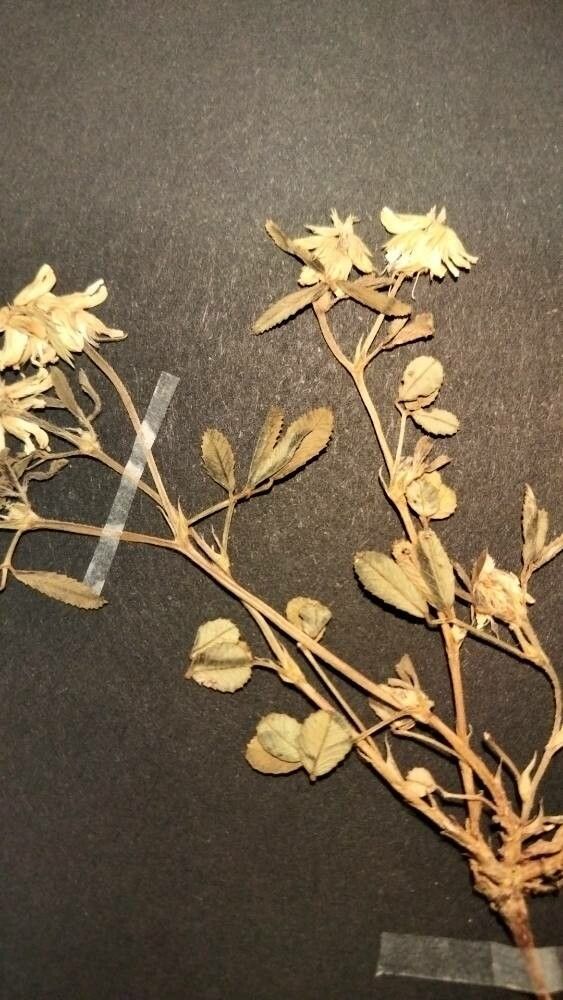
Trigonella spicata, commonly known as spiny fenugreek or simply spiked fenugreek, is a charming herbaceous annual or short-lived perennial belonging to the Fabaceae family. Characterized by its delicate, spiky inflorescences of pale yellow or cream flowers and aromatic foliage, it holds a certain appeal for gardeners seeking unusual and fragrant additions to their borders or rock gardens. Its relatively small stature and drought tolerance make it suitable for various settings. However, its propagation presents unique challenges, making successful cultivation a rewarding endeavor for the dedicated gardener.
Seed Germination
Seed germination is a viable method for propagating Trigonella spicata, although it possesses challenges. The seeds often exhibit dormancy, meaning they require specific conditions to break their dormancy and germinate.
Challenges: Low germination rates are common. Seeds may require scarification (lightly scratching the seed coat) or stratification (a period of cold, moist treatment) to overcome dormancy. The timing of sowing is crucial, as the seeds require warm soil temperatures for germination.
Practical Tips: Soak seeds in warm water for 24 hours before sowing to improve hydration. Consider scarification using sandpaper or a file. Stratification at 4°C for 4-6 weeks before sowing can significantly enhance germination success. Sow seeds in well-draining seed starting mix, barely covering them with soil. Maintain consistent moisture but avoid overwatering, which can lead to fungal diseases.
Rewards: This method allows for genetic diversity within your propagation efforts. Successfully germinating seeds offers the potential for large-scale propagation, making it a cost-effective approach once mastered.
Cuttings
Currently, there are no known reliable methods for propagating Trigonella spicata from cuttings. The plant’s stem structure and inherent physiology likely hinders the development of roots from cuttings.
Division
Division is a viable method, especially for established plants that have formed dense clumps. This technique relies on separating the plant’s root system into smaller sections, each with its own set of roots and shoots.
Challenges: The plant may not readily form large enough clumps for division in all growing conditions. Care must be taken to avoid damaging the roots during the division process.
Practical Tips: Divide the plant in early spring or autumn when the plant is dormant or actively growing. Ensure each division has a healthy root system and several growth points. Plant the divisions in well-prepared soil, ensuring they are watered adequately to encourage successful establishment.
Rewards: This method is relatively quick and easy once the plant has reached a suitable size, offering a reliable way to increase the number of plants.
Tissue Culture
Tissue culture propagation of Trigonella spicata is not widely reported in literature and may prove challenging. While theoretically possible, it requires specialized equipment, sterile techniques, and a good understanding of plant tissue culture principles. There is no readily available protocol for this species.
Challenges: The establishment of a reliable protocol for in vitro propagation necessitates extensive experimentation and may require the use of specific growth hormones and culture media to promote shoot multiplication and root induction. This method is expensive and requires specialized expertise.
Practical Tips: If pursuing tissue culture, consider contacting university research facilities or commercial labs specializing in plant propagation for assistance.
Rewards: Tissue culture offers a potential for mass propagation, eliminating many limitations of other techniques and preserving genetic uniformity.
Conclusion
Propagating Trigonella spicata presents a unique set of hurdles. While seed germination and division offer viable pathways, both require patience and attention to detail. Cuttings and tissue culture remain largely unexplored avenues. The rewards, however, are undeniable. Witnessing the delicate spiky flowers emerge from a successfully propagated plant, having overcome the initial challenges, provides a satisfying sense of accomplishment. To aspiring propagators, I offer this advice: start with seed, patiently refining your techniques, and don’t be afraid to experiment with stratification and scarification. If you have established plants, division provides a more straightforward approach. Remember, perseverance and keen observation are key to success with this captivating species.