
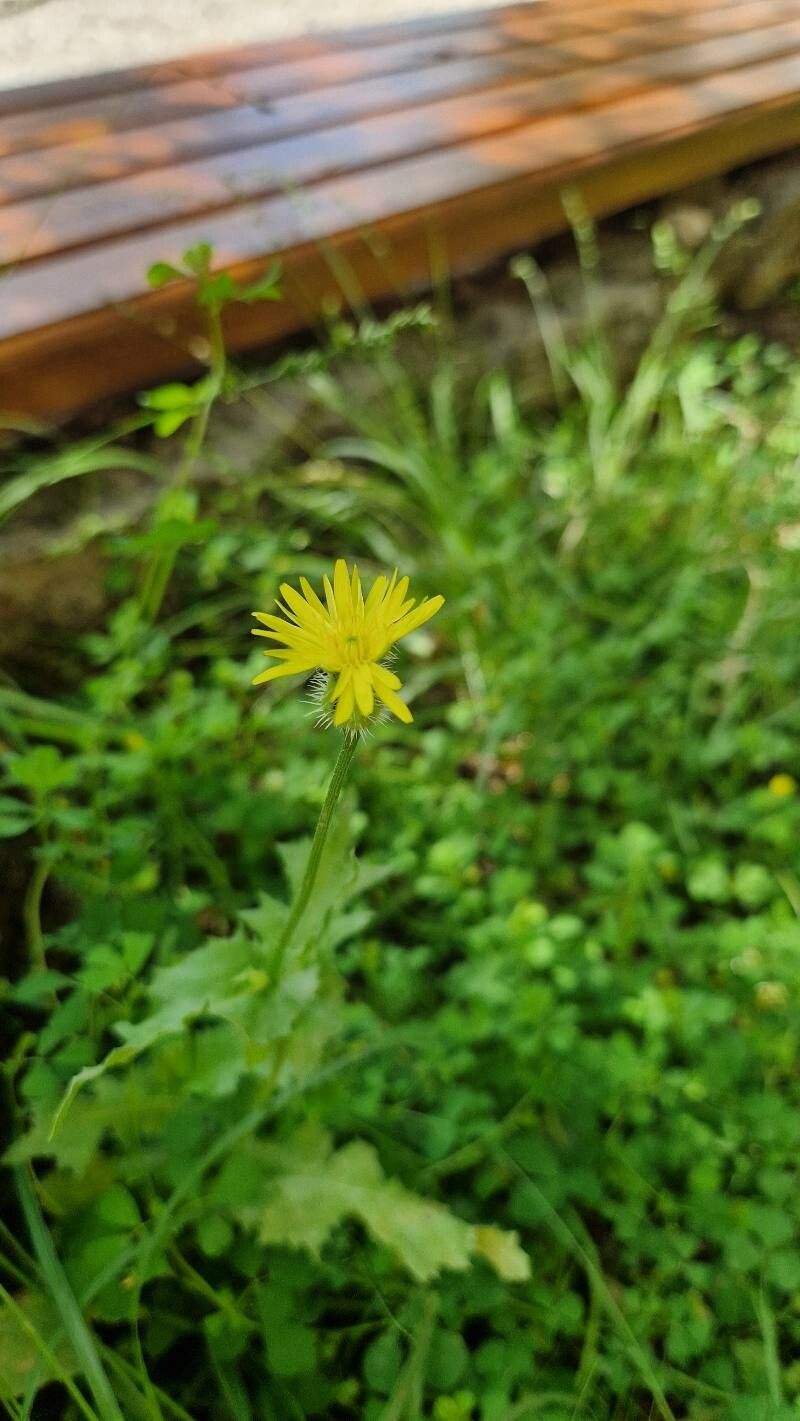
Propagating Urospermum picroides: A Guide to the False Dandelion
Urospermum picroides, commonly known as the false dandelion or piss-en-lit, is a striking annual or biennial plant belonging to the Asteraceae family. Its cheerful yellow flowers, similar to dandelions but with more pointed rays, and its robust, slightly hairy foliage make it a desirable addition to wildflower meadows, cottage gardens, and naturalistic landscapes. Its ease of establishment in poor soils contributes to its popularity among gardeners seeking hardy and low-maintenance options. However, propagating this seemingly resilient plant can present certain challenges, requiring a nuanced understanding of its reproductive biology.
Seed Germination:
Seed germination is a viable method for propagating Urospermum picroides. However, it presents some challenges. The seeds possess a hard seed coat that can hinder water uptake, resulting in delayed or incomplete germination. To overcome this, scarification is recommended. This can be achieved by gently nicking the seed coat with a sharp knife or by using sandpaper. Another strategy is to soak the seeds in warm water for 24 hours before sowing.
Ideal sowing conditions include well-drained soil, a location with full sun exposure, and temperatures ranging between 15-20°C. Direct sowing outdoors in spring or autumn is generally successful. Thinning seedlings is crucial to ensure adequate spacing and prevent overcrowding.
The rewards of seed propagation include substantial genetic diversity within the resulting plant population and the potential for large-scale propagation, making it ideal for establishing extensive wildflower patches.
Cuttings:
Currently, there are no known reliable methods for propagation of Urospermum picroides via cuttings. Its stem structure and physiological properties likely don’t lend themselves to successful vegetative propagation from cuttings.
Division:
Division is not a practical method for propagating Urospermum picroides. As an annual or biennial, it doesn’t form the sort of robust root system suitable for division.
Tissue Culture:
While potentially viable, tissue culture propagation of Urospermum picroides is generally not a practical option for home gardeners. This method requires specialized equipment, laboratory conditions, and expertise in plant tissue culture techniques. It is more typically employed in large-scale commercial propagation or research settings.
Conclusion:
Propagating Urospermum picroides presents both challenges and rewards. While seed germination offers a viable and rewarding method to increase plant numbers, requiring only basic horticultural skills and resources, it demands patience and careful attention to detail, particularly regarding seed scarification and appropriate sowing techniques. Other methods, such as cuttings and division, prove less effective. While tissue culture remains an advanced technique not suitable for home use, understanding the seed germination process allows gardeners to successfully introduce and expand the presence of this appealing wildflower.
The unique satisfaction of cultivating Urospermum picroides stems from successfully overcoming the initial hurdles associated with seed germination. Witnessing the emergence of these vibrant yellow blossoms, born from tiny seeds, truly exemplifies the grower’s patience and skill. Don’t be discouraged by the initial challenges – with careful preparation and a little persistence, the reward of a beautiful, self-seeding display of false dandelions is certainly worth the effort.