
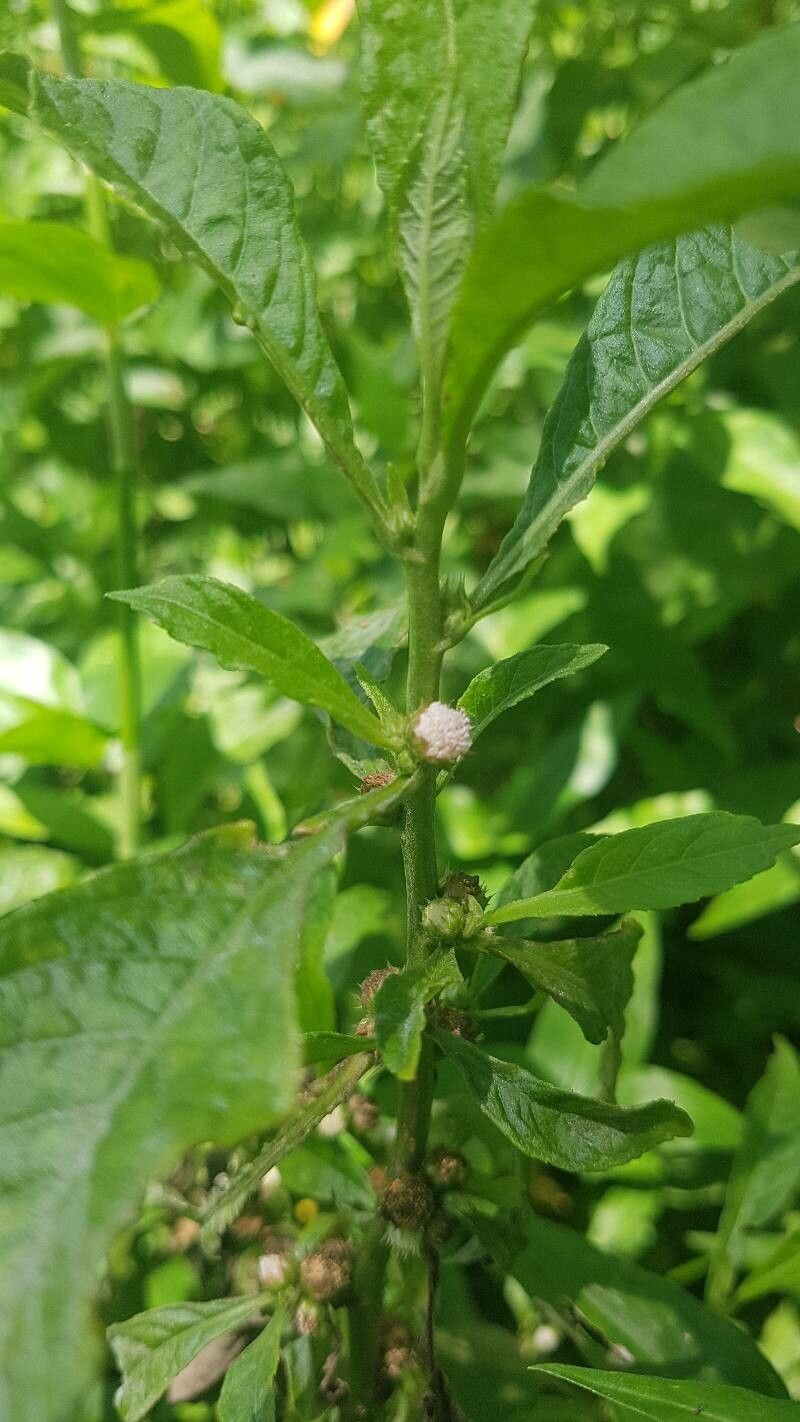
Propagating Struchium sparganophorum: A Gardener’s Guide
Struchium sparganophorum, commonly known as “Spanish needlewood,” is a robust, sprawling herb characterized by its lanceolate leaves and small, inconspicuous flower heads. While not as widely cultivated as some ornamental plants, its interesting foliage, adaptability, and potential as a groundcover has earned it a dedicated following among gardeners interested in diverse, low-maintenance options. Propagation, however, presents some unique challenges. This article explores the various methods available, their associated difficulties, and the rewards awaiting the patient cultivator.
Seed Germination:
Currently, there are no known reliable methods for seed germination propagation of Struchium sparganophorum. While the plant produces seed, germination rates are reportedly extremely low, and success has not been widely documented in horticultural literature. Further research is needed to determine if specific pre-treatment techniques (such as scarification or stratification) could improve germination success.
Cuttings:
Cuttings offer a more promising method for propagating Struchium sparganophorum.
Challenges: Rooting success can be variable and depends significantly on environmental factors. Using semi-hardwood cuttings (taken from new growth that has begun to harden) generally yields better results than softwood or hardwood cuttings.
Tips: Take cuttings approximately 4-6 inches long, removing lower leaves to prevent rot. Dip the cut ends in rooting hormone powder to stimulate root development. Plant cuttings in a well-draining propagation mix (e.g., a blend of perlite and peat moss) and maintain high humidity (e.g., using a humidity dome or regularly misting). Consistent warmth (around 70-75°F) is also important.
Rewards: Cuttings offer a relatively straightforward method for creating genetically identical copies of a desirable mother plant, allowing gardeners to quickly expand their stock of Spanish needlewood.
Division:
Division is another feasible propagation technique, particularly for established plants.
Challenges: Successful division relies on the plant having well-developed root systems with multiple growth points. Dividing a plant that is too small or lacking sufficient roots will severely stress or even kill the original plant and its divisions.
Tips: The best time for division is during the spring or early summer, when the plant is actively growing. Carefully dig up the entire plant, gently separate it into several smaller sections, each containing its own roots and shoots. Replant the divisions immediately in well-prepared soil, ensuring adequate spacing.
Rewards: Division is a rapid method for increasing the number of plants and can be less technically demanding than cuttings or tissue culture.
Tissue Culture:
Tissue culture, while technically possible, is typically not a practical propagation method for home gardeners due to the specialized equipment, sterile environment, and expertise required.
Challenges: Establishing a sterile environment to prevent contamination is crucial. Specific media formulations and hormonal treatments are necessary to induce shoot and root development.
Tips: This propagation method requires extensive research and training. Refer to specialized horticultural resources for detailed protocols.
Rewards: Tissue culture enables the rapid multiplication of genetically uniform plants and allows for the propagation of plants from small tissue samples. However, its practicality for home gardeners propagating Struchium sparganophorum is limited.
Conclusion:
Propagating Struchium sparganophorum presents distinct challenges across various methods. While seed germination remains unreliable, cuttings and division offer practical alternatives for the home gardener. Tissue culture, requiring specialized expertise, is best left to commercial nurseries. The unique satisfaction of successfully propagating this plant – overcoming initial hurdles and observing its vigorous growth from a cutting or division – underscores the rewarding nature of plant cultivation. Though the journey may require patience and persistence, the eventual success offers a tangible sense of accomplishment for the dedicated gardener.