
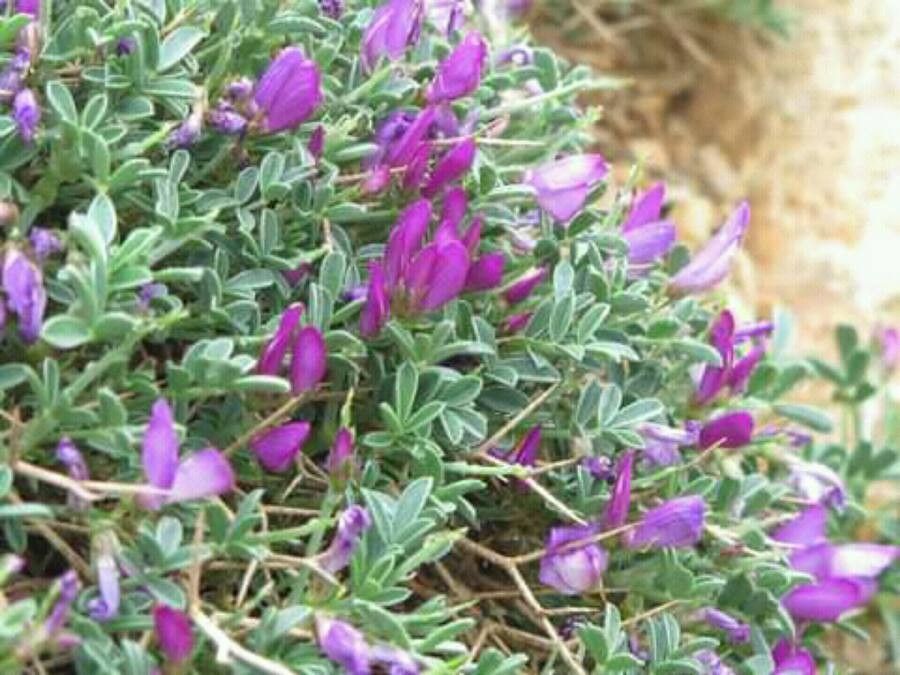
Propagating Horned Sainfoin (Onobrychis cornuta): A Gardener’s Guide
Introduction:
Onobrychis cornuta, commonly known as Horned Sainfoin, is a drought-tolerant, nitrogen-fixing perennial legume prized for its attractive pink flower spikes and its value in ecological restoration projects. Its deep taproot makes it resilient to dry conditions, and the vibrant blooms attract pollinators, making it a desirable addition to meadows, wildflower gardens, and environmentally conscious landscaping. While readily available as established plants, propagating Horned Sainfoin can be rewarding, although it presents certain challenges due to its specific germination needs and relatively slow growth. This guide explores various propagation methods, outlining their viability and offering practical advice.
Seed Germination:
Seed germination is a viable method for propagating Onobrychis cornuta, but it’s not without its difficulties. The hard seed coat often requires scarification to improve germination rates. This can be achieved through mechanical methods like nicking the seed coat with sandpaper or soaking seeds in concentrated sulfuric acid for a short period (use caution when handling sulfuric acid and follow safety protocols meticulously). Another crucial step is stratification. This involves exposing the seeds to cold, moist conditions for several weeks (ideally 6-8 weeks) to mimic the natural winter conditions required for breaking dormancy. Sow the pre-treated seeds directly outdoors in spring, in well-drained soil, at a depth of approximately ½ inch. Maintain consistent moisture until germination. The rewards for successful germination include high genetic diversity in the resulting plants and the potential for large-scale propagation. However, low germination rates are common, requiring patience and possibly multiple attempts.
Cuttings:
Currently, there are no known reliable methods for propagating Onobrychis cornuta from cuttings. The woody nature of the stems and the plant’s overall physiology makes successful rooting from cuttings difficult, if not impossible, using standard propagation techniques.
Division:
Division is a feasible method for propagating established Horned Sainfoin plants. This should be performed in early spring or late autumn when the plant is dormant. Carefully dig up the mature plant, ensuring minimal root disturbance. Separate the crown into sections, each with a healthy root system and several shoots. Replant the divisions immediately in prepared, well-drained soil, ensuring adequate spacing. Watering consistently is crucial initially to help the divisions establish a new root system. While less efficient than seed propagation for mass production, division allows for rapid multiplication of already proven, healthy plants, providing a faster route to new plants than seed germination.
Tissue Culture:
Tissue culture propagation of Onobrychis cornuta is a complex procedure that requires specialized laboratory equipment and expertise. While potentially offering significant advantages like rapid multiplication and disease-free stock, it is generally not a practical method for home gardeners. Establishing suitable growth media and protocols requires extensive experimentation and knowledge of plant tissue culture techniques. Therefore, this method is generally left to research institutions and specialized nurseries.
Conclusion:
Propagating Horned Sainfoin presents distinct challenges across different methods. Seed germination, although viable, requires patience, careful pre-treatment, and a willingness to accept potentially low success rates initially. Division provides a more reliable method for established plants but is less suitable for large-scale propagation. Cuttings and tissue culture are currently impractical for most home growers. Despite the difficulties, the unique beauty and ecological benefits of Onobrychis cornuta make the effort worthwhile. The satisfaction of nurturing a plant from seed, through the challenges of germination to its eventual flowering, is unparalleled. Don’t be discouraged by setbacks; the perseverance required to propagate Horned Sainfoin contributes to a deeper appreciation for this resilient and rewarding plant. Remember to be patient and persistent – even small successes are valuable steps towards a thriving Horned Sainfoin population in your garden.