
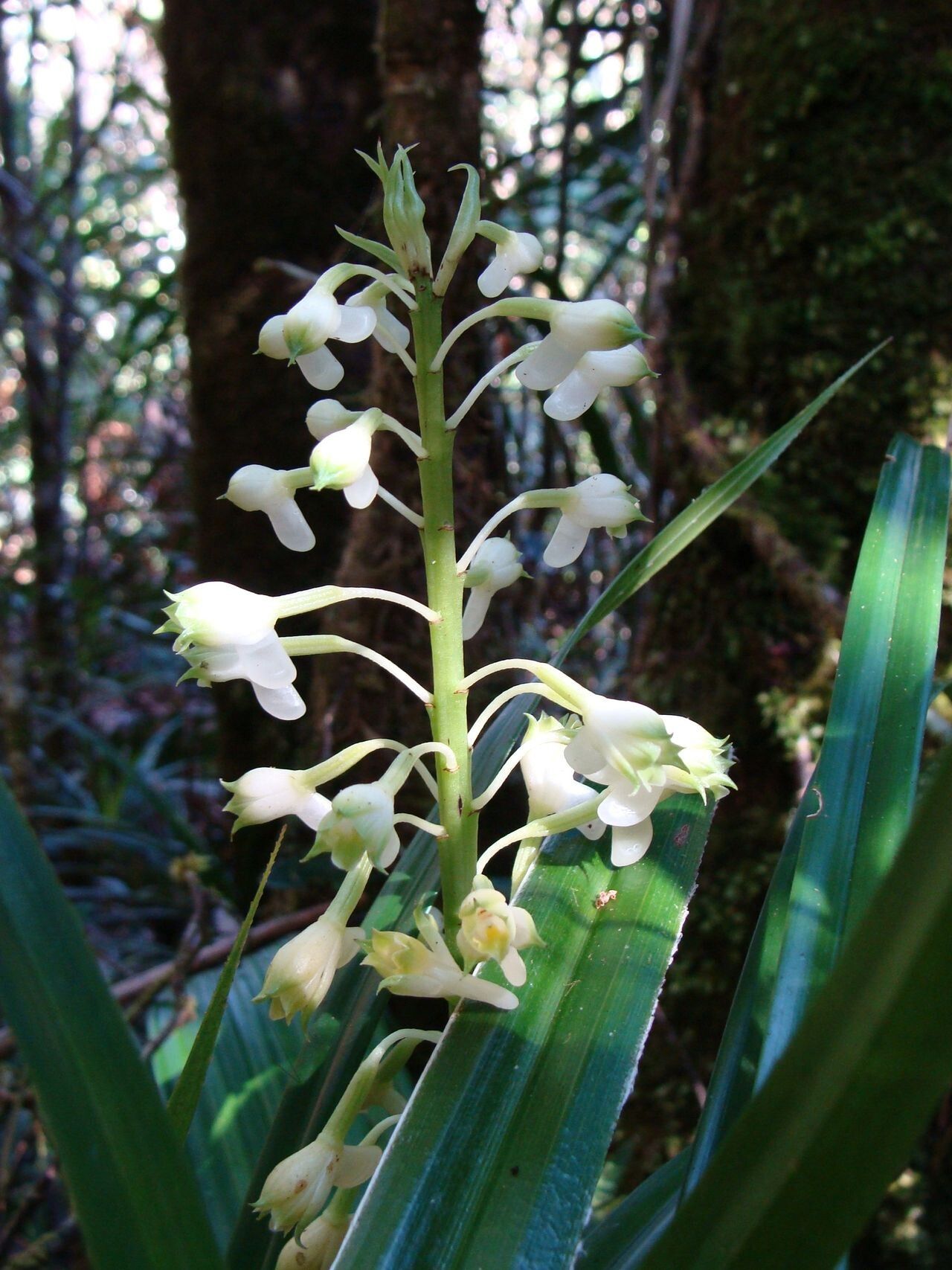
Propagating Calanthe balansae: A Gardener’s Guide
Introduction:
Calanthe balansae, sometimes called the “Balansae Calanthe,” is a captivating terrestrial orchid renowned for its elegantly drooping racemes of vibrant flowers, typically ranging in shades of pink, purple, and white. Its relatively easy cultivation compared to some other orchid species contributes to its growing popularity amongst orchid enthusiasts. However, while relatively easy to grow, propagation presents unique challenges. This article explores various methods for propagating this beautiful orchid, weighing their viability and offering practical advice.
Seed Germination:
Currently, there are no known reliable methods for seed germination propagation of Calanthe balansae. Orchid seeds are notoriously tiny and lack the endosperm necessary for germination without symbiotic mycorrhizal fungi. Establishing this symbiotic relationship in a controlled horticultural setting for Calanthe balansae has proven difficult, making seed germination an impractical method for the average gardener.
Cuttings:
Calanthe balansae does not propagate readily from cuttings. Unlike some plants that can regenerate from stem or leaf cuttings, this orchid lacks the capacity for adventitious root or shoot formation from severed plant parts. Therefore, this propagation method is not viable.
Division:
Division is the most practical and successful method for propagating Calanthe balansae. This involves separating the mature plant’s pseudobulbs into smaller clumps, each containing several pseudobulbs and healthy roots.
Challenges: The success of division depends on the health and maturity of the parent plant. Dividing a plant that is too small or stressed will weaken it and may not result in successful propagation of the divisions. Care must also be taken to avoid damaging the roots during separation.
Practical Tips: The best time to divide is during the dormant period, typically after flowering. Use a sharp, clean knife or shears to divide the rhizome, ensuring each division has a good root system and several pseudobulbs. Plant the divisions in a well-draining potting mix suitable for orchids, keeping the planting depth similar to the original.
Rewards: Division offers the quickest and most reliable method for increasing the number of Calanthe balansae plants. It also preserves the genetic characteristics of the parent plant.
Tissue Culture:
Tissue culture is a viable, albeit technically demanding, method for propagating Calanthe balansae. This laboratory-based technique involves growing plantlets from small sections of plant tissue in a sterile, nutrient-rich medium.
Challenges: Tissue culture requires specialized equipment, a sterile environment, and a thorough understanding of plant tissue culture techniques. Contamination can easily ruin an entire batch, and maintaining sterile conditions throughout the process is crucial. It can also be an expensive method.
Practical Tips: Successful tissue culture requires expertise in aseptic techniques and the preparation of specific media. Experienced growers and commercial orchid labs are best equipped to handle this method.
Rewards: Tissue culture allows for mass propagation, resulting in a large number of genetically identical plants. This is particularly valuable for preserving rare or desirable cultivars.
Conclusion:
Propagating Calanthe balansae presents a unique set of challenges. While seed germination and cuttings are not viable options, division offers a straightforward method accessible to the average home gardener. Tissue culture, though technically demanding, provides a way for larger-scale propagation, particularly important for preserving genetic diversity. The rewards of successfully growing this stunning orchid – its elegant flowers and relatively easy cultivation once established – far outweigh the challenges presented by propagation. For the aspiring propagator, patience and a willingness to learn are key. Start with division as the most accessible method, and with persistence, you’ll reap the rich rewards of cultivating this beautiful plant.