
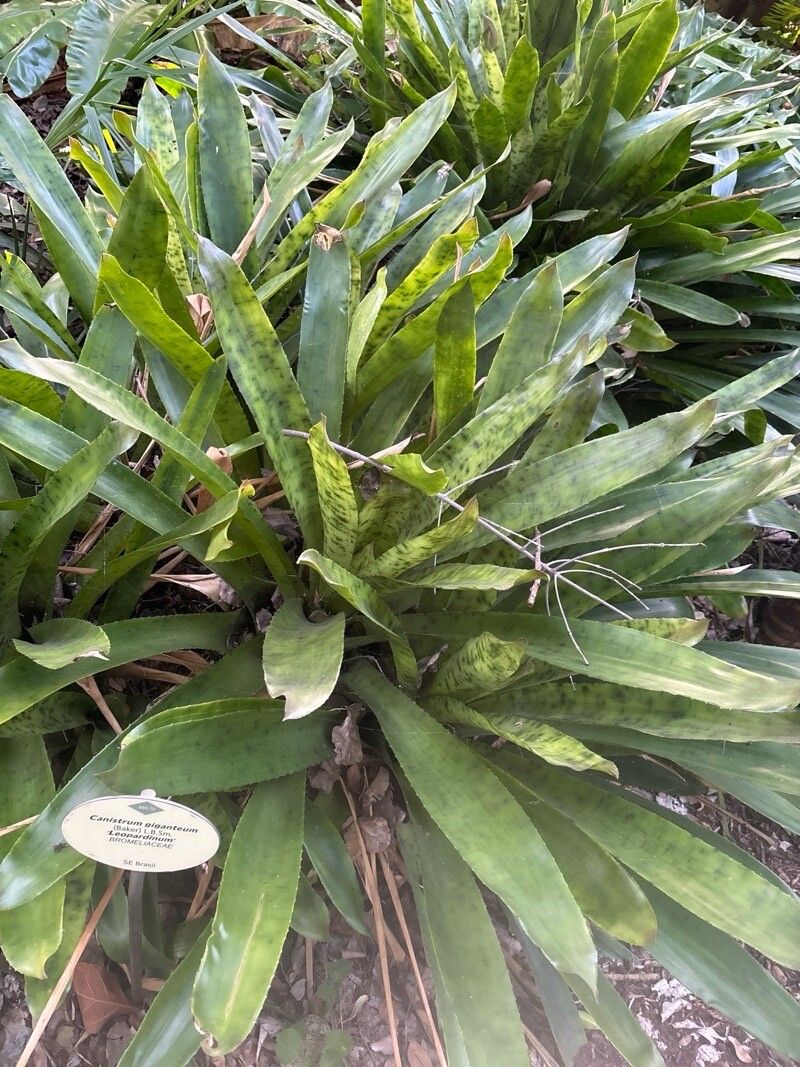
Propagating the Giant Bromeliad: A Guide to Wittrockia gigantea
Introduction:
Wittrockia gigantea, commonly known as the giant bromeliad, is a striking terrestrial bromeliad prized for its impressive size and vibrant foliage. Its large, rosette-forming leaves, often boasting a reddish-purple hue, create a captivating focal point in gardens and landscapes. Its relative rarity and unique characteristics make it a highly sought-after plant among bromeliad enthusiasts. However, propagating this species presents certain challenges, making successful cultivation a rewarding accomplishment. This article explores various propagation methods for Wittrockia gigantea, highlighting their successes, failures, and practical considerations.
Seed Germination:
Currently, there are no known reliable methods for seed germination propagation of Wittrockia gigantea. While the plant does produce seeds, germination rates are exceptionally low, even under controlled conditions. Factors contributing to this difficulty likely include the complex seed dormancy mechanisms and the specific environmental conditions required for successful germination, which haven’t yet been conclusively identified. Further research is necessary to determine if viable seed germination protocols can be developed.
Cuttings:
Cuttings are also not a reliably successful method for propagating Wittrockia gigantea. The plant does not readily produce suitable stem or leaf cuttings that can root easily. Attempts at propagation using leaf cuttings or stem sections have generally proven unsuccessful due to the lack of adventitious root formation.
Division:
Division is the most practical and reliable method for propagating Wittrockia gigantea. This involves separating offsets (pups) that develop at the base of the mother plant. These offsets, which are essentially miniature clones of the parent plant, are carefully removed during the growing season when they have developed a significant root system of their own.
Challenges: The main challenge with division lies in carefully separating the offsets without damaging the roots of either the parent plant or the offset. Forceful separation can lead to significant plant loss.
Practical Tips: Use a sharp, sterile knife or pruning shears to divide the offsets. Ensure each offset retains a good portion of its own root system. Plant the offsets in a well-draining bromeliad-specific potting mix, keeping them moist but not waterlogged.
Rewards: Division offers a relatively high success rate, allowing for the rapid multiplication of a desirable cultivar, preserving its genetic characteristics. It is also the method most likely to produce thriving plants.
Tissue Culture:
Tissue culture presents a potential yet complex approach for propagating Wittrockia gigantea. This laboratory-based method involves growing plant tissues in a sterile environment on a nutrient-rich medium.
Challenges: Establishing a successful tissue culture protocol for Wittrockia gigantea requires expertise in plant tissue culture techniques. Sterilization procedures, proper nutrient media selection, and optimal growth conditions are critical to success. The process is time-consuming, labor-intensive, and requires specialized equipment and facilities.
Practical Tips: This method is best left to experienced tissue culture laboratories.
Rewards: Tissue culture offers the potential for rapid, large-scale propagation and the possibility of generating disease-free plants.
Conclusion:
Propagating Wittrockia gigantea presents several challenges. While seed germination and cuttings are currently unreliable, division holds the greatest promise for successful propagation, offering a manageable and rewarding method for the dedicated home cultivator. Tissue culture provides a path for large-scale propagation, though it requires specialized skill and resources. The difficulties involved in cultivating this magnificent bromeliad only enhance the satisfaction of successful propagation, making each new plant a testament to patience, perseverance, and horticultural skill. For aspiring propagators, start with division—it’s the most accessible and effective approach to expanding your collection of these impressive plants. Remember to prioritize proper care post-propagation to ensure the healthy growth of your newly created giant bromeliads.