
Propagating Lobivia pugionacantha: A Guide to Cultivating this Striking Cactus
Introduction:
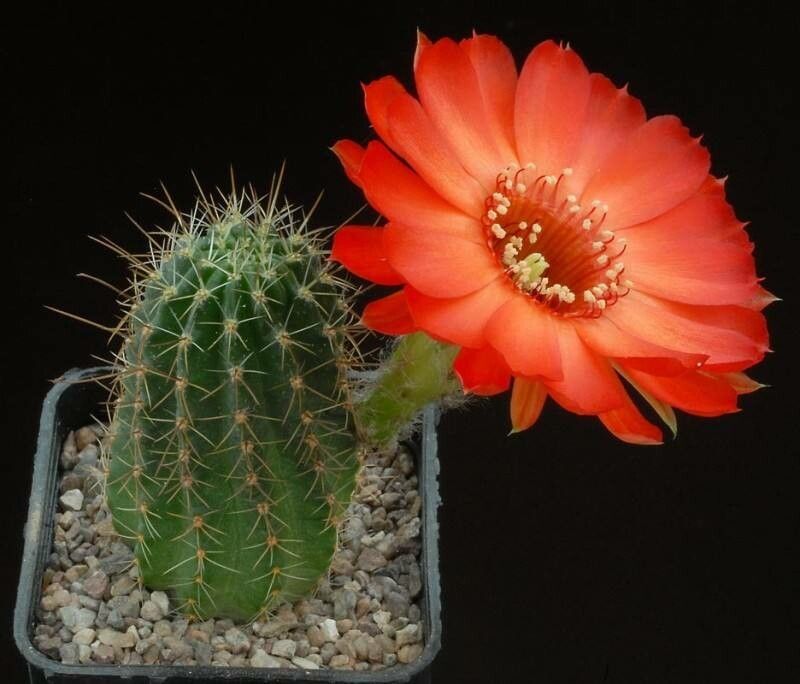
Lobivia pugionacantha, sometimes called the “Sword-Spined Lobivia,” is a captivating South American cactus prized for its striking, densely packed, needle-like spines and vibrant, often orange or red, flowers. Its relatively compact size and tolerance of some neglect makes it a popular choice among cactus enthusiasts, both beginners and experienced growers. However, propagation presents some unique challenges. This article explores various methods, outlining the advantages, disadvantages, and practical tips for successful reproduction of this beautiful species.
Seed Germination:
Seed germination is a viable method for propagating Lobivia pugionacantha, offering the reward of genetic diversity and the potential for large-scale propagation. However, challenges exist. Seeds require warm temperatures (around 20-25°C) and consistently moist conditions for germination. While not strictly required for all Lobivia species, a period of cold stratification (a few weeks at approximately 4°C) can improve germination rates by mimicking natural winter conditions.
Practical Tips: Sow seeds on a well-draining seed-starting mix (e.g., a cactus and succulent mix) in a shallow container. Ensure good ventilation to prevent fungal growth, a common problem with damp seedlings. Keep the soil consistently moist but not waterlogged. Gentle bottom watering is recommended. Germination can take several weeks to several months, depending on seed viability and conditions.
Rewards: Successful germination results in many genetically diverse seedlings, offering the opportunity to select for desirable traits like flower color and spine density.
Cuttings:
Cuttings are generally not a reliable method for propagating Lobivia pugionacantha. While some cacti can be successfully propagated from stem cuttings, Lobivia pugionacantha tends not to root readily from this method. Attempts often result in rotting before root formation occurs.
Division:
Division is a viable option, but only for mature plants that have developed substantial offsets (pups). These offsets, essentially smaller versions of the parent plant, can be carefully separated, allowed to callous over for a few days, and then planted in a well-draining cactus potting mix. The success rate is relatively high when done carefully, avoiding damage to the plant’s root system.
Practical Tips: Use a sharp, clean knife or shears to separate offsets. Ensure each offset has its own root system or a portion of root tissue for optimum survival rates. Plant the separated offsets in individual pots, avoiding overwatering immediately following division.
Rewards: Division provides a quicker and simpler way to increase the number of plants compared to seed germination and is a reliable method for clones of existing plants.
Tissue Culture:
Tissue culture is a technically demanding but highly efficient method for mass propagation of Lobivia pugionacantha. It allows for the rapid multiplication of genetically identical plants, minimizing the risk of failure. However, it requires specialized equipment, sterile working conditions, and knowledge of plant tissue culture techniques. This method is typically undertaken by nurseries or specialists.
Conclusion:
Propagating Lobivia pugionacantha presents a spectrum of challenges and rewards. Seed germination offers genetic diversity but necessitates patience and careful attention to detail. Division is a simpler method for mature plants with offsets. Cuttings are ineffective and tissue culture requires specialized skills and equipment. While each method presents unique hurdles, the satisfaction of nurturing a tiny seed into a flourishing plant, or successfully dividing a mature cactus, makes the effort worthwhile. The unique beauty and relative hardiness of Lobivia pugionacantha make the challenges of propagation a rewarding endeavor for any dedicated cactus enthusiast. Don’t be discouraged by initial setbacks; experimentation and patience are key to success.