
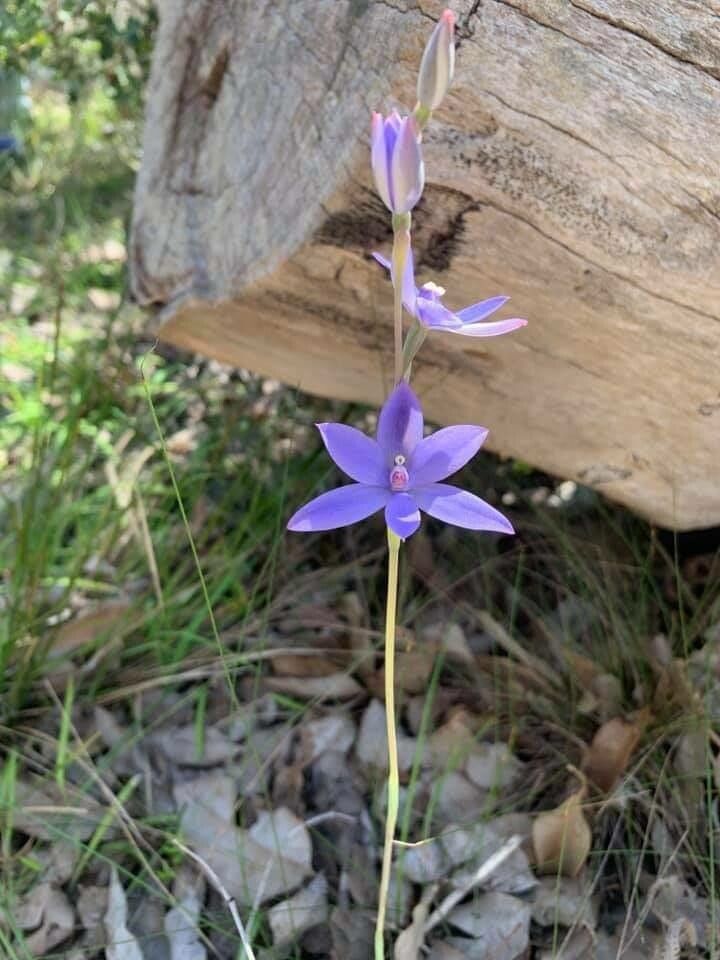
Propagating the Sun Orchid: Unveiling the Mysteries of Thelymitra macrophylla
Thelymitra macrophylla, commonly known as the Large-leaved Sun Orchid, is a captivating native Australian orchid prized for its striking, sun-loving nature and vibrant blooms. Its large, showy flowers, often displaying a rich purple or blue hue, make it a highly sought-after addition to any specialist orchid collection. However, propagating this beauty presents unique challenges, making successful cultivation a significant achievement for even experienced gardeners. This article explores the various propagation methods for Thelymitra macrophylla, weighing their merits and difficulties.
Seed Germination:
Currently, there are no known reliable methods for seed germination propagation of Thelymitra macrophylla. The seeds of many orchids, including Thelymitra species, are dust-like and require a highly specific symbiotic relationship with mycorrhizal fungi for germination. Establishing this symbiotic relationship in a controlled environment is exceptionally difficult, rendering seed germination a largely unsuccessful approach for this species at present. Further research into the specific fungal partners needed for Thelymitra macrophylla germination is required before this method becomes viable.
Cuttings:
Cuttings are not a viable method for propagating Thelymitra macrophylla. Orchids generally do not readily propagate from stem or leaf cuttings. The complex physiology of orchids, including their dependence on mycorrhizal fungi for nutrient uptake, makes vegetative propagation through cuttings highly unlikely to succeed.
Division:
Division is the most practical and successful method for propagating Thelymitra macrophylla. This involves carefully separating established plants into smaller divisions, each containing sufficient roots and shoots. This method is best undertaken during the plant’s dormant period, typically after flowering.
Challenges: The success of division hinges on careful handling to avoid damaging the delicate roots. Each division needs a substantial root system to ensure successful establishment. Over-division can weaken the parent plant and the resulting divisions, leading to failure.
Tips: Use a sharp, sterile knife or spade to divide the plant. Handle the divisions gently, ensuring each retains a significant portion of the root mass. Replant the divisions into a well-draining, orchid-specific potting mix, ensuring adequate moisture retention without waterlogging.
Rewards: Division ensures the propagation of genetically identical plants, maintaining desirable characteristics. It allows for relatively quick increases in the number of plants, thus making it suitable for larger scale propagation within limits.
Tissue Culture:
Tissue culture offers a potential, albeit complex and specialized, method for propagating Thelymitra macrophylla. This laboratory technique involves growing plant tissues in a sterile, nutrient-rich medium.
Challenges: Successful tissue culture requires specialized equipment, a sterile lab environment, and significant expertise in orchid propagation techniques. Developing the optimal growth medium and protocols specific to Thelymitra macrophylla requires substantial research and experimentation. The process is also typically expensive and time-consuming.
Tips: This method is not recommended for home gardeners. It’s best left to specialized labs or nurseries with extensive experience in orchid tissue culture.
Rewards: Tissue culture offers the potential for large-scale propagation and the preservation of valuable genetic material. It could overcome the limitations of seed germination and allow for the propagation of rare or endangered clones.
Conclusion:
Propagating Thelymitra macrophylla presents unique challenges, particularly when considering seed germination and cuttings which currently lack viable methods. Division offers the most practical approach for amateur growers, although careful technique is required. Tissue culture provides a more advanced and perhaps ultimately more efficient method but requires significant resources and expertise. Despite the difficulties, the reward of successfully cultivating this stunning orchid is richly satisfying. The ability to nurture a single plant into a thriving colony allows the grower to appreciate the intricacy of this species and underscores the dedication needed for successful orchid cultivation. Aspiring propagators should begin with division, mastering this technique before tackling more challenging methods like tissue culture. With patience, meticulous care, and a touch of orchid magic, the breathtaking beauty of the Large-leaved Sun Orchid can be shared and enjoyed.