
Propagating the Balkan Jewel: A Guide to Cultivating Wulfenia baldaccii
Introduction
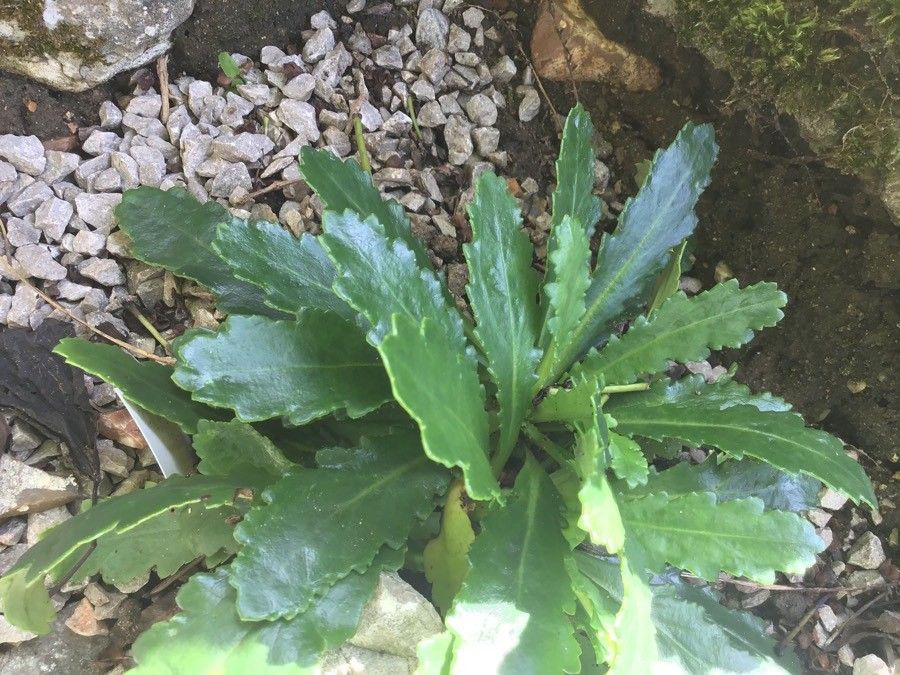
Wulfenia baldaccii, also known as the Balkan Wulfenia, is a captivating alpine perennial prized for its striking, vibrant blue-violet flowers. This relatively rare plant, native to the Balkan Peninsula, boasts a unique rosette of lanceolate leaves and tall, elegant flower spikes that grace the garden from late spring to early summer. Its beauty and relative scarcity have made it a highly sought-after plant among discerning gardeners, making propagation a topic of significant interest. However, Wulfenia baldaccii presents unique challenges in propagation, making success a rewarding accomplishment.
Seed Germination
Currently, there are no known reliable methods for seed germination propagation of Wulfenia baldaccii. While seeds may be produced, germination rates are extremely low, and successful seedling establishment is exceedingly difficult even under controlled conditions. Further research is needed to determine optimal germination techniques, potentially involving specific stratification protocols or hormonal treatments.
Cuttings
Propagating Wulfenia baldaccii from cuttings presents considerable challenges. Several attempts have shown low success rates. The plant’s physiology appears to make it resistant to rooting from cuttings, likely due to its slow growth and specialized adaptation to its native habitat. Therefore, while theoretically possible, propagating this species from cuttings is currently unreliable and not recommended for the average gardener.
Division
Division offers the most promising and reliable method for propagating Wulfenia baldaccii. This technique involves carefully separating established plants into smaller sections, each containing sufficient roots and growing points. It is crucial to proceed with utmost care, as the roots are delicate and easily damaged.
Challenges: The plant’s relatively slow growth and compact root system limit the frequency of successful division. Divisions should only be attempted in early spring or autumn, when the plant is actively growing but not under stress from extreme temperatures.
Practical Tips: Use a sharp, sterilized knife or spade to sever the root ball. Handle the divisions gently and replant them immediately into well-draining, humus-rich soil in a location mimicking its native alpine environment – cool, moist, and partially shaded.
Rewards: Division offers a reliable way to increase the number of plants without sacrificing genetic diversity. This technique ensures the propagation of healthy, established plants, offering higher success rates compared to other methods.
Tissue Culture
Tissue culture may potentially offer a viable method for the mass propagation of Wulfenia baldaccii in a controlled environment. However, this technique requires specialized laboratory equipment, expertise, and sterilisation protocols, making it impractical for the average home gardener. While it offers the potential for large-scale multiplication, it also carries the risk of contamination and requires considerable investment.
Conclusion
Propagating Wulfenia baldaccii presents a unique challenge, highlighting the need for respect and understanding of this plant’s specific requirements. While seed germination and cuttings prove difficult, division offers the most reliable method for the hobbyist. Tissue culture holds promise for future mass propagation, but remains a specialized approach. The rewards – the unique fulfillment of cultivating this exquisite Balkan Jewel – are well worth the effort and patience required. If you are prepared to invest time, care, and respect in its propagation, the successful cultivation of Wulfenia baldaccii will be an immensely satisfying experience. Remember, even with the most reliable method, patience is key. This species thrives on slow, deliberate growth, mirroring the rewarding journey of its propagation.