
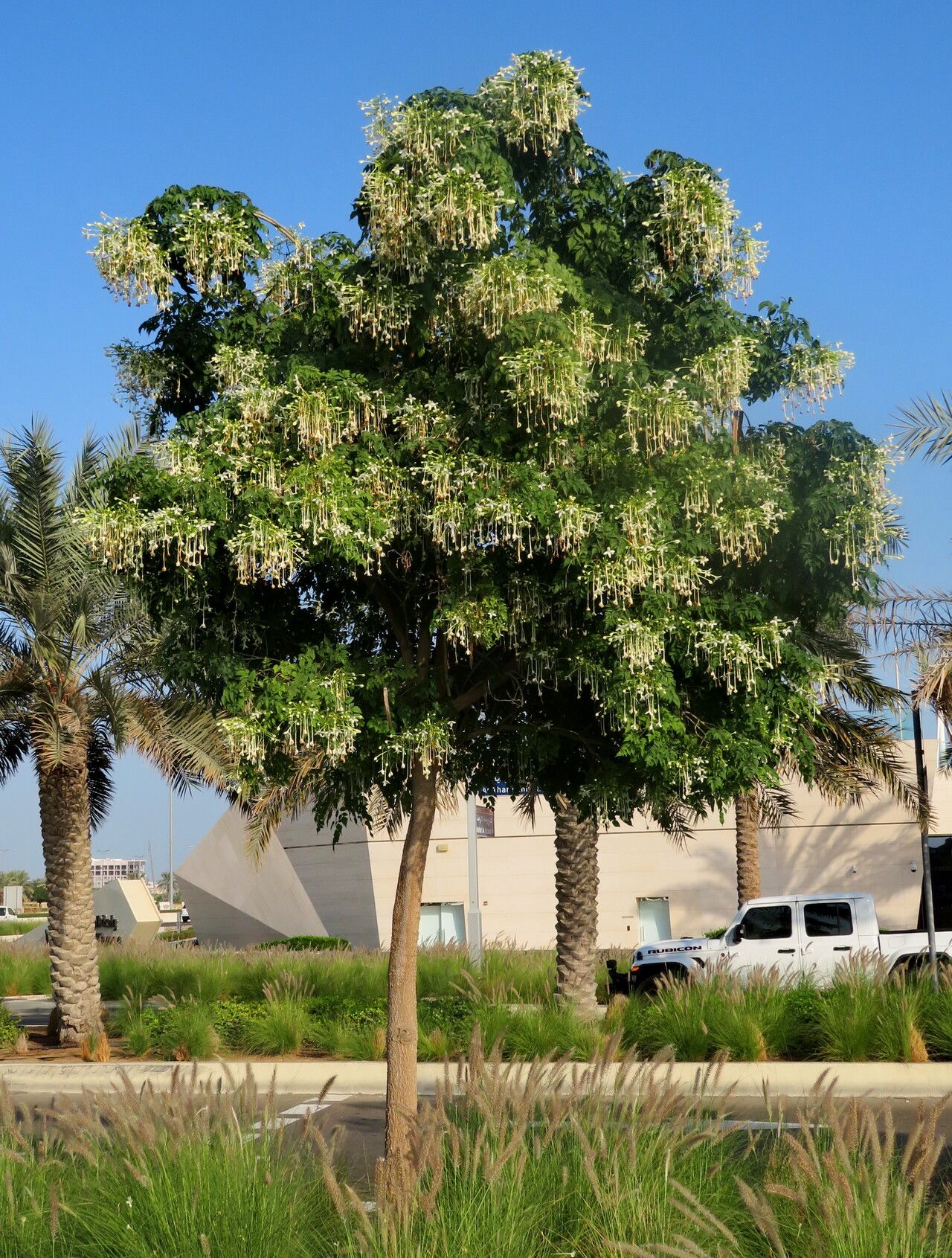
Propagating the Indian Cork Tree: A Gardener’s Guide to Millingtonia hortensis
Millingtonia hortensis, commonly known as the Indian Cork Tree, is a striking ornamental tree prized for its fragrant, jasmine-like flowers and graceful, feathery foliage. Its popularity among gardeners stems from its relatively fast growth, adaptability to various climates (though it prefers warmer regions), and the sheer beauty of its blooms, which often adorn it for extended periods. However, propagating this elegant tree presents unique challenges, making successful propagation a rewarding experience for plant enthusiasts.
Seed Germination:
Currently, there are no known reliable methods for seed germination propagation of Millingtonia hortensis. While seeds may be produced, their viability is notoriously low, and germination rates are exceptionally poor even under ideal conditions. Research into germination techniques has yielded limited success, suggesting that other propagation methods are far more practical for gardeners.
Cuttings:
Cuttings offer a significantly more reliable method for propagating Millingtonia hortensis.
Challenges: Success hinges on selecting the right type of cutting and providing optimal conditions. Semi-hardwood cuttings taken from new growth in late spring or early summer generally yield the best results.
Practical Tips: Cuttings should be approximately 4-6 inches long, with the lower leaves removed to minimize water loss. The base of the cutting should be dipped in a rooting hormone before planting in a well-draining medium, such as a mix of perlite and vermiculite. Maintaining consistent moisture and humidity (using a humidity dome or plastic bag) is crucial for encouraging root development. A warm and bright location, but out of direct sunlight, is ideal.
Rewards: Cuttings offer a simple method to create genetically identical copies of a desirable parent plant, preserving its specific characteristics. The process is relatively straightforward and allows for efficient propagation of multiple plants.
Division:
Division is not a practical method for propagating Millingtonia hortensis. This tree typically develops a single, strong taproot, making division extremely difficult and damaging to the plant.
Tissue Culture:
Tissue culture offers a potentially highly efficient method for the mass propagation of Millingtonia hortensis.
Challenges: This technique requires specialized equipment, a sterile environment, and a detailed understanding of plant tissue culture protocols. It is a more complex and expensive method than cuttings.
Practical Tips: Successful tissue culture requires the use of appropriate growth media, plant hormones, and a carefully controlled environment to stimulate shoot and root formation. Specialized laboratories or experienced personnel are usually required.
Rewards: Tissue culture allows for the rapid multiplication of superior clones, disease-free plants, and potentially the preservation of rare or endangered genotypes in large numbers.
Conclusion:
The propagation of Millingtonia hortensis presents a unique set of challenges. While seed germination proves unreliable, cuttings offer a manageable and relatively successful approach for most gardeners. Tissue culture, although more complex and resource-intensive, provides the potential for large-scale production. The rewards of successfully nurturing these magnificent trees, from the delicate fragrant flowers to its imposing stature, more than compensate for the initial difficulties. The feeling of accomplishment from propagating this beautiful tree, especially through cuttings, is truly fulfilling. For aspiring propagators, don’t be discouraged by the initial hurdles; perseverance and patience will eventually lead to the flourishing of your own Indian Cork Trees.