
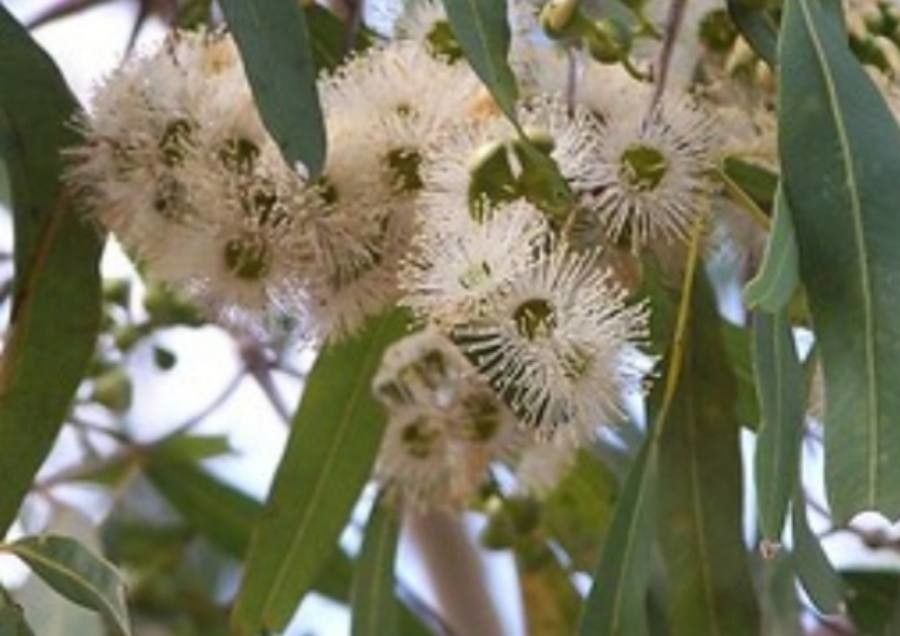
Propagating the Ghost Gum: A Guide to Growing Corymbia tessellaris
Introduction:
Corymbia tessellaris, commonly known as the Ghost Gum, is a striking Australian native tree prized for its distinctive smooth, mottled bark that peels to reveal creamy white or pale grey underlayers. Its open, graceful habit and attractive foliage make it a popular choice among gardeners, particularly in warmer climates. However, propagation isn’t always straightforward, requiring understanding across several methods. The unique challenge lies in balancing the inherent resilience of the species with the specific requirements for each propagation technique.
Seed Germination:
Seed germination is a viable method for propagating Corymbia tessellaris, although it presents several challenges. The primary hurdle is the hard seed coat, which can hinder water uptake and germination. Successful germination often requires pre-treatment to scarify the seed coat. This can be achieved through mechanical means (like gently nicking the seed coat with sandpaper) or by soaking seeds in boiling water for a short period (approximately 30 seconds) followed by a 24-hour soak in warm water.
Challenges: Low germination rates are common even with scarification. Seed viability can also be affected by storage conditions.
Practical Tips: Sow seeds in a well-draining seed-starting mix, keeping the medium consistently moist but not waterlogged. Warm temperatures (20-25°C) are ideal. Germination can take several weeks, sometimes extending to months.
Rewards: Seed propagation offers high genetic diversity, crucial for maintaining resilience in the population. This method is also suitable for large-scale propagation, ideal for nurseries or landscape projects.
Cuttings:
Cuttings are generally considered a less reliable method for propagating Corymbia tessellaris. While some success has been reported using semi-hardwood cuttings taken in late spring or early summer, the rooting success rate tends to be low.
Challenges: Low rooting percentage, susceptibility to fungal diseases during propagation.
Practical Tips: Use a rooting hormone, maintain high humidity, and keep the cutting medium consistently moist. The success rate may be improved with mist propagation.
Rewards: If successful, cuttings can replicate the parent plant’s characteristics faithfully, leading to a quicker production timeline compared to seed propagation.
Division:
Division is not a practical method for propagating Corymbia tessellaris. This species forms a single, relatively deep taproot, making division extremely difficult and damaging to the plant.
Tissue Culture:
Tissue culture is a viable method for propagating Corymbia tessellaris. It allows for rapid mass propagation of superior genotypes and offers control over disease. However, it requires specialized equipment, skills, and sterile conditions, making it costly and inaccessible to the average home gardener.
Challenges: Requires specialized expertise, equipment, and laboratories, rendering it expensive.
Practical Tips: Proper sterilization and careful management of nutrient media is crucial.
Rewards: This method produces many genetically identical plants quickly and is free of many diseases common in field-grown plants.
Conclusion:
Propagating Corymbia tessellaris presents unique challenges depending on the chosen method. Seed germination offers the most accessible route to propagation but requires patience and attention to detail; cuttings offer a faster approach but have lower success rates. Division is impractical, and tissue culture is the most reliable but significantly more expensive undertaking.
Successfully cultivating a Ghost Gum from seed or cutting, despite the difficulties, brings a profound sense of satisfaction. The elegant tree, a testament to perseverance and horticultural skill, will stand as a rewarding symbol of your dedication. Aspiring propagators are encouraged to start with seed, armed with patience and the knowledge to overcome the challenges involved. Regardless of the method, remember that successful propagation requires meticulous attention to detail and a deep understanding of the plant’s needs.