
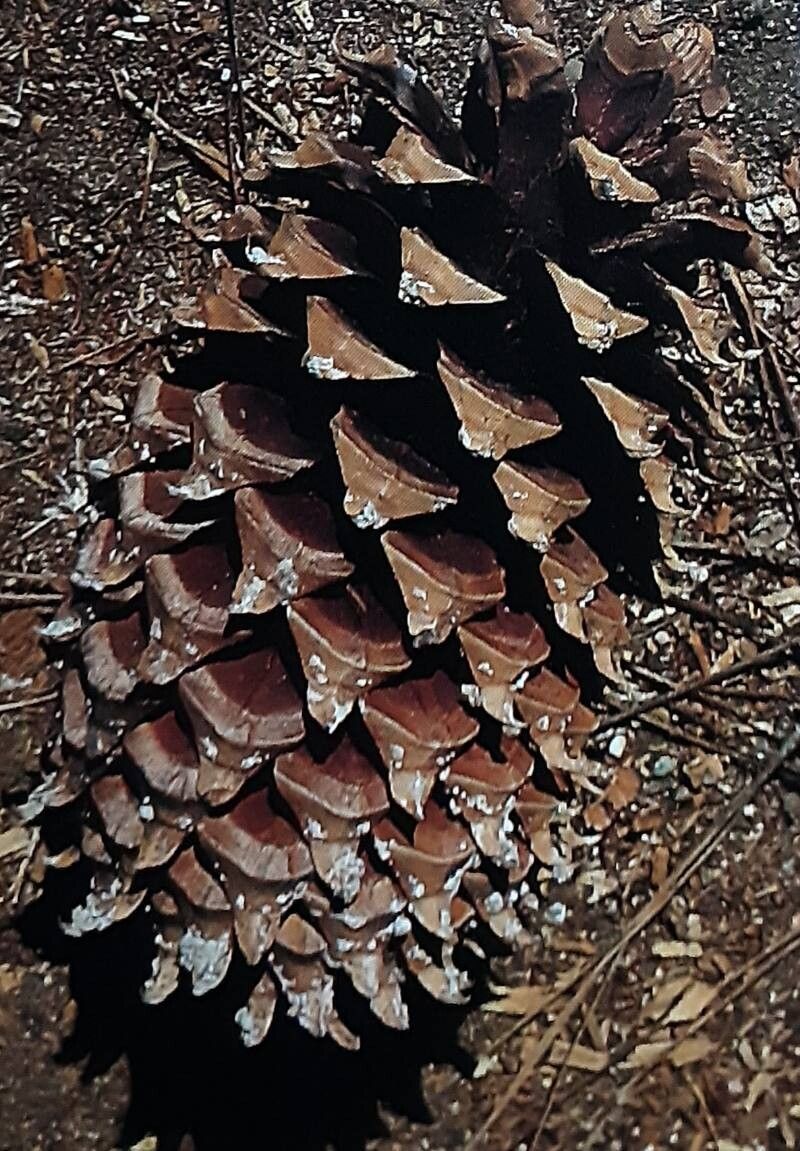
Propagating the Big-cone Pine (Pinus coulteri): A Gardener’s Challenge
Introduction:
Pinus coulteri, commonly known as the big-cone pine, is a majestic conifer native to California and Baja California. Its defining characteristic, as its name suggests, is its exceptionally large cones, often reaching lengths of up to 18 inches! These impressive cones, along with its rugged beauty and adaptability to drought conditions, make it a prized specimen for gardeners, particularly those with larger properties. However, propagating this impressive tree presents unique challenges, requiring patience and a degree of horticultural expertise. Its popularity amongst gardeners is tempered by the difficulty of propagation, making successful cultivation particularly rewarding.
Seed Germination:
Seed germination is a viable, though challenging, method for propagating Pinus coulteri. The primary challenge lies in the hard seed coat, which necessitates stratification – a period of cold, moist treatment to break dormancy.
Challenges: Thick seed coats hinder water uptake, and germination rates can be low even with proper stratification. Seed predation by rodents and insects may also impact success.
Practical Tips: Collect mature cones in late autumn or winter. Extract the seeds and then stratify them for 3-4 months in moist peat moss or vermiculite at temperatures between 33-41°F (0.5 -5°C). Sow the stratified seeds in well-draining, slightly acidic soil in spring. Use a germination tray with good ventilation to reduce fungal growth.
Rewards: Seed germination offers the greatest potential for genetic diversity, allowing the propagation of many individuals with different traits. This method also lends itself to large-scale propagation, especially for reforestation or landscape projects.
Cuttings:
Currently, there are no known reliable methods for propagating Pinus coulteri from cuttings. The species has a notoriously low success rate when attempting vegetative propagation through cuttings, primarily due to its difficulty in rooting.
Division:
Division is not a feasible propagation method for Pinus coulteri. This tree possesses a deep, established taproot system which makes division impossible without causing severe damage and killing the plant.
Tissue Culture:
While tissue culture offers potential, it’s a complex and specialized technique not readily accessible to the average gardener.
Challenges: Establishing sterile cultures and finding the right hormonal balances for shoot multiplication and rooting are significant technical hurdles. Specialized equipment and expertise are required.
Practical Tips: This method is best left to researchers and nurseries specializing in conifer propagation.
Rewards: Tissue culture allows for rapid multiplication of desirable genotypes and the production of disease-free plants. However, the high initial investment and specialized knowledge make it impractical for most home propagators.
Conclusion:
Propagating Pinus coulteri presents significant challenges, with seed germination being the most accessible, albeit still difficult, method. Cuttings and division are impractical, while tissue culture requires expertise beyond the average hobbyist. The rewards, however, are considerable: the chance to cultivate this magnificent tree, contributing to its conservation and enjoying the unique satisfaction of overcoming a significant horticultural challenge. The hardiness and beauty of the mature tree coupled with successful propagation represents a satisfying culmination of effort and knowledge. Aspiring propagators should start with seed germination, employing careful stratification techniques and patience. Don’t be discouraged by initial failures; the eventual success will be all the more rewarding.