
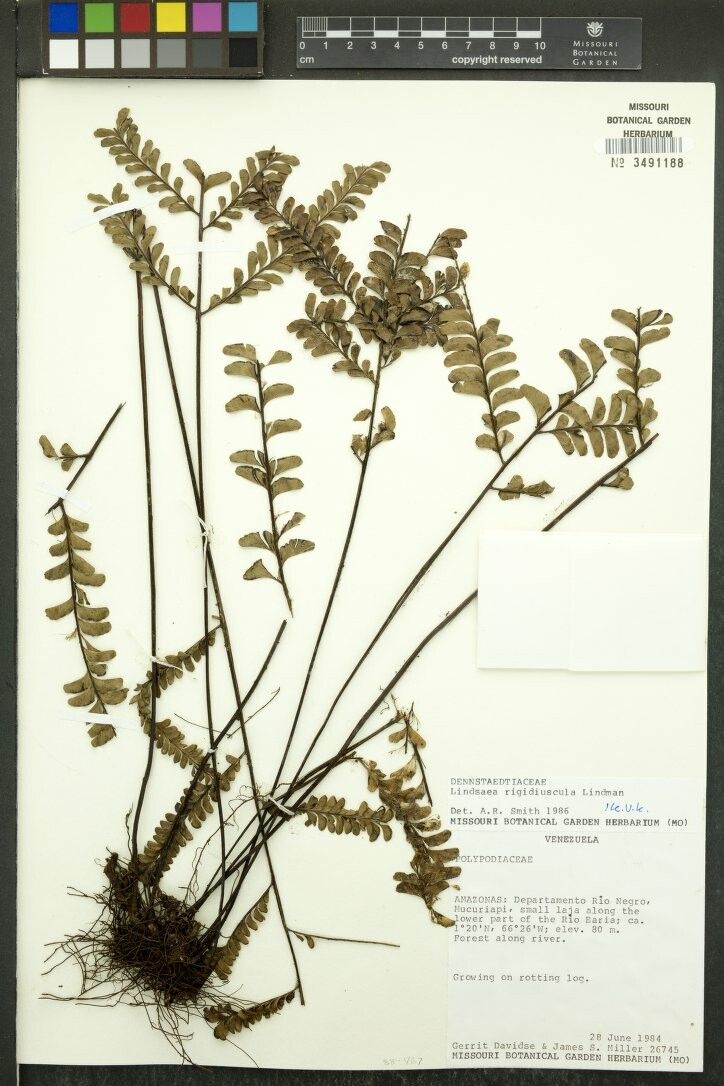
Propagating Lindsaea rigidiuscula: A Challenging but Rewarding Endeavor
Lindsaea rigidiuscula, commonly known as the rigid tassel fern, is a captivating fern prized for its delicate, finely divided fronds and upright growth habit. Its attractive appearance makes it a sought-after addition to terrariums, shaded gardens, and indoor plant collections. However, its propagation presents unique challenges, making successful cultivation a rewarding achievement for dedicated plant enthusiasts. This article explores various propagation methods for Lindsaea rigidiuscula, analyzing their viability and offering practical guidance.
Seed Germination:
Currently, there are no known reliable methods for seed germination propagation of Lindsaea rigidiuscula. While some ferns reproduce via spores (which function similarly to seeds), Lindsaea rigidiuscula spore germination is notoriously difficult even for experienced fern propagators. The extremely small size of the spores, their sensitivity to environmental conditions (particularly humidity and contamination), and the slow germination rate contribute to a very low success rate. Further research into specific germination requirements is needed.
Cuttings:
Cuttings are also not a viable method for propagating Lindsaea rigidiuscula. This fern lacks the ability to regenerate from leaf or stem cuttings. Unlike some plants that can form adventitious roots from cut sections, this fern’s growth relies on its rhizome system.
Division:
Division is the most reliable and practical method for propagating Lindsaea rigidiuscula. This involves carefully separating the rhizome into sections, each containing several healthy fronds and established roots.
- Challenges: The rhizome is relatively fragile, and careless handling can easily damage it, preventing successful regrowth. Overly small divisions may struggle to establish themselves.
- Practical Tips: Sterilize tools before dividing to prevent fungal infections. Divide the rhizome using a sharp, clean knife or shears. Ensure each division has healthy roots and multiple fronds. Plant divisions in a well-draining, moisture-retentive substrate suitable for ferns, such as a mix of peat moss, perlite, and orchid bark. Maintain high humidity and consistent moisture following division.
- Rewards: Division offers a relatively straightforward approach, resulting in genetically identical offspring. It allows for the multiplication of desirable specimens without the uncertainties inherent in other methods.
Tissue Culture:
Tissue culture offers the potential for large-scale propagation of Lindsaea rigidiuscula, overcoming the limitations of other methods. However, it’s a highly specialized technique requiring specific laboratory equipment, sterile working conditions, and expertise in plant tissue culture protocols.
- Challenges: Establishing sterile cultures, selecting appropriate growth media and hormones, and managing potential contamination require significant skill and resources.
- Practical Tips: This method is best left to specialists in plant tissue culture laboratories. Aspiring propagators should seek guidance from experienced professionals or utilize commercial tissue culture services.
- Rewards: Tissue culture offers the possibility of mass-producing genetically uniform plants, ideal for commercial cultivation or conservation programs. It also holds the potential to rescue rare or endangered specimens.
Conclusion:
Propagating Lindsaea rigidiuscula presents challenges, with division emerging as the most feasible method for hobbyists. While seed germination and cuttings are currently impractical, tissue culture offers a powerful tool for large-scale propagation, though it requires specialized expertise. The patience and attention to detail required for successful propagation are significant, but the satisfaction of nurturing a tiny rhizome section into a thriving plant is a rewarding experience. Don’t be discouraged by initial setbacks; the rewards of successfully cultivating this beautiful fern far outweigh the difficulties involved. Experimentation, careful observation, and a bit of perseverance are key ingredients for success.