
Propagating Populus × tomentosa: A Gardener’s Guide to the Chinese Poplar
Introduction:
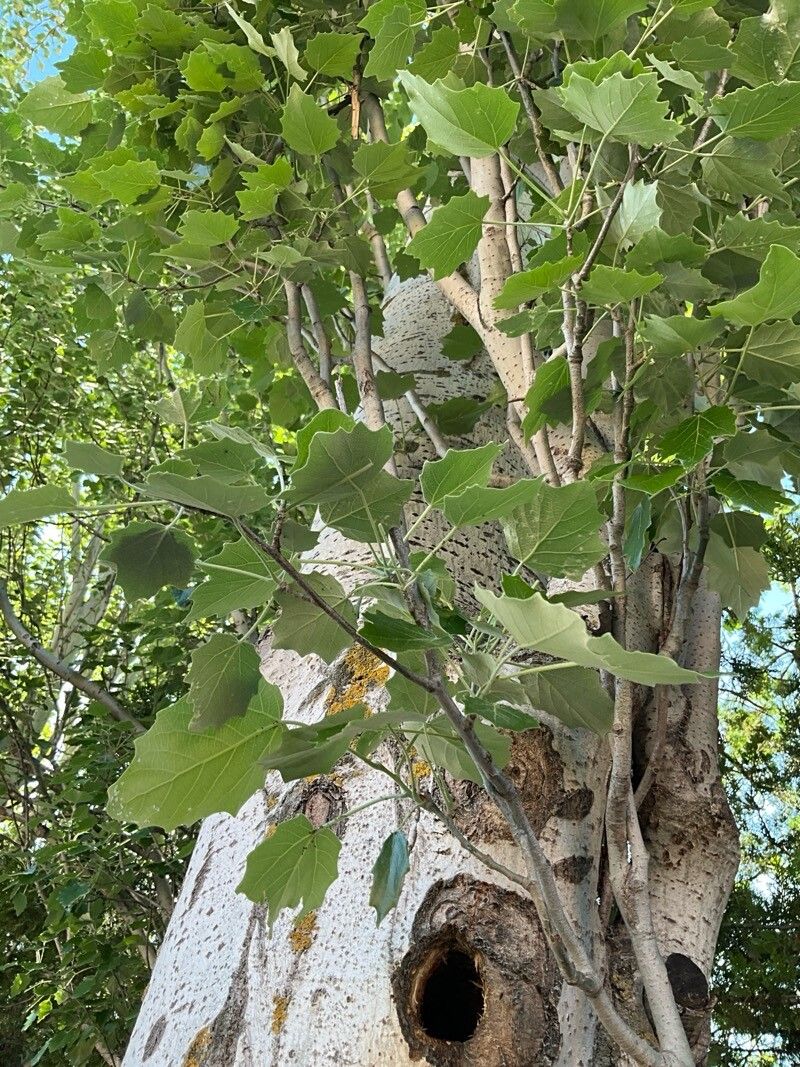
Populus × tomentosa, commonly known as the Chinese Poplar or Chinese White Poplar, is a fast-growing hybrid poplar tree prized for its striking appearance and adaptability. Its heart-shaped leaves, covered in soft, white hairs, give it a distinctive velvety texture, while its rapid growth makes it a popular choice for landscaping and windbreaks. However, its hybrid nature presents unique challenges when it comes to propagation. Unlike some species that readily reproduce from seed, Populus × tomentosa presents certain obstacles. This article explores various propagation methods, highlighting their successes and challenges.
Seed Germination:
Currently, there are no known reliable methods for seed germination propagation of Populus × tomentosa. The hybrid nature of the tree, along with potential sterility issues, makes seed-based propagation largely ineffective. Attempts at germination often result in low success rates and weak seedlings, even with optimal conditions.
Cuttings:
Cuttings represent a significantly more viable method for propagating Populus × tomentosa. Hardwood cuttings, taken in late autumn or winter from dormant branches, are generally preferred.
Challenges: The success rate can vary depending on factors like the timing of the cutting, the quality of the parent plant, and the conditions provided. Properly preparing the cuttings is crucial to avoid fungal infections.
Practical Tips: Cuttings should be about 10-15cm long, with at least two nodes. The lower leaves should be removed, and a rooting hormone can significantly increase the success rate. Plant the cuttings in a well-draining potting mix, maintaining consistently moist but not waterlogged conditions. A humid environment (e.g., a propagator) or misting can also improve rooting.
Rewards: Cuttings offer a reliable method for creating genetically identical clones of a desirable parent plant, preserving its specific characteristics. This method also allows for relatively quick propagation compared to other methods.
Division:
Division is generally not a practical method for propagating Populus × tomentosa. This tree develops a deep and extensive root system, making it difficult and impractical to divide successfully without severely damaging the plant.
Tissue Culture:
Tissue culture offers a potential, albeit more technically challenging, method for propagating Populus × tomentosa.
Challenges: Establishing a sterile environment and mastering the specific nutrient and hormone requirements for successful shoot and root development is complex and requires specialized equipment and expertise. Contamination remains a major hurdle.
Practical Tips: Success requires a controlled laboratory environment, precise nutrient media formulations, and aseptic techniques. This method is best suited for larger-scale propagation or specialized nurseries.
Rewards: Tissue culture enables the propagation of large numbers of genetically identical plants from a small amount of source material. It also offers the potential for disease elimination and genetic improvement.
Conclusion:
Propagating Populus × tomentosa presents unique challenges. While seed germination is largely unsuccessful, cuttings offer a viable and relatively straightforward option for the home gardener, albeit with some effort required for successful rooting. Tissue culture provides a route for larger-scale and potentially disease-free propagation but requires specialized skills and resources. Mastering any propagation method for this tree offers a real sense of accomplishment; the reward is a stunning addition to your landscape. The initial difficulties are outweighed by the satisfying sight of a Chinese Poplar flourishing, testament to dedication and horticultural skill. For aspiring propagators, a patient approach, careful attention to detail, and persistence will yield the best results. Remember to select healthy, vigorous parent plants, utilizing sharp, clean tools, and meticulously following the appropriate techniques for the chosen method.