
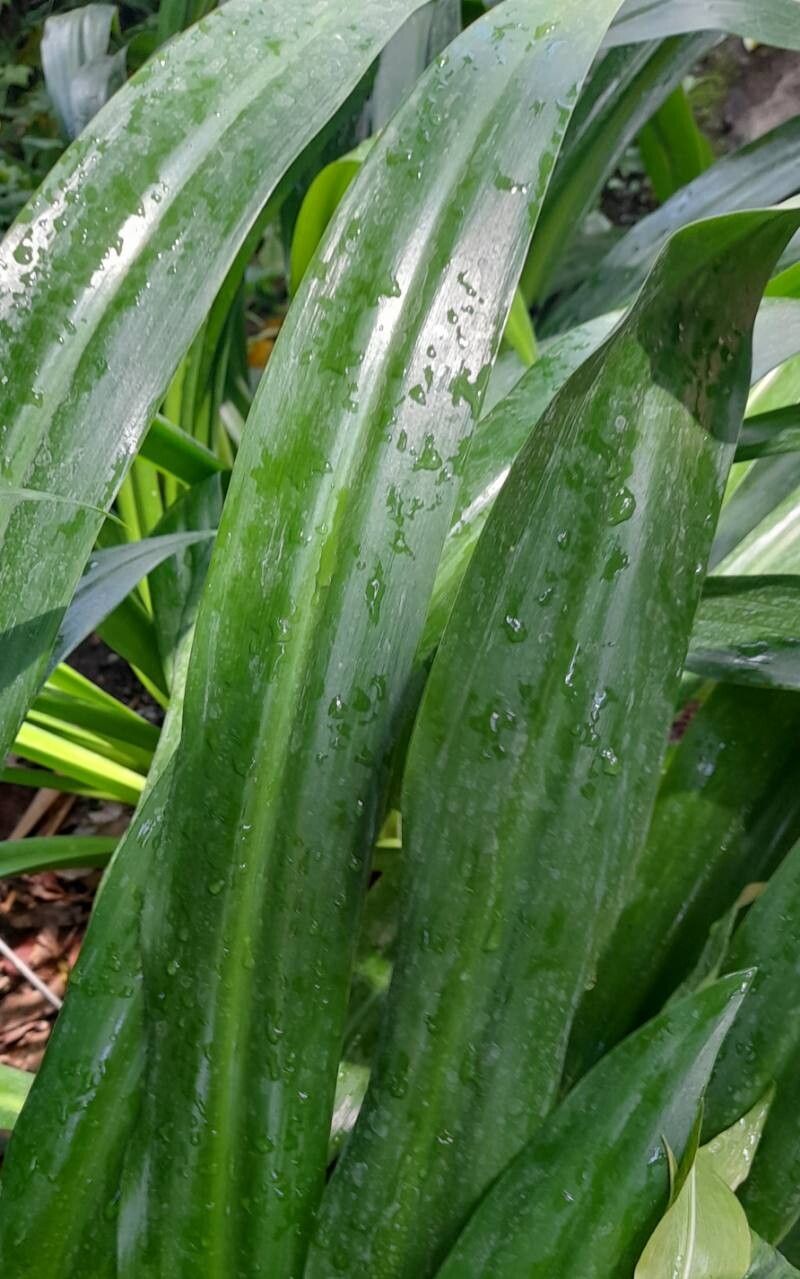
Propagating the Sweet-Scented Spider-Lily: Hymenocallis harrisiana
Hymenocallis harrisiana, also known as the Sweet-Scented Spider-Lily, is a captivating bulbous perennial prized for its elegant, spidery white flowers with a captivating fragrance. Its graceful, strap-like leaves form attractive clumps, making it a desirable addition to any garden showcasing its beauty from late spring to early summer. Its relative ease of cultivation and stunning blooms have contributed to its popularity among gardeners, but propagation can present unique challenges.
Seed Germination:
Currently, there are no known reliable methods for seed germination propagation of Hymenocallis harrisiana. While the plant does produce seeds, germination rates are exceptionally low, and successful seedlings are rarely reported. Further research is needed to determine if suitable techniques (such as specific temperature and humidity control, or pre-treatment methods) can improve germination success.
Cuttings:
Hymenocallis harrisiana is not readily propagated from cuttings. The plant lacks the ability to easily root from stem or leaf cuttings. Attempts at this method typically result in failure due to the lack of adventitious root formation.
Division:
Division is the most reliable and commonly used method for propagating Hymenocallis harrisiana. This involves carefully separating offsets (small bulbs) that naturally form around the mother bulb.
Challenges: Successfully dividing Hymenocallis harrisiana requires careful handling to avoid damaging the bulbs, which are somewhat fragile. Timing is crucial; division is best performed during the plant’s dormant period (typically late summer or early autumn). Overcrowding must be avoided to ensure healthy growth of the divisions.
Practical Tips: Dig up the mature clump, gently loosen the soil, and carefully separate the offsets using a sharp, clean knife or trowel. Ensure each offset has healthy roots and some foliage. Plant the divisions in well-draining soil with ample space for growth. Water sparingly until new growth emerges.
Rewards: Division offers a relatively simple and highly successful way to increase the number of Hymenocallis harrisiana plants. It also maintains the genetic characteristics of the mother plant.
Tissue Culture:
Tissue culture presents a potential, though technically challenging, method for propagating Hymenocallis harrisiana.
Challenges: Establishing aseptic techniques and determining the appropriate media and growth regulators for successful in-vitro culture of Hymenocallis harrisiana require specialized knowledge and equipment. This method is expensive and time-consuming, necessitating a controlled laboratory environment.
Practical Tips: This method is best left to experienced tissue culture laboratories. The process involves sterilizing plant material, cultivating tissues on specialized nutrient media, and then transferring the plantlets to individual pots for acclimatization.
Rewards: Tissue culture allows for large-scale propagation, the production of pathogen-free plants, and the potential for genetic improvement through selective breeding.
Conclusion:
Propagating Hymenocallis harrisiana presents a unique set of challenges across the various methods. While seed propagation is currently unreliable, and cuttings are unsuccessful, division offers a straightforward and successful avenue for the home gardener. Tissue culture, while effective, requires expertise and resources beyond many hobbyists’ capabilities. The rewards of successfully cultivating this captivating plant—the exquisite fragrance, the elegant blooms, and the satisfaction of propagating it yourself—are well worth the effort. For novice propagators, focusing on the reliable method of division will offer the most satisfying results. Don’t be discouraged by the initial obstacles; the eventual success will be all the more rewarding.