
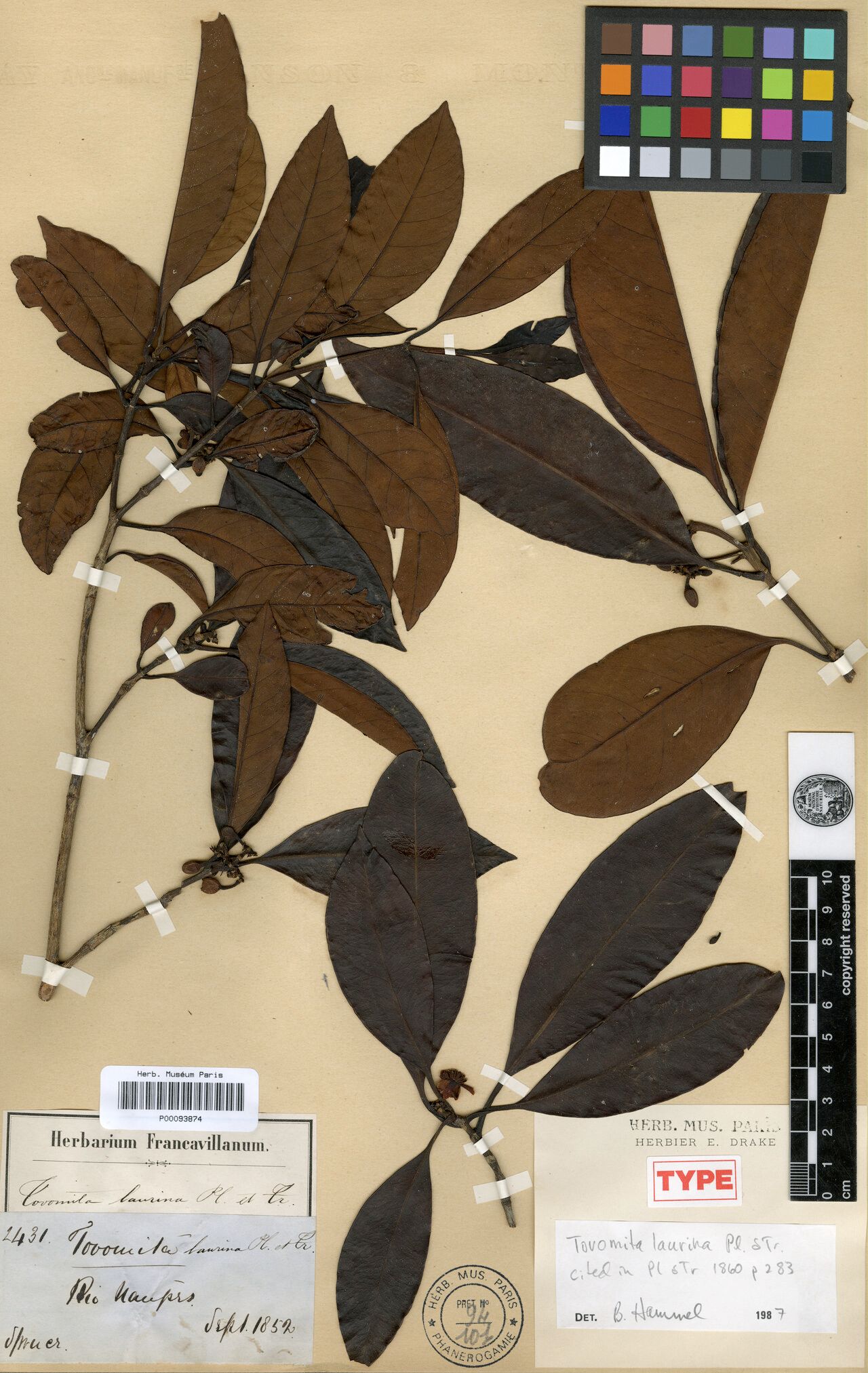
Propagating Tovomita laurina: A Gardener’s Challenge and Reward
Introduction:
Tovomita laurina, also known as the Laura-leaved Tovomita, is a captivating neotropical tree cherished for its attractive foliage and potential in landscaping. Its glossy, dark green leaves and characteristic growth habit make it a desirable addition to tropical and subtropical gardens. However, propagating this relatively uncommon species presents a unique set of challenges, making successful cultivation all the more rewarding. While its popularity amongst gardeners is growing, information on its propagation remains limited.
Seed Germination:
Currently, there are no known reliable methods for seed germination propagation of Tovomita laurina. While seeds may be produced, their viability and germination rates are reportedly very low, and further research is needed to determine optimal germination conditions. Challenges could include dormancy mechanisms, specific requirements for temperature and moisture, and potential fungal infections.
Cuttings:
Propagating Tovomita laurina via cuttings presents a more promising approach than seed germination. However, challenges remain. Success depends heavily on using freshly harvested, healthy cuttings taken from actively growing shoots.
- Challenges: Tovomita laurina cuttings can be slow to root, and the success rate is highly variable depending on factors like the time of year, the type of cutting (e.g., stem, semi-hardwood), and the propagation medium. Fungal infections can also be a significant hurdle.
- Practical Tips: The use of rooting hormone, a high-humidity environment (e.g., propagation chamber or covered tray), and a well-draining potting mix are recommended. Semi-hardwood cuttings taken during the late spring or early summer might prove most successful. Regular monitoring for disease is crucial.
- Rewards: Successful propagation from cuttings offers the advantage of preserving the desirable traits of the parent plant, ensuring uniformity in propagated material. It is a relatively straightforward method compared to tissue culture, making it accessible to home gardeners with some propagation experience.
Division:
Division is not a viable method for propagating Tovomita laurina. This species does not develop readily divisible root systems, making separation into independent plants impractical and likely to result in damage and plant mortality.
Tissue Culture:
Tissue culture presents a potential avenue for large-scale propagation of Tovomita laurina and overcoming the challenges associated with other methods.
- Challenges: Establishing sterile cultures and identifying the optimal growth media and hormonal balance are significant hurdles. This requires specialized equipment, laboratory facilities, and expertise in plant tissue culture techniques. The process is also time-consuming and can be expensive.
- Practical Tips: Research into appropriate media formulations, including auxins and cytokinins, is necessary. Aseptic techniques are paramount to prevent contamination.
- Rewards: Tissue culture offers the highest potential for rapid and large-scale production of genetically uniform plants. It also allows for the production of disease-free plants, potentially beneficial in combating any issues observed with cuttings.
Conclusion:
Propagating Tovomita laurina presents a significant challenge, demanding patience and attention to detail. While seed germination remains unreliable, cuttings offer a feasible, albeit challenging, option for the home propagator. Tissue culture emerges as the most promising method for large-scale production but requires specialized knowledge and resources. The rewards, however, justify the effort. Successfully cultivating Tovomita laurina from any method offers immense satisfaction, reflecting a dedication to working with a rather unique and beautiful plant. For aspiring propagators, I encourage perseverance and thorough research, experimenting with different techniques to find what works best in your specific conditions. The journey, with its moments of frustration and ultimate success, is as enriching as the beauty of the plant itself.