
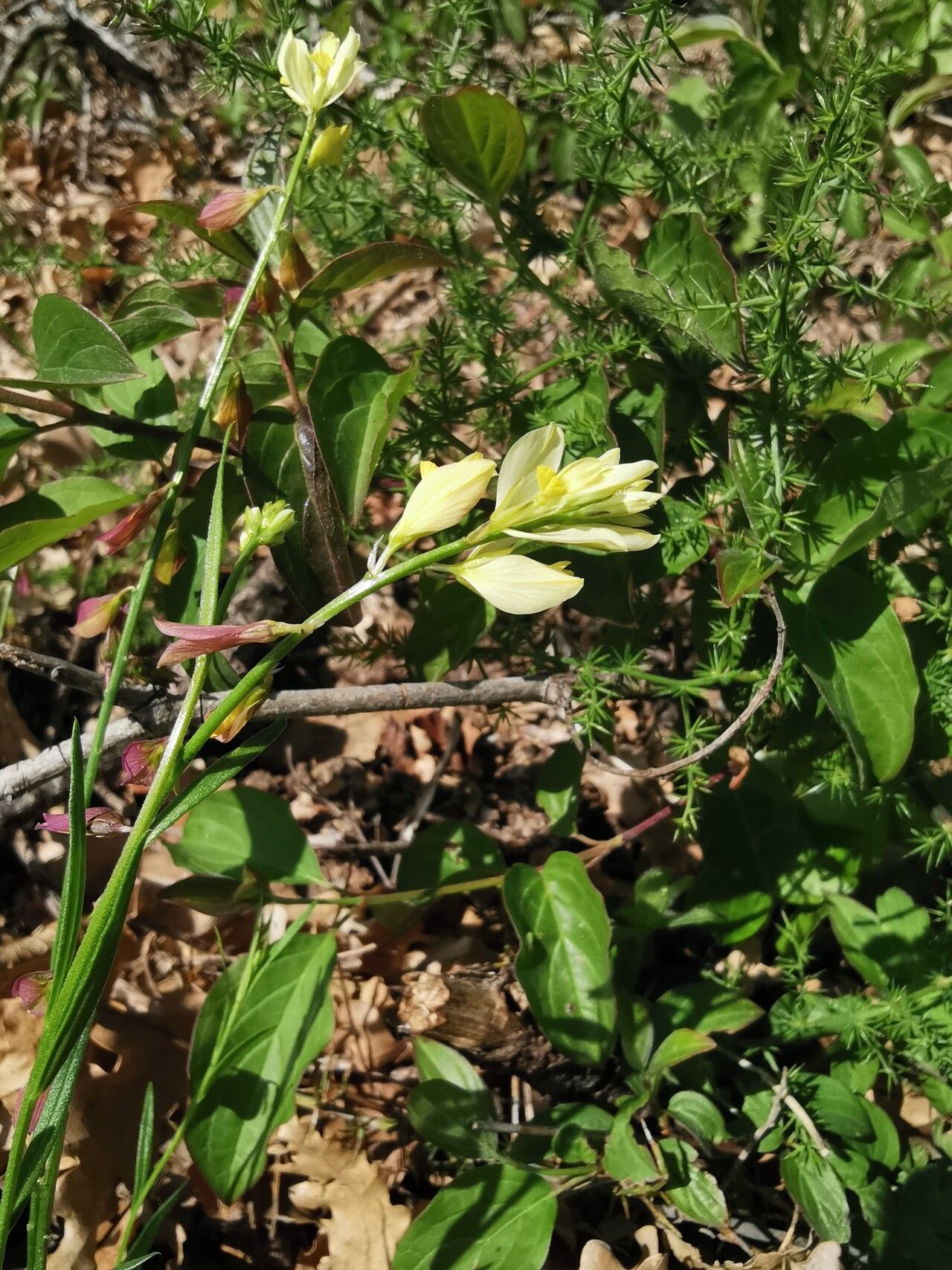
Propagating Polygala flavescens: A Gardener’s Guide
Introduction:
Polygala flavescens, commonly known as yellow milkwort, is a charming perennial prized for its delicate, bright yellow flowers and attractive foliage. Its compact habit and relatively low maintenance requirements make it a popular choice for rock gardens, borders, and containers. While its beauty is readily apparent, propagation can present some challenges, making success all the more rewarding. This article explores various methods of propagating Polygala flavescens, examining their viability and offering practical tips for gardeners.
Seed Germination:
Currently, there are no known reliable methods for seed germination propagation of Polygala flavescens. While seeds may be produced, their germination rate is reportedly very low, and success has not been widely documented. Further research is needed to determine optimal germination conditions, including potential stratification requirements or pre-treatment techniques.
Cuttings:
Challenges: Propagating Polygala flavescens from cuttings presents moderate challenges. The success rate can vary depending on the timing, the type of cutting used, and the environmental conditions. Hardwood cuttings generally yield better results than softwood cuttings.
Practical Tips: Take semi-hardwood cuttings in late summer or early autumn. Use a sharp, clean blade to cut 4-6 inch sections, ensuring each cutting includes several nodes. Remove lower leaves to prevent rotting. Dip the cut ends in rooting hormone powder and plant them in a well-draining propagation mix (e.g., perlite and peat moss). Maintain consistently moist (not soggy) conditions and high humidity (e.g., using a propagation dome or plastic bag). Rooting generally takes several weeks to months.
Rewards: Cuttings provide a relatively quick and efficient method to produce genetically identical plants, retaining desirable traits of the parent plant. This is particularly useful for preserving rare cultivars or exceptional specimens.
Division:
Challenges: Division is a relatively easy method, but it’s limited by the size of the established plant. Polygala flavescens doesn’t readily produce many offsets.
Practical Tips: The best time for division is in spring or autumn, after flowering or before new growth begins. Carefully dig up the mature plant and gently separate the root system into smaller clumps, each with several healthy shoots and roots. Replant the divisions immediately into well-prepared soil, spacing them appropriately.
Rewards: Division is a low-risk propagation method offering a simple way to increase the number of plants, especially for established specimens, and offers a reasonably quick increase in plant numbers.
Tissue Culture:
Challenges: Tissue culture is a complex method requiring specialized equipment, sterile conditions, and a significant level of technical expertise. It is not a readily accessible method for the average home gardener.
Practical Tips: This technique requires a controlled environment with sterile nutrient agar media, specialized plant growth regulators, and a laminar flow hood to prevent contamination.
Rewards: Tissue culture allows for large-scale propagation and rapid clonal multiplication, enabling conservation efforts and commercial production. However, the significant initial investment and technical expertise make it impractical for most home gardeners.
Conclusion:
Propagating Polygala flavescens presents a range of challenges, with seed germination proving currently unreliable. Cuttings offer a moderately successful approach for the home gardener, while division provides a simpler but less efficient method. Tissue culture remains a viable, albeit highly technical route for large-scale propagation. The unique satisfaction derived from cultivating this plant comes from overcoming these challenges; the vibrant yellow flowers reward the patience and dedication required for successful propagation. Although seed germination isn’t currently reliable, don’t be discouraged. Mastering the art of cuttings or utilizing division can bring the joy of cultivating more of these lovely plants. Experimentation and meticulous attention to detail are key to success in propagating this rewarding species.