
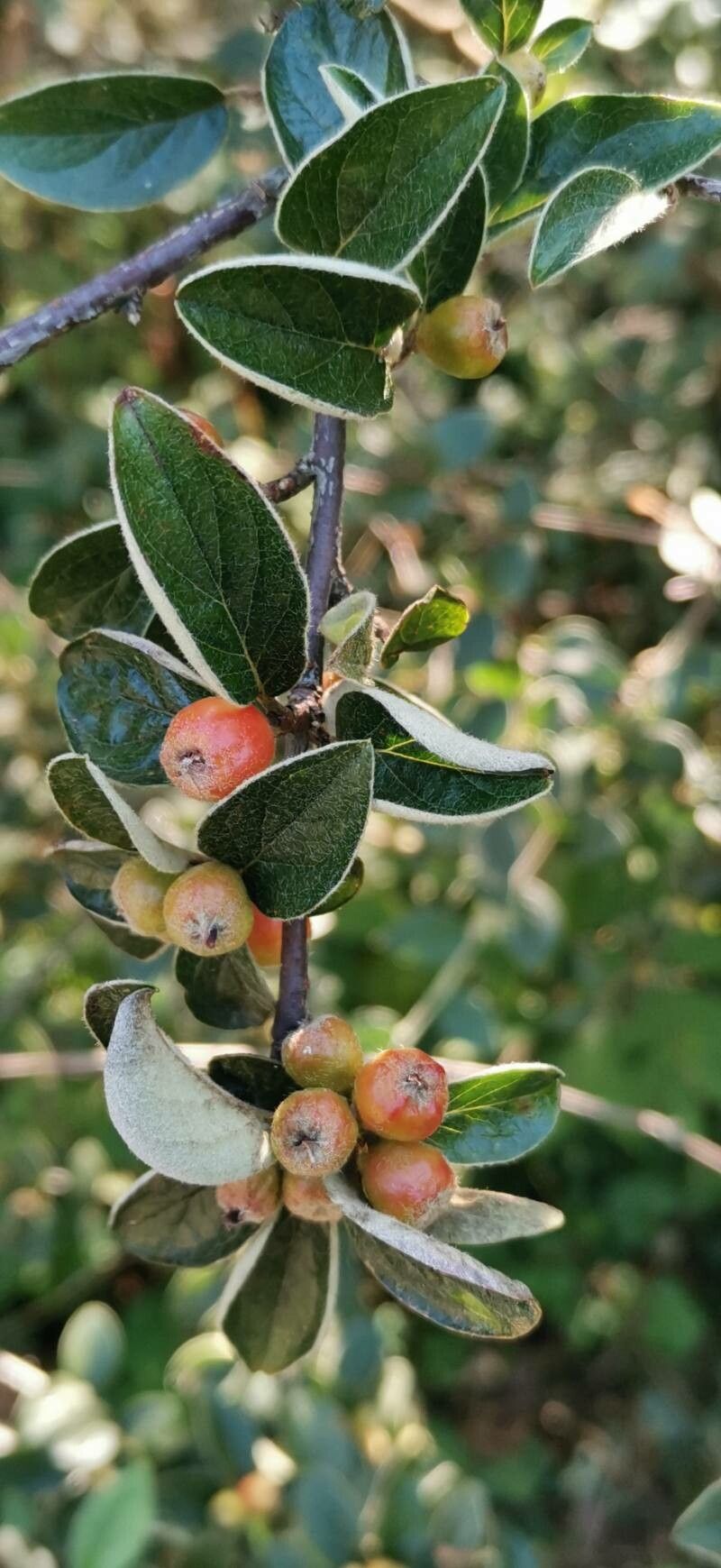
Propagating Cotoneaster induratus: A Challenging but Rewarding Endeavor
Cotoneaster induratus, commonly known as the Rock Cotoneaster, is a hardy and attractive evergreen shrub prized for its dense, compact habit, glossy dark green foliage, and prolific display of small white flowers followed by bright red berries. Its tolerance of poor soils and drought makes it a popular choice for landscaping, particularly in tough, exposed locations. However, propagating this resilient shrub presents some unique challenges. Its relatively slow growth and specific requirements for successful propagation make the process both demanding and ultimately satisfying.
Seed Germination:
Currently, there are no known reliable methods for seed germination propagation of Cotoneaster induratus. While seeds may be produced, their germination rate is notoriously low, often resulting in a negligible success rate. The hard seed coat and potential dormancy periods pose significant hurdles. Therefore, reliance on seed propagation for this species is impractical for most gardeners.
Cuttings:
Cuttings offer a more viable propagation method for Cotoneaster induratus. However, success hinges on careful technique and appropriate timing.
Challenges: Root formation from cuttings can be slow and inconsistent. The hardiness of the woody stems makes them less readily responsive to rooting hormones.
Practical Tips: Semi-hardwood cuttings taken in late summer or early autumn are generally preferred. Cuttings should be approximately 4-6 inches long, with the lower leaves removed to prevent rot. The use of rooting hormone is highly recommended, followed by planting the cuttings in a well-draining propagation mix (e.g., a blend of perlite and peat moss) kept consistently moist but not waterlogged. High humidity, achieved through a propagator or plastic covering, significantly improves success rates. Misting regularly will aid moisture retention.
Rewards: Cuttings produce genetically identical plants, preserving desirable characteristics of the parent plant. This is particularly valuable when propagating a superior cultivar.
Division:
Division is feasible only for established, larger plants of Cotoneaster induratus.
Challenges: The dense, fibrous root system of Rock Cotoneaster makes division difficult and potentially damaging to the parent plant. Care must be taken to ensure each division has a sufficient root mass to support establishment.
Practical Tips: Division is best carried out in early spring or autumn during periods of dormancy. The plant should be carefully dug up, and the root ball divided with a sharp, clean spade or knife. Each division should contain several healthy stems and a robust root system. Plant the divisions immediately and water thoroughly.
Rewards: Division provides a quick way to multiply existing plants. It allows for the easy sharing of already established shrubs.
Tissue Culture:
While potentially the most effective method for large-scale propagation, tissue culture is a highly specialized technique requiring specific equipment, sterile conditions, and expertise.
Challenges: The establishment of aseptic cultures and the optimization of growth media require considerable skill and experience. Costs associated with equipment, media, and laboratory space can be substantial.
Practical Tips: This method is best left to commercial nurseries or research institutions with the necessary resources and expertise. It involves sterilizing plant tissues and growing them on a nutrient-rich agar medium in a controlled environment.
Rewards: Tissue culture offers the potential for rapid and large-scale clonal propagation, allowing for the efficient production of numerous identical plants. This is particularly relevant for rare cultivars or plants with specific characteristics.
Conclusion:
Propagating Cotoneaster induratus presents various challenges depending on the chosen method. Seed propagation is largely impractical while cutting propagation offers a more reliable approach for home gardeners. Division is a simple yet potentially damaging method suitable only for larger plants. Tissue culture remains a specialized technique best employed by professionals. Regardless of the method selected, success requires patience, attention to detail, and a willingness to experiment. However, the rewards – the satisfaction of nurturing a small cutting into a thriving, beautiful shrub – far outweigh the effort expended. The enduring beauty and resilience of Cotoneaster induratus make the undertaking a rewarding experience for any dedicated plant enthusiast. Remember to always source plants responsibly and avoid taking cuttings from plants that may be protected.