
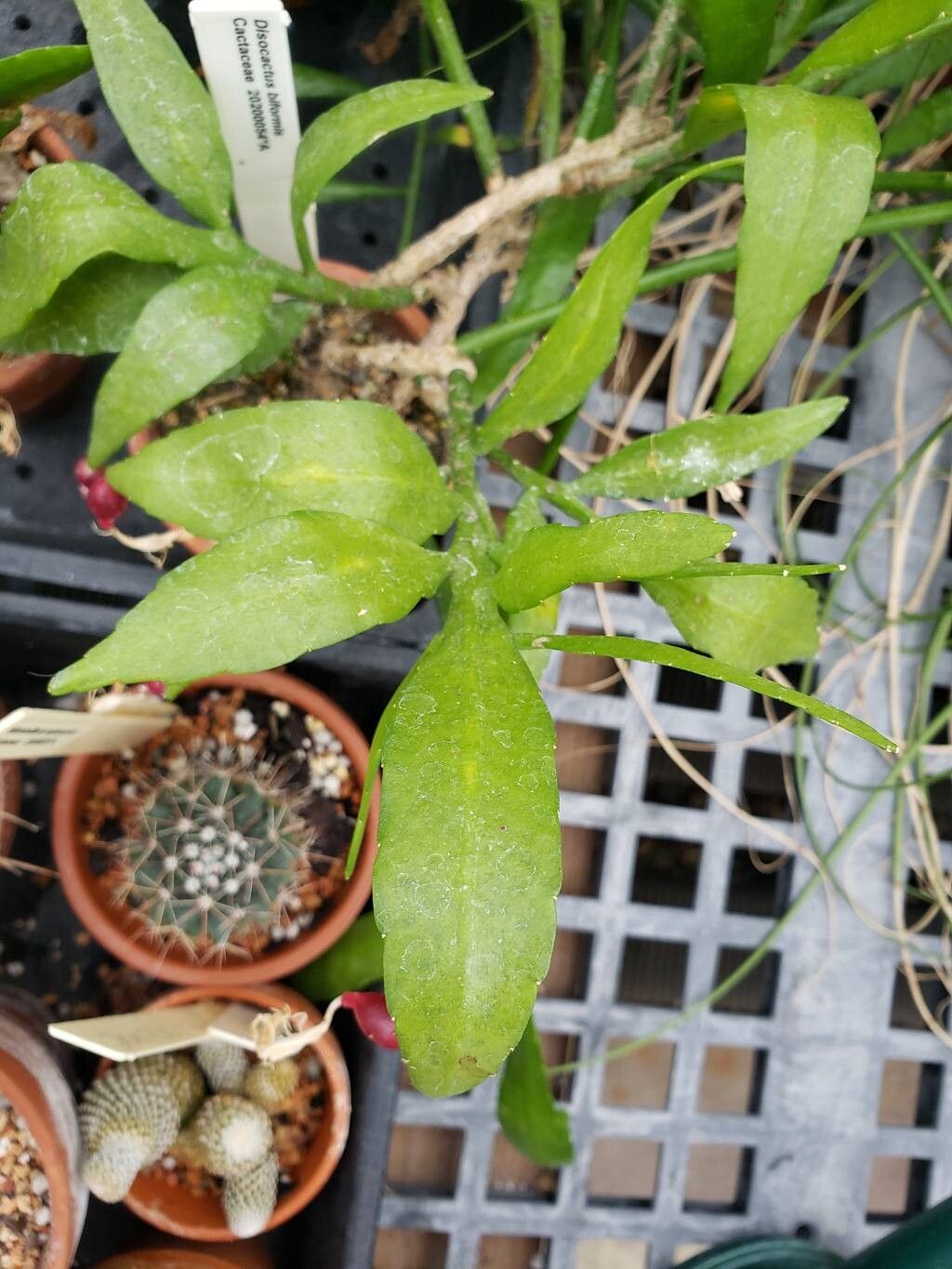
Propagating Disocactus biformis: A Guide for the Passionate Cultivator
Disocactus biformis, also known as the Night-blooming Cereus (though that common name is shared by several species), is a captivating epiphytic cactus prized for its striking nocturnal blooms and unique, somewhat scrambling growth habit. Its slender, flattened stems, adorned with delicate spines, contribute to its aesthetic appeal, making it a popular choice amongst cactus enthusiasts. However, propagation can present some challenges. This article explores various methods, weighing their feasibility and potential rewards.
Seed Germination:
Currently, there are no known reliable methods for seed germination propagation of Disocactus biformis. While seed production is possible, the germination rate is notoriously low, and seedlings are incredibly fragile and susceptible to damping-off diseases. The complexities involved, coupled with the low success rate, render this method impractical for most hobbyists.
Cuttings:
This is the most common and reliable method for propagating Disocactus biformis.
Challenges: The main challenge lies in ensuring the cutting heals properly and avoids rot before rooting. Overwatering is a significant risk.
Practical Tips: Take 4-6 inch stem cuttings in spring or summer from healthy, mature growth. Allow the cuttings to callus over for several days to a week before planting. Use a well-draining cactus potting mix. Plant the cuttings shallowly, ensuring only the bottom node is buried. Keep the cuttings in bright, indirect light and mist occasionally to maintain humidity. Avoid overwatering; let the potting mix dry out slightly between waterings. Rooting hormones can increase success rates.
Rewards: Cuttings offer a relatively quick and straightforward method to expand your Disocactus biformis collection, preserving the genetic characteristics of the parent plant.
Division:
Division is a viable method, primarily for established, larger plants.
Challenges: Carefully separating the plant into manageable sections without damaging the roots or stems is crucial. Each division needs a sufficient root system to support its growth.
Practical Tips: Divide the plant during the spring or early summer, when it is actively growing. Use a sharp, clean knife or shears to separate the plant into sections, ensuring each section has several healthy stems and roots. Plant each division in a well-draining potting mix and water sparingly until new growth appears.
Rewards: Division provides a relatively quick way to multiply mature plants, preserving the existing genetic material.
Tissue Culture:
Tissue culture is a highly specialized technique, rarely employed by home gardeners due to the sophisticated equipment and sterile conditions required.
Challenges: Setting up and maintaining a sterile tissue culture laboratory is expensive and requires significant expertise in microbiology and plant physiology. Contamination is a major risk.
Practical Tips: This method would involve sterilizing plant tissue and culturing it on a nutrient-rich agar medium under sterile conditions. Specialized knowledge and equipment are essential.
Rewards: Tissue culture allows for mass propagation of genetically identical plants, creating a large number of clones in a relatively short time. It’s also useful for disease elimination in the parent plant.
Conclusion:
Propagating Disocactus biformis presents challenges, with cuttings offering the most accessible and reliable method for the home cultivator. While seed germination and tissue culture are less practical choices for most hobbyists, division offers another avenue for propagation of mature plants. The satisfaction derived from successfully nurturing a cutting through the rooting process, or carefully dividing a mature plant, is undeniable. The effort involved, from the initial preparation to the triumphant emergence of new growth, reinforces the connection between cultivator and plant, rewarding patience and dedication. So, persevere, aspiring propagators—the unique beauty of Disocactus biformis awaits your horticultural prowess.