
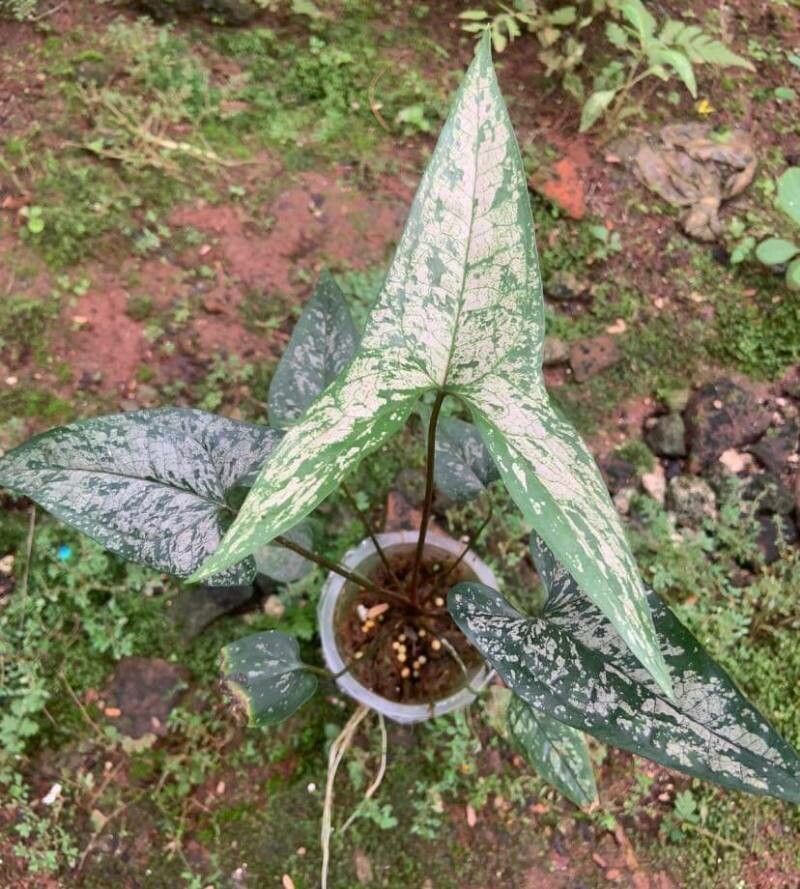
Propagating the Giant Swamp Taro: A Guide to Cyrtosperma beccarianum
Introduction:
Cyrtosperma beccarianum, also known as the giant swamp taro or beccari’s swamp taro, is a striking aroid prized for its impressive size and unique foliage. This magnificent plant, native to the swamps and wetlands of New Guinea and surrounding islands, can reach colossal proportions, boasting massive, heart-shaped leaves that can span several feet. Its popularity among specialist gardeners stems from its architectural presence, its ability to thrive in wet conditions, and its fascinating biology. However, propagation presents certain challenges, making success a rewarding endeavor for dedicated cultivators.
Seed Germination:
Currently, there are no known reliable methods for seed germination propagation of Cyrtosperma beccarianum. While the plant does produce seeds, their viability and germination rate under cultivation are extremely low, if not entirely nonexistent. Further research is needed to determine if specific pre-treatment techniques or controlled environmental conditions could improve germination success.
Cuttings:
Cuttings offer a more viable propagation method for Cyrtosperma beccarianum compared to seeds.
Challenges: Successfully rooting stem cuttings can be difficult. The cuttings are susceptible to rot if not provided with optimal humidity and drainage.
Practical Tips: Use sharp, sterilized tools to take cuttings from healthy, mature stems. Cuttings should ideally include at least one node. Plant the cuttings in a well-draining, moist (but not waterlogged) substrate like a mix of peat moss and perlite, ensuring good airflow. High humidity is crucial; consider using a propagator or covering the cuttings with a plastic bag to maintain humidity. Bottom heat can also aid rooting.
Rewards: Cuttings offer a relatively quick way to increase the number of plants, preserving the genetic characteristics of the parent plant.
Division:
Division is another successful method for propagating Cyrtosperma beccarianum.
Challenges: This method requires a mature, established plant with sufficient rhizomes. Care must be taken to avoid damaging the rhizomes during the division process, as this can lead to plant failure.
Practical Tips: The best time to divide is during the active growing season. Carefully dig up the plant, gently separating the rhizomes into sections, ensuring each section has healthy roots and actively growing shoots. Replant each division in a suitable location with consistently moist soil.
Rewards: Division allows for the rapid propagation of large numbers of plants from a single mature specimen. Like cuttings, it preserves the genetic traits of the parent.
Tissue Culture:
Tissue culture offers the potential for large-scale propagation of Cyrtosperma beccarianum and allows for the production of disease-free plants.
Challenges: This method requires specialized equipment, sterile lab conditions, and expertise in plant tissue culture techniques. It is not a readily accessible method for the average home gardener.
Practical Tips: Specialized laboratories equipped for aroid tissue culture are necessary for this approach. The precise protocols for Cyrtosperma beccarianum may need to be developed on a case-by-case basis.
Rewards: The potential for mass propagation with minimal risk of disease transmission, and the chance for genetic improvement through selection within the lab setting.
Conclusion:
Propagating Cyrtosperma beccarianum presents unique challenges across all methods. While seed germination remains unreliable, cuttings and division provide viable options for home gardeners. Tissue culture offers the potential for large-scale propagation but demands specialized skills and resources. The persistent difficulty of propagation, however, adds immense satisfaction to the successful cultivation of this incredible plant. The reward, a flourishing giant swamp taro, is a testament to patience, skill, and a deep appreciation for this remarkable species. Aspiring propagators should begin with cuttings or division, focusing on providing the optimal growing conditions for successful rooting and establishment. Remember patience is key, and even experienced growers may encounter setbacks. The journey, however, is as rewarding as the destination.