
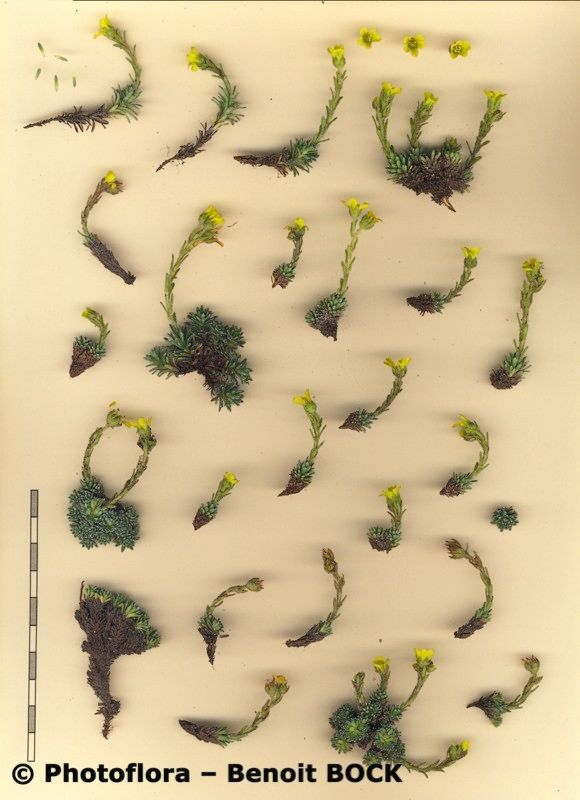
Propagating Saxifraga aretioides: A Mountain Gem’s Challenges and Rewards
Saxifraga aretioides, commonly known as the mossy saxifrage, is a captivating alpine plant prized for its dense cushions of small, grey-green leaves and delicate, starry white flowers. Its compact habit and tolerance of harsh conditions make it a popular choice amongst rock garden enthusiasts, while its relatively slow growth contributes to its perceived exclusivity. This article explores the various methods of propagating this charming species, highlighting their challenges and rewards.
Seed Germination:
Currently, there are no known reliable methods for seed germination propagation of Saxifraga aretioides. While seeds may be produced, germination rates are notoriously low, even under ideal conditions. The tiny seeds require highly specific and often unpredictable environmental factors for successful germination. Further research is needed to establish any viable techniques.
Cuttings:
Propagating Saxifraga aretioides from cuttings presents a more achievable, though still challenging, method.
- Challenges: The success rate depends heavily on several factors. Cuttings need to be taken from healthy, actively growing shoots preferably in spring or early summer. They are prone to rotting if not kept in exceptionally well-drained conditions. The small size of the plant makes the process intricate, requiring skill and patience.
- Practical Tips: Take semi-hardwood cuttings about 5cm long, removing lower leaves to prevent rotting. Use a sharp, sterilized knife or blade. Dip the cuttings in a rooting hormone powder before planting into a well-draining seed-starting mix or a specialized alpine propagation mix. Maintain consistently moist but not soggy conditions, employing excellent ventilation to minimize fungal diseases. A propagator with bottom heat may improve rooting success.
- Rewards: Successfully rooted cuttings provide a direct clone of the parent plant, preserving desirable characteristics. This method is relatively straightforward compared to seed propagation, enabling the multiplication of a limited number of desirable specimens.
Division:
Division is arguably the most reliable method for propagating Saxifraga aretioides.
- Challenges: This method requires a mature, established plant that has developed sufficient size to be divided without severely damaging the mother plant. Over-division can weaken the parent plant and compromise its vitality. Careful handling is crucial to prevent damage to the fragile root system.
- Practical Tips: The best time to divide is during spring or autumn, when the plant is actively growing or entering a period of dormancy respectively. Gently lift the plant, carefully separating the clumps with a sharp knife or by hand, ensuring each division has several healthy shoots and a good root system. Plant the divisions immediately into well-drained soil, keeping them moist until they become established.
- Rewards: Division offers the quickest way to increase the number of plants, preserving the genetic characteristics of the parent plant. It allows for the renewal of older plants that may have become congested or unproductive.
Tissue Culture:
Tissue culture offers the potential for large-scale propagation of Saxifraga aretioides, but this method requires specialized facilities, knowledge, and equipment.
- Challenges: Establishing a sterile culture and maintaining it without contamination is crucial. Specific media and growth regulators are required to optimize growth and development. It is a time-consuming and technically demanding process which necessitates substantial investment in equipment and expertise.
- Practical Tips: Sterile techniques are paramount. This includes using sterile media, tools and a laminar flow hood. Proper sterilization of plant material is also highly important. Experimentation with different media formulations may be necessary to optimize growth and shoot multiplication.
- Rewards: Tissue culture can produce numerous identical plants from a small amount of source material. This is particularly useful for conservation purposes and the large-scale propagation of rare or particularly desirable varieties.
Conclusion:
Propagating Saxifraga aretioides presents distinct challenges depending on the chosen method. While seed germination remains unreliable, cuttings offer a moderate degree of success with appropriate care. Division stands out as the most practical and effective approach for many gardeners, while tissue culture remains a specialized option for large-scale propagation. The rewards, however, are significant. Successfully cultivating this alpine beauty, especially through the more challenging methods, offers a unique sense of accomplishment, a testament to patience, skill, and a deep appreciation for the intricacies of the natural world. For aspiring propagators, perseverance is key. Start with division and slowly explore cuttings; the satisfaction of nurturing these resilient plants from a small fragment to a thriving cushion is a truly rewarding experience.