
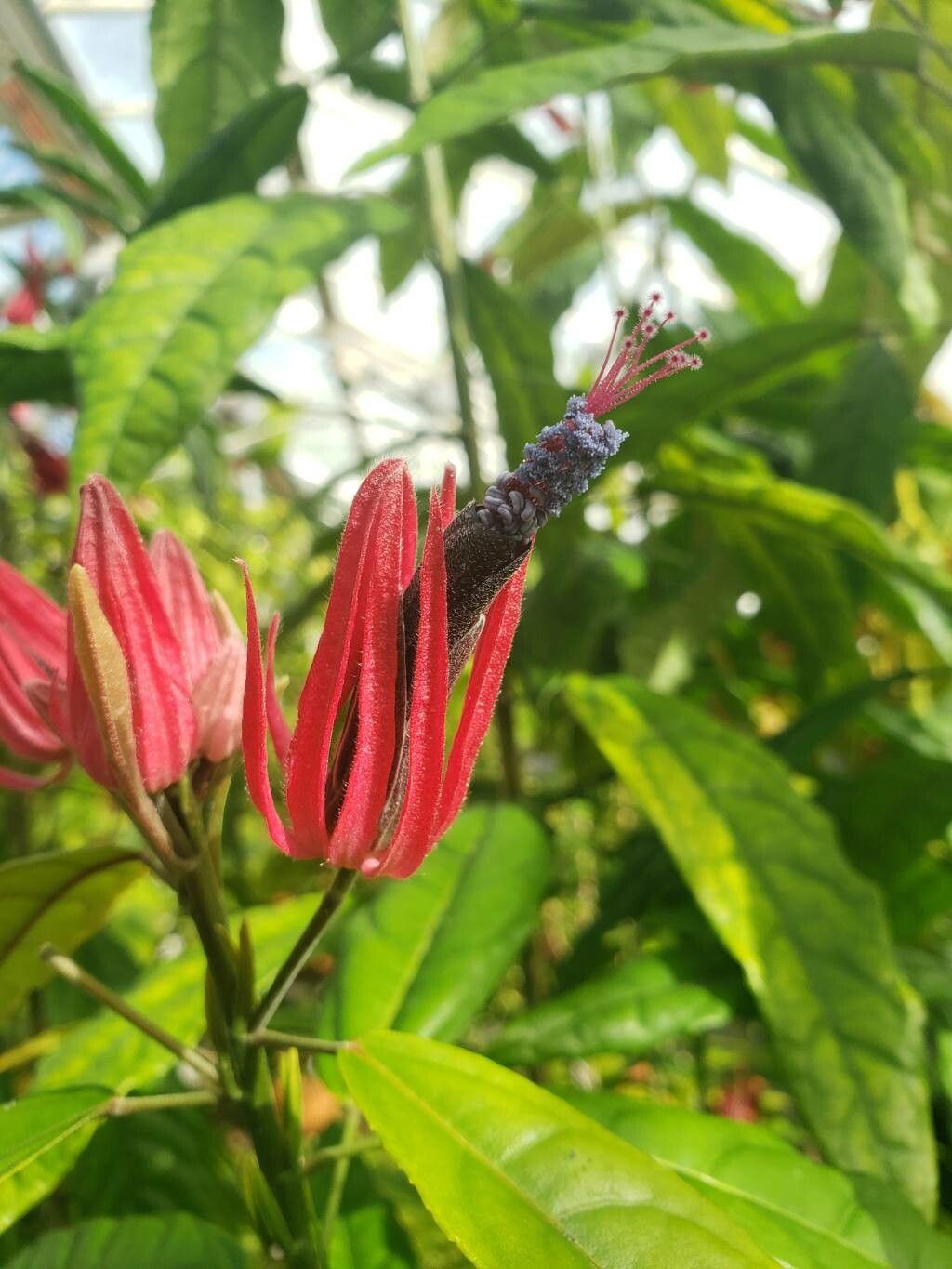
Propagating Pavonia multiflora: A Gardener’s Guide to the Many-Flowered Beauty
Pavonia multiflora, also known as the Many-flowered Pavonia, is a captivating shrub boasting clusters of vibrant, typically red, five-petalled flowers. Its prolific blooming nature and relatively low maintenance requirements have made it a popular choice among gardeners, particularly those appreciating a touch of tropical flair in their landscapes. However, its propagation presents some unique challenges, making successful cultivation a rewarding endeavor. This article explores various propagation methods for Pavonia multiflora, detailing their feasibility and offering practical advice.
Seed Germination:
Currently, there are no known reliable methods for seed germination propagation of Pavonia multiflora. While the plant produces seeds, their germination rate is reportedly very low, and successful germination under typical horticultural conditions has not been consistently documented. Further research into specific stratification techniques or other pre-treatment methods may be necessary to unlock the potential of seed propagation for this species.
Cuttings:
Cuttings offer a more promising avenue for propagating Pavonia multiflora.
Challenges: Success depends heavily on utilizing actively growing, semi-hardwood cuttings taken during the late spring or early summer. The cuttings need to be long enough (approx. 4-6 inches) to provide ample nodes for root development. Preventing fungal diseases is crucial.
Tips: Use a sharp, clean blade to take cuttings, removing lower leaves to prevent rotting. Dip the cut ends in a rooting hormone powder to enhance root development. Plant the cuttings in a well-draining propagation mix (e.g., perlite and peat moss) and maintain high humidity (e.g., by using a humidity dome or misting regularly). Ensure consistent moisture but avoid overwatering.
Rewards: Cuttings provide a relatively quick method of producing genetically identical plants, preserving desirable traits from the mother plant. It’s a suitable method for obtaining numerous plants from a single established specimen.
Division:
Division is a feasible method for propagating Pavonia multiflora, especially if dealing with well-established, larger specimens.
Challenges: The plant’s root system is relatively delicate, making it susceptible to damage during division. Improper handling can lead to plant stress and reduced survival rates.
Tips: Divide the plant in the spring or early autumn, ensuring each division has a healthy root system and several stems. Use a sharp spade or knife to carefully separate the sections. Plant the divisions immediately in well-prepared soil, ensuring the root ball is not disturbed excessively. Water thoroughly after planting but avoid overwatering.
Rewards: Division offers a fast and efficient way to increase the number of Pavonia multiflora in your garden, yielding mature plants sooner than other propagation methods.
Tissue Culture:
Tissue culture offers a high-potential but specialized method for Pavonia multiflora propagation.
Challenges: This technique requires specialized equipment, sterile environment, and expertise in plant tissue culture techniques. It’s generally not a feasible home propagation method.
Tips: Sterile techniques are paramount to prevent contamination. Suitable media and hormone concentrations need to be carefully selected for optimal shoot and root development.
Rewards: Tissue culture allows for the production of a large number of genetically identical plants in a relatively short period. It also minimizes the risk of disease transmission and allows for the preservation of rare or threatened varieties.
Conclusion:
Propagating Pavonia multiflora presents unique challenges across all methods. While seed germination is currently unreliable, cuttings and division offer readily accessible and practical approaches for the home gardener. However, success requires attention to detail, patience, and the understanding that not every attempt will be successful. Tissue culture stands as a powerful, though specialized, option for large-scale or commercial propagation. The unique satisfaction derived from successfully propagating this beautiful plant far outweighs the effort invested. Don’t be discouraged by initial setbacks – persevere, adapt your techniques, and savor the triumph of nurturing this captivating plant from a cutting or division into a thriving member of your garden family.