
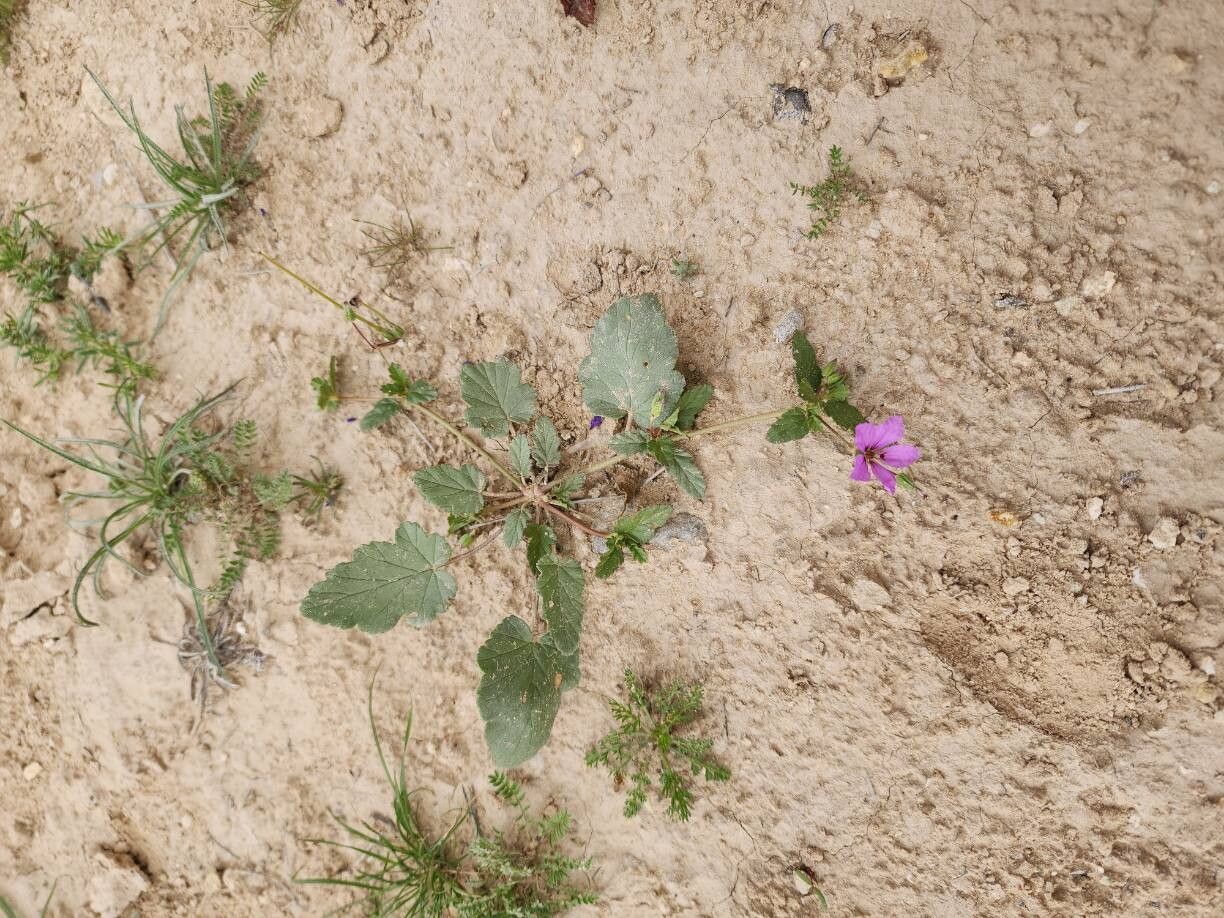
Propagating Erodium glaucophyllum: A Gardener’s Guide to the Red-Stem Filaree
Erodium glaucophyllum, commonly known as the red-stem filaree, is a captivating succulent-like perennial prized for its striking glaucous blue-green foliage and vibrant pink to purple flowers. Its drought tolerance and adaptability make it a popular choice amongst gardeners seeking low-maintenance, aesthetically pleasing additions to their landscapes, rock gardens, or container arrangements. However, propagation of this unique plant presents some intriguing challenges and rewards. Its relatively slow growth adds to the satisfaction of successfully nurturing new plants.
Seed Germination:
Currently, there are no known reliable methods for seed germination propagation of Erodium glaucophyllum. While the plant does produce seeds, germination rates are notoriously low and unpredictable, even under controlled conditions. Further research into specific germination requirements, including potential stratification techniques, may be necessary to unlock the potential of seed propagation for this species.
Cuttings:
Cuttings offer a more viable approach to propagating Erodium glaucophyllum.
Challenges: Rooting success isn’t guaranteed. The cuttings can be prone to rotting if not handled carefully, and the process is generally slower compared to other plants.
Practical Tips: Semihardwood cuttings taken in late spring or early summer show the best results. Use a sharp, clean knife or shears to take 4-6 inch cuttings, removing lower leaves to prevent rot. Dip the cut end in a rooting hormone powder. Plant the cuttings in a well-draining succulent and cactus potting mix, ensuring good drainage. Maintain a consistently moist (but not soggy) environment, perhaps using a humidity dome or propagator, and place in bright, indirect light.
Rewards: This method is relatively straightforward, offering a reliable way to increase the number of your plants. It also ensures genetic uniformity, preserving desirable characteristics of the parent plant.
Division:
Division is another practical method for propagating Erodium glaucophyllum, particularly if you already have a mature plant.
Challenges: Divisions need to be carefully undertaken to avoid damaging the roots, which are somewhat delicate. Large clumps are easier to divide successfully ensuring each division contains enough root mass for survival.
Practical Tips: The best time for division is in spring or early fall. Gently dig up the plant, carefully separating the roots into smaller clumps, each with its own root system and several healthy stems. Replant the divisions in well-draining soil, and water lightly to avoid rotting.
Rewards: A simple, relatively quick, and high-success-rate method to multiply your existing plants.
Tissue Culture:
Tissue culture offers a potential avenue for mass propagation of Erodium glaucophyllum, but it demands specialized equipment, sterile techniques, and considerable expertise.
Challenges: This method requires a controlled laboratory environment and a deep understanding of plant tissue culture techniques – it’s far from a beginner-friendly option. Finding suitable media and growth hormones also necessitate careful experimentation.
Practical Tips: Establishing a sterile workspace and acquiring the necessary sterile media, growth regulators, and suitable vessels are crucial first steps. A protocol optimized for Erodium glaucophyllum would ideally be established prior to attempting large scale propagation.
Rewards: The ability to produce a large number of identical plants quickly, preserving genetic traits, and potentially providing a more efficient method for large scale commercial propagation.
Conclusion:
Propagating Erodium glaucophyllum presents a unique set of challenges, but the rewards for perseverance are substantial. While seed propagation remains unreliable, propagation through cuttings and division provides relatively straightforward and effective methods for home gardeners. Tissue culture, although demanding, offers immense potential for large-scale production. The inherent difficulty in propagating this beautiful plant only increases the satisfaction of successfully nurturing new specimens, adding a layer of personal achievement to the pleasure of cultivating this unique succulent-like perennial. Don’t be discouraged by initial setbacks; persistence and careful attention to detail are key to success. Remember to observe your plants closely and adjust your techniques as needed – the journey of propagating Erodium glaucophyllum is as rewarding as the destination.