
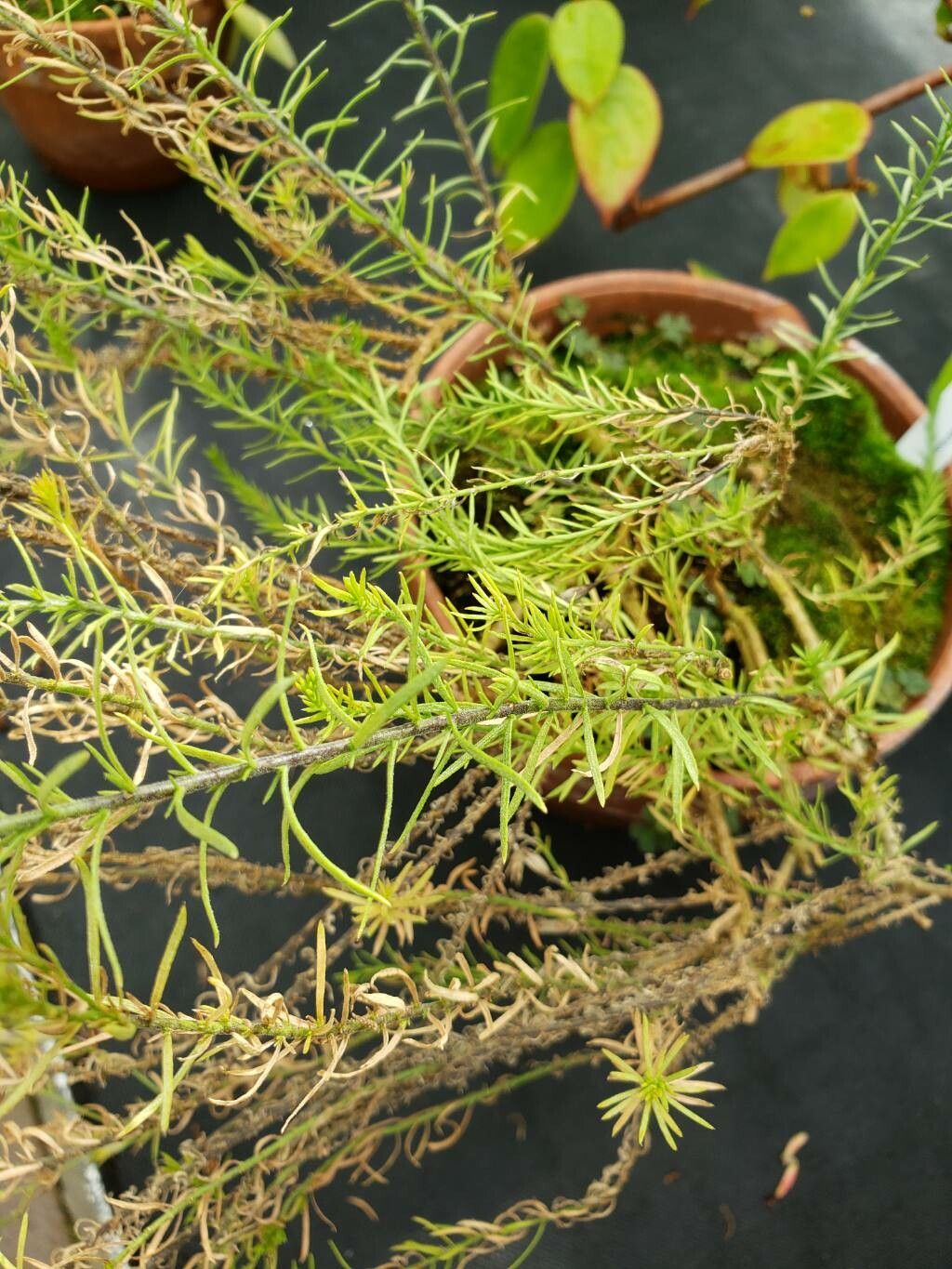
Propagating Nierembergia linariifolia: Cultivating the Cupid’s Dart
Nierembergia linariifolia, commonly known as Cupid’s Dart, is a charming South American native prized for its profusion of delicate, cup-shaped flowers in shades of white, pale purple, and even lavender-blue. Its sprawling habit and relatively low maintenance make it a popular choice for hanging baskets, borders, and rock gardens. However, despite its ease of cultivation once established, propagating Cupid’s Dart presents unique challenges. This article explores various propagation methods, weighing their pros and cons to equip gardeners with the knowledge to successfully cultivate this delightful plant.
Seed Germination:
Currently, there are no known reliable methods for seed germination propagation of Nierembergia linariifolia. While the plant does produce seeds, germination rates are notoriously low, and success is largely unpredictable. Factors such as seed viability, dormancy mechanisms, and precise environmental requirements remain largely uncharted, making seed propagation impractical for most home gardeners.
Cuttings:
Cuttings offer a far more reliable method for propagating Nierembergia linariifolia.
- Challenges: While relatively straightforward, success hinges on proper technique and environmental control. Root rot can be a significant issue if cuttings are overwatered or planted in poorly draining media.
- Practical Tips: Take semi-hardwood cuttings in spring or summer, ensuring each cutting has at least 2-3 nodes. Remove lower leaves to prevent rot and dip the cut end in rooting hormone powder. Plant cuttings in a well-draining mix (e.g., perlite and peat moss), maintaining consistently moist but not soggy conditions. High humidity, provided via a propagator or plastic bag, significantly improves rooting success. Avoid direct sunlight.
- Rewards: Cuttings provide a quick and efficient method to generate genetically identical plants, preserving desirable traits. This method is ideal for large-scale propagation when a specific cultivar is desired.
Division:
Division is another viable propagation method, particularly suited for established plants.
- Challenges: Overly aggressive division can damage the plant, hindering its recovery. Timing is crucial – dividing during active growth in spring or early summer generally yields better results.
- Practical Tips: Carefully lift the mature plant and gently separate it into smaller sections, ensuring each division has healthy roots and sufficient foliage. Replant immediately into well-prepared soil, watering thoroughly.
- Rewards: Division provides a simple and effective way to increase the number of plants and can easily be done as part of general plant maintenance. It is less labour-intensive than cuttings for small-scale propagation.
Tissue Culture:
Tissue culture offers a potential method for mass propagation of Nierembergia linariifolia, though it requires specialized equipment and expertise.
- Challenges: This method is highly technical, demanding a sterile environment and a detailed understanding of plant tissue culture techniques. Cost can also be a significant barrier.
- Practical Tips: Sterile techniques are paramount throughout the entire process. The appropriate growth medium, containing nutrients and growth hormones, must be used. This is generally not a method suitable for home gardeners.
- Rewards: Tissue culture provides the highest potential for large-scale, rapid multiplication of disease-free plants, preserving genetic uniformity.
Conclusion:
While seed propagation is unreliable for Nierembergia linariifolia, cuttings and division offer practical and rewarding alternatives. Tissue culture provides a powerful tool for commercial propagation. Each method presents its own challenges, requiring patience, attention to detail, and a willingness to experiment. Successfully propagating Cupid’s Dart, however, offers a unique sense of accomplishment, transforming the simple act of gardening into a rewarding journey of horticultural mastery. For home gardeners, mastering cuttings is the most likely route to success, ensuring a plentiful display of these charming little flowers year after year. Embrace the challenge, and enjoy the journey!