
Propagating Perezia pungens: Taming the Thistle from the Andes
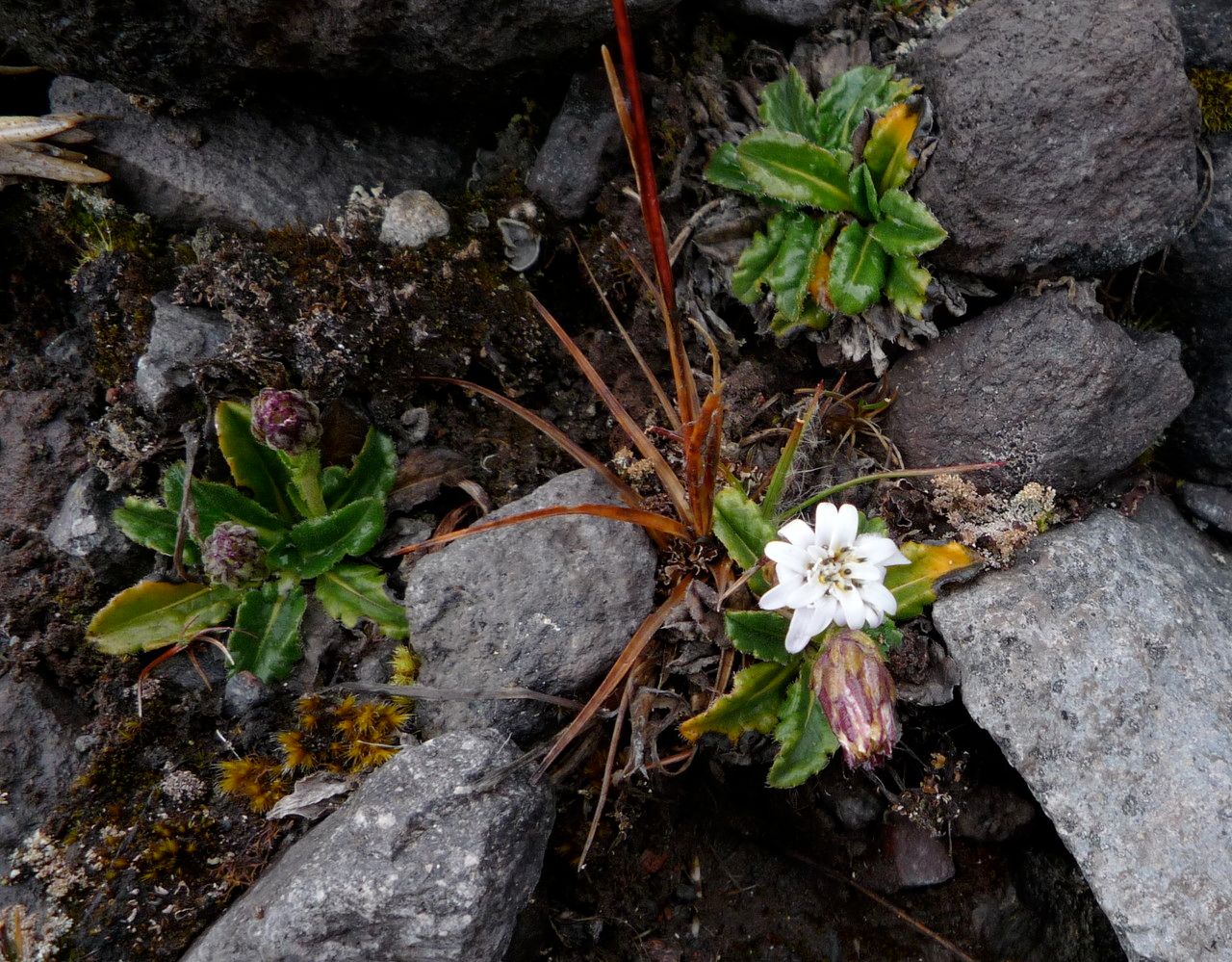
Perezia pungens, also known as the Andean thistle or, less commonly, the spiny perezia, is a captivating South American native prized for its striking silvery foliage and charming, daisy-like purple flowers. Its architectural form and tolerance of harsh conditions make it a unique addition to xeriscape gardens and rock gardens, boosting its popularity among discerning gardeners. However, propagating this tenacious plant presents some unique challenges, requiring patience and specific techniques. This article explores various propagation methods for Perezia pungens, weighing their advantages and disadvantages.
Seed Germination:
Currently, there are no known reliable methods for seed germination propagation of Perezia pungens. While seed may be produced, germination rates are reportedly extremely low, and successful cultivation from seed remains largely undocumented. Further research into specific germination requirements, potentially including scarification or cold stratification, is needed before this method can be considered viable for most gardeners.
Cuttings:
Cuttings offer a more promising approach to propagating Perezia pungens.
Challenges: The stiff, woody stems of Perezia pungens can be difficult to root. Success rates are often moderate, and rooting may take several weeks or even months.
Practical Tips: Semi-hardwood cuttings taken in late spring or early summer, after flowering has finished, offer the best chance of success. Use a sharp knife or shears to take 4-6 inch cuttings, removing lower leaves to prevent rot. Dip the cut ends in rooting hormone powder before planting in a well-draining, slightly moist propagation mix (e.g., perlite and vermiculite). Maintain high humidity using a humidity dome or plastic bag, and place cuttings in bright, indirect light. Avoid overwatering, which can lead to fungal diseases.
Rewards: Cuttings offer a relatively straightforward method to clone plants with desirable characteristics, preserving specific genetic traits. This method is well-suited for small-scale propagation.
Division:
Division is another potentially successful method for propagating Perezia pungens, particularly for established plants.
Challenges: Perezia pungens has a relatively robust root system that can be difficult to divide without damaging the plant. Care must be taken to ensure each division contains healthy roots and substantial foliage.
Practical Tips: Division is best performed during the dormant season (late autumn or early spring). Gently dig up the plant, carefully separating the root crown into multiple sections, each with its own set of roots and shoots. Replant the divisions immediately, ensuring sufficient spacing for growth. Water thoroughly after planting, but avoid overwatering.
Rewards: Division allows for quick increases in plant numbers, and it’s a relatively simple technique once the plant is sufficiently mature.
Tissue Culture:
While not commonly employed by home gardeners, tissue culture could potentially be effective for larger-scale propagation of Perezia pungens.
Challenges: This method requires specialized equipment, sterile techniques, and a thorough understanding of plant tissue culture protocols. Finding a suitable growth medium and establishing optimal environmental conditions may necessitate experimentation.
Practical Tips: This method is best left to professionals with access to laboratory facilities and expertise in plant tissue culture.
Rewards: Tissue culture offers the potential for rapid, large-scale propagation and the elimination of diseases. It also allows for the conservation of rare or endangered genotypes.
Conclusion:
Propagating Perezia pungens presents distinct challenges, with seed germination proving unreliable. Cuttings and division offer the more practical approaches for home gardeners, while tissue culture remains a specialist technique. The rewards, however, are substantial: the satisfaction of cultivating this resilient and beautiful Andean plant, knowing that you’ve overcome the difficulties involved. Remember patience and meticulous attention to detail are key to success. The perseverance required contributes significantly to the sheer joy of watching these striking plants flourish from your own propagation efforts. Don’t be discouraged by initial setbacks – with persistence, you can enjoy the unique beauty of Perezia pungens in your own garden.