
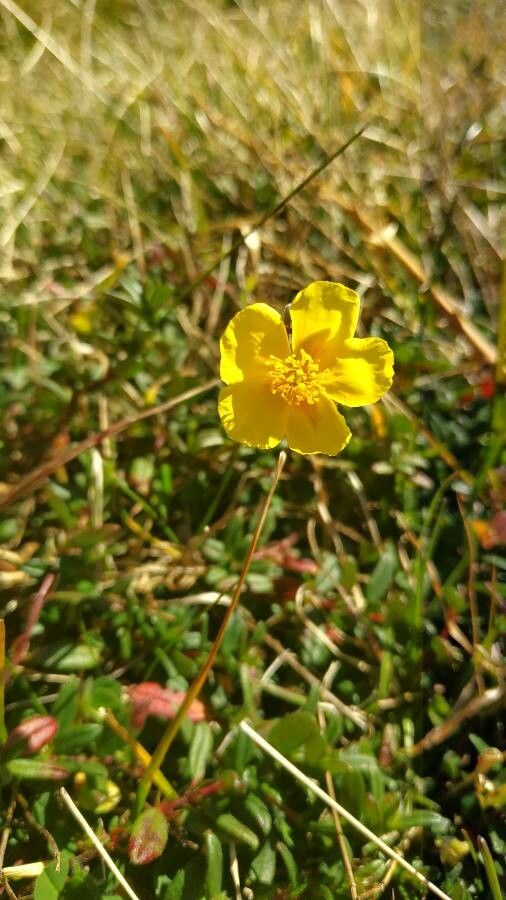
Propagating Rockrose (Helianthemum nummularium): A Gardener’s Guide
Introduction
Helianthemum nummularium, commonly known as Rockrose, is a low-growing, mat-forming perennial prized for its profusion of bright, five-petaled flowers in shades of yellow, orange, pink, and red. Its drought tolerance and ability to thrive in poor, well-drained soil make it a beloved choice for rock gardens, borders, and even containers. Its ease of cultivation in suitable conditions has ensured its popularity, however, propagation can present unique challenges. This article explores various methods for propagating Rockrose and offers practical advice for success.
Seed Germination
Seed propagation of Helianthemum nummularium is possible but challenging. Germination rates are often low and inconsistent, primarily due to seed dormancy. Freshly collected seeds are recommended for the best chance of success.
Challenges: Low germination rates, potential for fungal diseases in damp conditions, slow germination times.
Practical Tips: Seeds benefit from cold stratification. Mix seeds with moist vermiculite or perlite and store them in a sealed bag in the refrigerator for 6-8 weeks before sowing. Sow seeds thinly onto a well-drained seed-starting mix, keeping the surface barely moist. Maintain adequate light and warmth (around 20°C). Avoid overwatering.
Rewards: Obtaining a genetically diverse population of plants from seed allows for variation in flower color and form. This method is potentially cost-effective for large-scale propagation, although germination success must be factored in.
Cuttings
Propagating Rockrose via cuttings is a more reliable method than seed. Softwood or semi-hardwood cuttings taken in spring or early summer generally perform well.
Challenges: Maintaining adequate humidity to prevent desiccation is crucial. Rotting can also be a problem if conditions are too wet.
Practical Tips: Take 5-10cm long cuttings, removing lower leaves. Dip the cut ends in rooting hormone powder before planting in a well-draining, moisture-retentive potting mix. Cover with a plastic bag or cloche to maintain humidity. Place the cuttings in bright, indirect light. Rooting usually takes 4-6 weeks.
Rewards: Cuttings offer a faster and more consistent propagation method than seeds, producing genetically identical plants to the parent plant.
Division
Division is a simple and effective way to increase your Helianthemum nummularium stock, particularly with established plants.
Challenges: Overly aggressive division can damage the plant. Incorrect timing can also lead to lower success rates.
Practical Tips: Divide mature plants in spring or autumn when the soil is moist but not waterlogged. Use a sharp spade or knife to carefully separate the plant into several sections, ensuring each division has healthy roots and foliage. Replant immediately, ensuring good soil contact for the roots.
Rewards: Division is a quick and straightforward method, resulting in multiple plants identical to the parent.
Tissue Culture
Currently, there are no widely published, reliable protocols for tissue culture propagation of Helianthemum nummularium. While theoretically possible, the techniques would require specialized laboratory equipment and expertise.
Conclusion
Propagating Helianthemum nummularium presents distinct challenges depending on the chosen method. While seed germination can be unpredictable, it offers the appeal of genetic diversity. Cuttings provide a more reliable method for producing clones quickly. Division is straightforward for established plants. Tissue culture remains largely unexplored for this species.
The satisfaction of successfully propagating Rockrose, however, is amplified by the initial struggles. Witnessing the tiny seed germinate, the cutting root, or the divided plant thrive is profoundly rewarding. Experimentation and careful attention to detail are key to success. Start with the method you find most accessible (cuttings are often recommended for beginners) and don’t be discouraged by initial setbacks. The vibrant blooms of your propagated Rockrose will be more than worth the effort.