
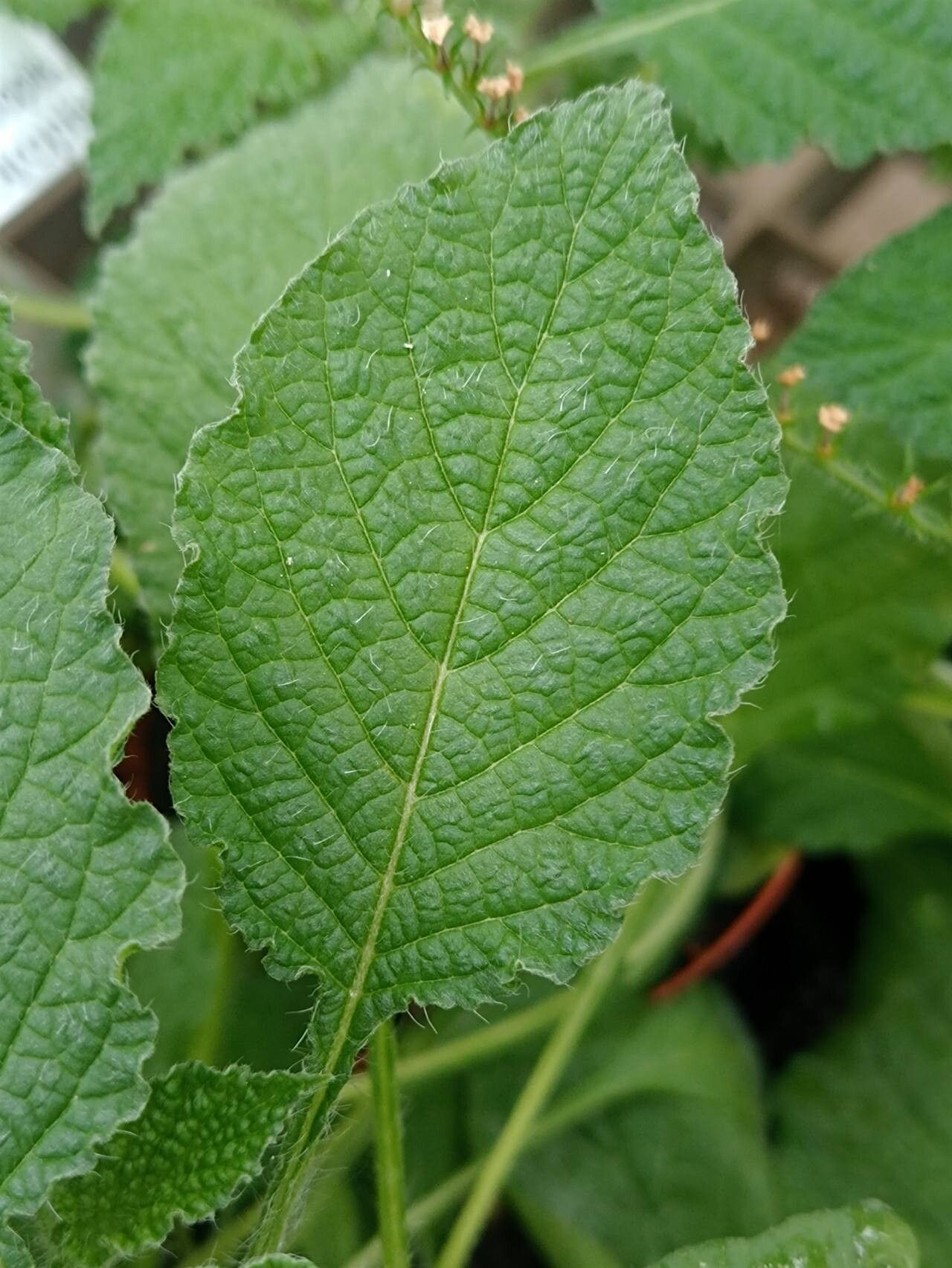
Propagating Heliotropium indicum: The Challenges and Rewards of Growing Indian Heliotrope
Heliotropium indicum, commonly known as Indian heliotrope, is a captivating herb renowned for its small, white or lilac flowers clustered in dense scorpioid cymes. This easily grown, fast-spreading plant is a popular choice among gardeners for its attractive appearance and its medicinal properties. Its tenacious nature and widespread use make propagating it a worthwhile endeavor, although not without its challenges. This article will explore various propagation methods, outlining the difficulties and rewards associated with each.
Seed Germination:
Currently, there are no known reliable methods for seed germination propagation of Heliotropium indicum. While the plant produces seeds, germination rates are notoriously low and inconsistent, making this method impractical for most gardeners. Further research is needed to determine if specific pre-treatments (such as scarification or stratification) might improve germination success.
Cuttings:
Cuttings offer a far more reliable method for propagating Heliotropium indicum.
Challenges: While relatively straightforward, success depends on several factors. Using semi-hardwood cuttings (taken from stems that are neither completely soft nor fully woody) generally yields better results. Sanitizing cutting tools and preventing fungal infections are crucial.
Practical Tips: Take cuttings of approximately 4-6 inches in length, removing lower leaves to prevent rotting. Dip the cut ends in rooting hormone powder to stimulate root development. Plant the cuttings in a well-draining potting mix, ensuring good humidity (e.g., using a propagator or covering with a plastic bag). Maintaining consistent moisture without overwatering is critical.
Rewards: Cuttings offer a simple and effective way to replicate the parent plant’s characteristics, resulting in quicker establishment compared to seed-grown plants. This method is ideal for small-scale propagation and for maintaining desirable traits within a population.
Division:
Division is another viable propagation method, particularly effective for larger, established plants.
Challenges: Careful handling is essential to avoid damaging the roots. The plant needs to be sufficiently mature to allow for division into multiple viable sections, each with a healthy root system and several stems.
Practical Tips: The best time to divide Heliotropium indicum is during the spring or early summer. Dig up the plant carefully, gently separate it into smaller portions, ensuring each division has roots and several stems. Replant the divisions immediately in well-prepared soil.
Rewards: Division is a rapid method for increasing the number of plants and is particularly useful when aiming to expand a large patch of the species.
Tissue Culture:
While potentially yielding large numbers of plants quickly, tissue culture propagation of Heliotropium indicum is a complex and resource-intensive method typically undertaken in specialized laboratories.
Challenges: Tissue culture requires specialized equipment, sterile conditions, and a detailed understanding of plant tissue culture techniques. Establishing a reliable protocol for Heliotropium indicum will require significant research and experimentation.
Practical Tips: This method is not readily available to the average home gardener. It should only be attempted by individuals with extensive experience in plant tissue culture.
Rewards: Tissue culture offers the possibility of mass propagation and disease-free plantlets. It also allows for the preservation of rare or endangered varieties. However, the high cost and technological demands make it highly impractical for home propagation.
Conclusion:
Propagating Heliotropium indicum presents certain challenges, primarily concerning seed germination. However, cuttings and division offer reliable and relatively simple alternatives for both amateur and experienced gardeners. While tissue culture provides opportunities for large-scale propagation and disease elimination, the cost and complexity make it unsuitable for most individuals. The satisfaction derived from nurturing a cutting or division into a thriving plant, however, far outweighs the relative effort involved. So, embrace the challenges, master the techniques, and enjoy the unique rewards of cultivating this vibrant and valuable herb. Remember that patience and careful observation are key to success.