
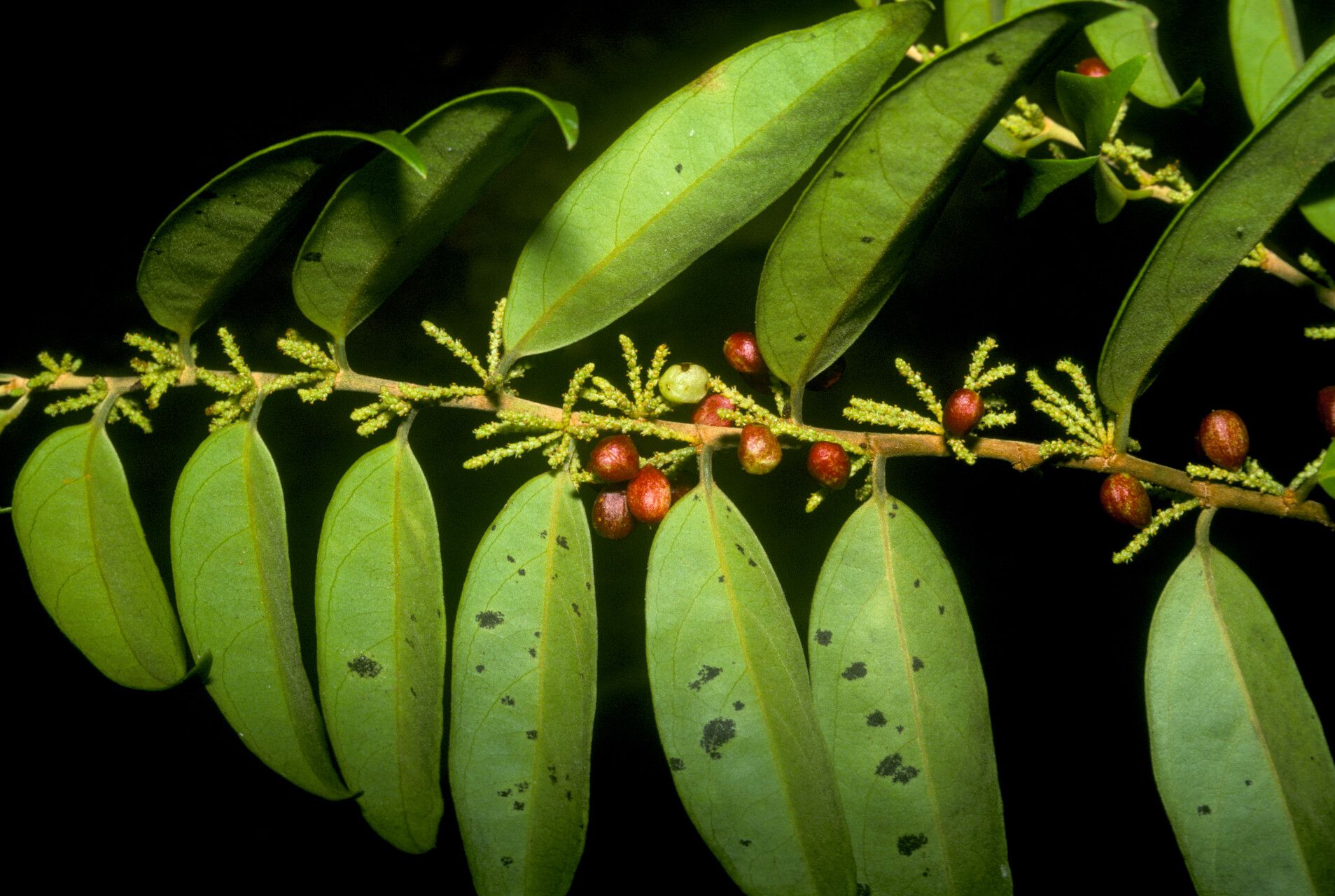
Unlocking the Secrets of Lacistema pubescens: A Propagation Guide
Lacistema pubescens, a fascinating plant species inhabiting the tropical regions of the Americas, often remains hidden in plain sight. While its unassuming appearance might not scream “garden superstar,” delving into its propagation opens a world of unique challenges and rewards. Buckle up, plant enthusiasts, as we unravel the mysteries surrounding Lacistema pubescens propagation and arm you with the knowledge to cultivate this intriguing species.
Despite its presence in the wild, Lacistema pubescens hasn’t quite made its way into mainstream horticulture. This lack of widespread cultivation is partially due to the limited information available on its propagation. However, this also presents a unique opportunity for adventurous gardeners to pioneer its domestication!
Seeds: Patience is Key
Like many wild plants, Lacistema pubescens primarily reproduces through seeds. However, acquiring these seeds can be tricky. They are rarely available commercially, so your best bet is to connect with botanical gardens, research institutions, or dedicated plant collectors who might have access to this species.
Once you secure the precious seeds, patience becomes your greatest ally. They are known for slow germination, often taking several months to sprout. Here’s what you can do to improve your chances of success:
- Scarification: Gently nicking the seed coat with a file or sandpaper can help break dormancy and encourage water absorption.
- Warmth and Moisture: Utilize a seed starting mix that drains well and provides adequate moisture. Maintain a consistent temperature of around 70-75°F (21-24°C).
- Bottom Heat: Using a heat mat can significantly speed up germination by providing consistent warmth to the seed tray.
- Patience: Don’t lose hope! Even with optimal conditions, some seeds might take their sweet time to germinate.
Cuttings: A Potential Pathway
While seed propagation is the more common method, experimenting with cuttings can be an alternative approach. The success rate for this method is still largely unknown and requires further research. If you’re feeling adventurous, here are some tips:
- Timing is Everything: Take cuttings from healthy, actively growing stems during the plant’s active growing season.
- Hormone Power: Using a rooting hormone can significantly increase the chances of successful rooting.
- Humidity is Key: Place the cuttings in a well-lit area with high humidity, perhaps utilizing a humidity dome or a plastic bag over the pot.
Cultivating Success: Beyond Propagation
Successfully propagating Lacistema pubescens is a feat in itself, but proper care is crucial for its long-term survival. While research on its specific needs is ongoing, providing a suitable environment mimicking its natural habitat is key:
- Well-Draining Soil: Replicate the forest floor by using a rich, well-draining potting mix.
- Filtered Light: Avoid direct sunlight, which can scorch the leaves. Mimic its dappled-light habitat by placing it in a spot with bright, indirect light.
- Consistent Moisture: Water regularly, allowing the topsoil to dry slightly between waterings.
Propagating Lacistema pubescens might require some detective work and a healthy dose of patience. However, the reward of introducing this unique species into your collection and contributing to its conservation makes the effort truly worthwhile. So, don your gardening gloves, embrace the challenge, and witness the wonder of Lacistema pubescens flourish under your care!