
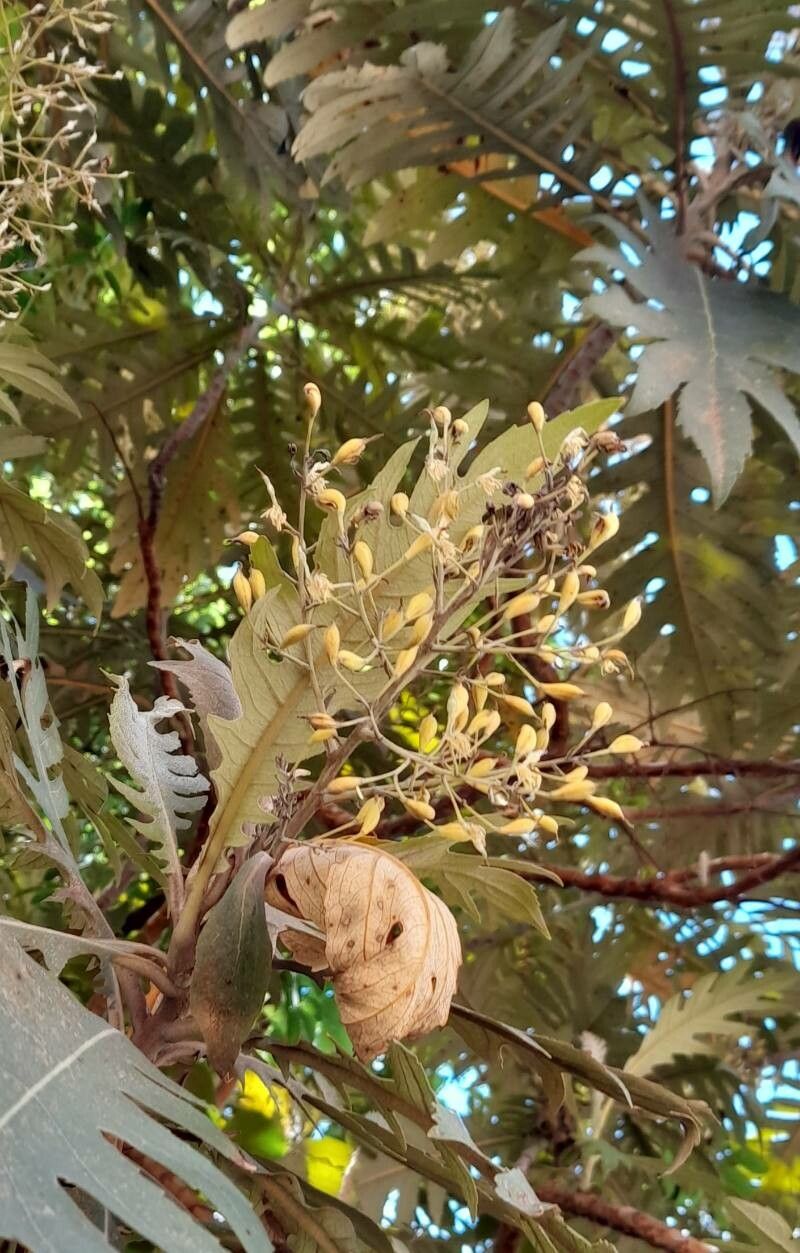
Unveiling the Secrets: Propagating the Majestic Bocconia Integrifolia
The Bocconia integrifolia, with its towering presence and feathery plumes, is a plant that commands attention. Also known as the Tree Celandine or White Poppy Tree, this fast-growing beauty adds a touch of tropical elegance to any garden. But how do you invite this majestic plant to grace your own outdoor space? Let’s delve into the rewarding journey of propagating Bocconia integrifolia.
Understanding the Plant:
Before diving into propagation, it’s helpful to understand the plant’s lifecycle. Bocconia integrifolia is a semi-woody shrub or small tree native to the Americas. It thrives in warm climates and produces striking, large leaves with a silvery underside. The main attraction, however, is the massive plumes of creamy-white flowers that emerge in late summer and early fall, attracting pollinators and offering unique texture to the garden.
Propagation Methods:
While Bocconia integrifolia readily self-seeds, taking control of its propagation ensures you can choose the location and timing. Here are the two most common methods:
1. Seed Propagation:
This method offers the thrill of witnessing a plant’s entire life cycle. Here’s how to do it:
- Seed Collection: Gather mature seed pods from an existing plant in late fall. The pods will turn brown and dry when ready.
- Seed Preparation (Optional): Lightly scarify the seeds by rubbing them gently between sandpaper sheets. This can help improve germination rates.
- Sowing: Sow seeds directly outdoors in fall or start them indoors in late winter. Use a well-draining seed-starting mix and keep the soil consistently moist.
- Light and Temperature: Place seed trays in a bright location with indirect sunlight. Maintain a temperature around 65-75°F (18-24°C).
- Transplanting: Once seedlings are sturdy and all danger of frost has passed, transplant them to their permanent location in the garden.
2. Cuttings:
For a quicker and more predictable method, consider taking cuttings:
- Timing: Take cuttings in late spring or early summer from healthy, non-flowering stems.
- Taking the Cutting: Select a stem that is at least 6 inches long and cut just below a leaf node (where a leaf emerges from the stem). Remove the lower leaves, leaving 2-3 at the top.
- Rooting Hormone (Optional): Dip the cut end in rooting hormone to encourage faster root development.
- Planting: Plant the cutting in a pot filled with a well-draining mix of peat moss and perlite. Keep the soil consistently moist but not waterlogged.
- Humidity and Light: Cover the pot with a plastic bag or humidity dome to maintain high humidity levels. Place the pot in a bright location with indirect sunlight.
- Transplanting: Once roots develop and new growth emerges (usually in 4-6 weeks), transplant the cutting to a larger pot or directly into the garden.
Tips for Success:
- Well-Draining Soil: Bocconia integrifolia is susceptible to root rot, so ensure excellent drainage in both pots and garden beds.
- Sun Requirements: Choose a location with full sun to partial shade.
- Watering: Water deeply but infrequently, allowing the soil to dry out slightly between waterings.
- Support: Young plants may need staking for support as they grow.
Propagating Bocconia integrifolia is a rewarding endeavor for any gardener. By following these steps, you can enjoy the majestic presence of this remarkable plant in your own backyard, adding a touch of exotic beauty and intriguing texture to your landscape.