
Unveiling the Secrets: How to Propagate the Enchanting Fritillaria falcata
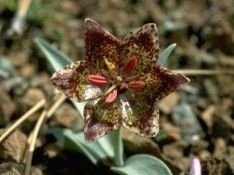
The Fritillaria falcata, also known as the “Talus Fritillary” or the “Scythe-Leaved Fritillary,” is a captivating flower native to the Western United States. Boasting unique, nodding, bell-shaped flowers in hues of chocolate brown or greenish-yellow, often adorned with intricate checkered patterns, this plant is a true gem for any garden enthusiast seeking a touch of the exotic.
While the Fritillaria falcata’s captivating beauty is undeniable, successfully cultivating this native treasure requires a bit of knowledge about its unique propagation needs. Let’s delve into the secrets of propagating this fascinating flower, exploring both the methods of bulb offsets and seed germination:
1. Propagation through Bulb Offsets:
The most common and reliable method for propagating Fritillaria falcata is through bulb offsets.
- Timing is Key: The optimal time to divide and replant offsets is during the plant’s dormant period, typically in late summer or early fall, after the foliage has withered and died back.
- Gentle Division: Carefully dig around the parent plant, lifting the clump of bulbs from the soil. Gently separate the smaller offset bulbs from the main bulb.
- Replanting: Choose a well-draining location that receives partial shade to full sun. Plant the offsets 2-3 inches deep and 4-6 inches apart, ensuring the pointy end faces upwards. Water well after planting.
2. Propagation through Seeds:
While slightly more challenging and time-consuming, propagating Fritillaria falcata from seeds offers a rewarding experience for the patient gardener.
- Seed Collection: Collect seeds from mature, dried seed pods in late spring or early summer.
- Sowing the Seeds: Sow the seeds in a well-draining, seed-starting mix during the fall. Sprinkle the seeds on the surface and cover them lightly with a fine layer of the mix.
- Patience is a Virtue: Seed germination can be erratic, with some seeds sprouting within weeks while others might take a year or more. Keep the seed tray consistently moist and provide cool temperatures.
- Transplanting the Seedlings: Once the seedlings have developed a few true leaves, carefully transplant them into individual pots or directly into the garden, ensuring adequate spacing for growth.
Essential Tips for Success:
Regardless of your chosen propagation method, these tips will help ensure your Fritillaria falcata thrives:
- Well-Draining Soil: These plants are susceptible to bulb rot, so well-draining soil is crucial. Amend heavy clay soils with sand or grit for optimal drainage.
- Sun and Shade: While the Fritillaria falcata can tolerate full sun, it thrives in areas with dappled shade, especially during the hottest periods of the day.
- Water Wisely: Water deeply but infrequently, allowing the soil to dry slightly between waterings. Avoid overwatering, as it can lead to bulb rot.
- Pest and Disease Control: Be vigilant against slugs and snails, common pests that can damage the foliage. Employ preventative measures like diatomaceous earth or copper tape to keep them at bay.
Propagating Fritillaria falcata can be a fulfilling and enjoyable endeavor. By following these guidelines and embracing the plant’s unique needs, you’ll be well on your way to cultivating this captivating beauty and enjoying its unique charm in your own garden.