
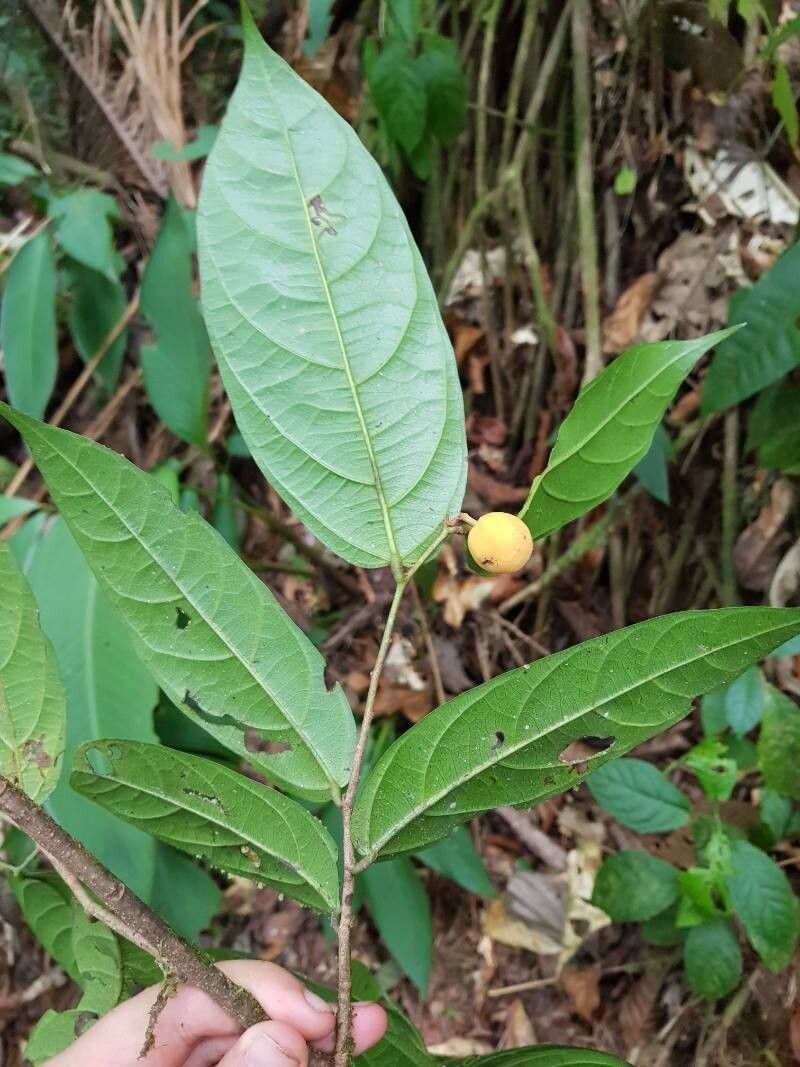
Unlocking the Secrets of the Cauliflorous Tree: Propagating Mortoniodendron cauliflorum
The plant world is full of fascinating surprises, and few are as intriguing as the Mortoniodendron cauliflorum, also known as the “Cauliflorous Tree” or “Mexican Cacao.” This remarkable tree, native to Central America, possesses a unique characteristic that sets it apart: cauliflory. Unlike most trees that bear flowers and fruits on their branches, the Mortoniodendron cauliflorum produces them directly from its trunk and main branches, creating a truly mesmerizing sight. But the mystery doesn’t stop there. Propagating this unique tree can feel like a horticultural adventure, requiring patience and a touch of botanical know-how. Don’t worry; with this guide, we’ll delve into the art of propagating Mortoniodendron cauliflorum and equip you with the knowledge to grow your own piece of this botanical wonder.
Two Paths to Propagation: Seeds and Cuttings
Like many trees, Mortoniodendron cauliflorum can be propagated through two primary methods: seeds and cuttings. Each approach offers its own set of rewards and challenges, appealing to both novice and seasoned gardeners alike.
1. The Seed Route: A Journey of Patience and Discovery
Propagating Mortoniodendron cauliflorum from seed offers a rewarding experience, allowing you to witness the complete life cycle of this captivating tree. However, it’s a path best suited for patient gardeners, as it requires a longer timeframe for the tree to mature.
Here’s a step-by-step guide to get you started:
- Source Fresh Seeds: Finding viable seeds can sometimes be tricky. Your best bet is to connect with reputable seed suppliers specializing in exotic or tropical species.
- Prepare for Germination: Mortoniodendron cauliflorum seeds benefit from scarification, a process of gently nicking or sanding the seed coat to improve water absorption. Soak the scarified seeds in warm water for 24 hours before sowing.
- Sowing the Seeds: Sow the seeds in a well-draining seed-starting mix, covering them lightly with the medium. Maintain a consistently warm and humid environment, ideal for germination.
- Exercise Patience: Seed germination for this species can be erratic, taking anywhere from a few weeks to several months.
2. The Cutting Edge: Propagating with Speed and Precision
For those seeking a faster route to a mature tree, propagation through cuttings offers an effective alternative. This method involves taking cuttings from a healthy, established Mortoniodendron cauliflorum tree and encouraging them to develop roots.
Here’s how you can propagate through cuttings:
- Timing is Key: The optimal time to take cuttings is during the active growing season, ideally in spring or early summer.
- Select Healthy Cuttings: Choose semi-hardwood cuttings, which are shoots that have begun to mature but retain some flexibility. Look for cuttings that are 4 to 6 inches long and have several nodes (small bumps where leaves emerge).
- Prepare the Cuttings: Remove the leaves from the lower half of the cutting and treat the cut end with a rooting hormone powder.
- Planting the Cuttings: Insert the cuttings into a well-draining rooting medium, such as a mix of perlite and vermiculite. Provide bottom heat and maintain high humidity to encourage root development.
Nurturing Your Mortoniodendron cauliflorum
Whether you choose the route of seeds or cuttings, providing the right growing conditions is essential for success. Mortoniodendron cauliflorum thrives in well-drained soil and prefers a warm, humid climate. It’s important to protect young trees from frost and to provide dappled shade or partial sunlight. With proper care and attention, your Mortoniodendron cauliflorum will reward you with its unique beauty and captivating cauliflory.
Propagating Mortoniodendron cauliflorum may require some dedicated effort, but the reward of nurturing this botanical wonder makes it a worthwhile endeavor. So, why not embark on this propagation journey and add a touch of the extraordinary to your own green space?