
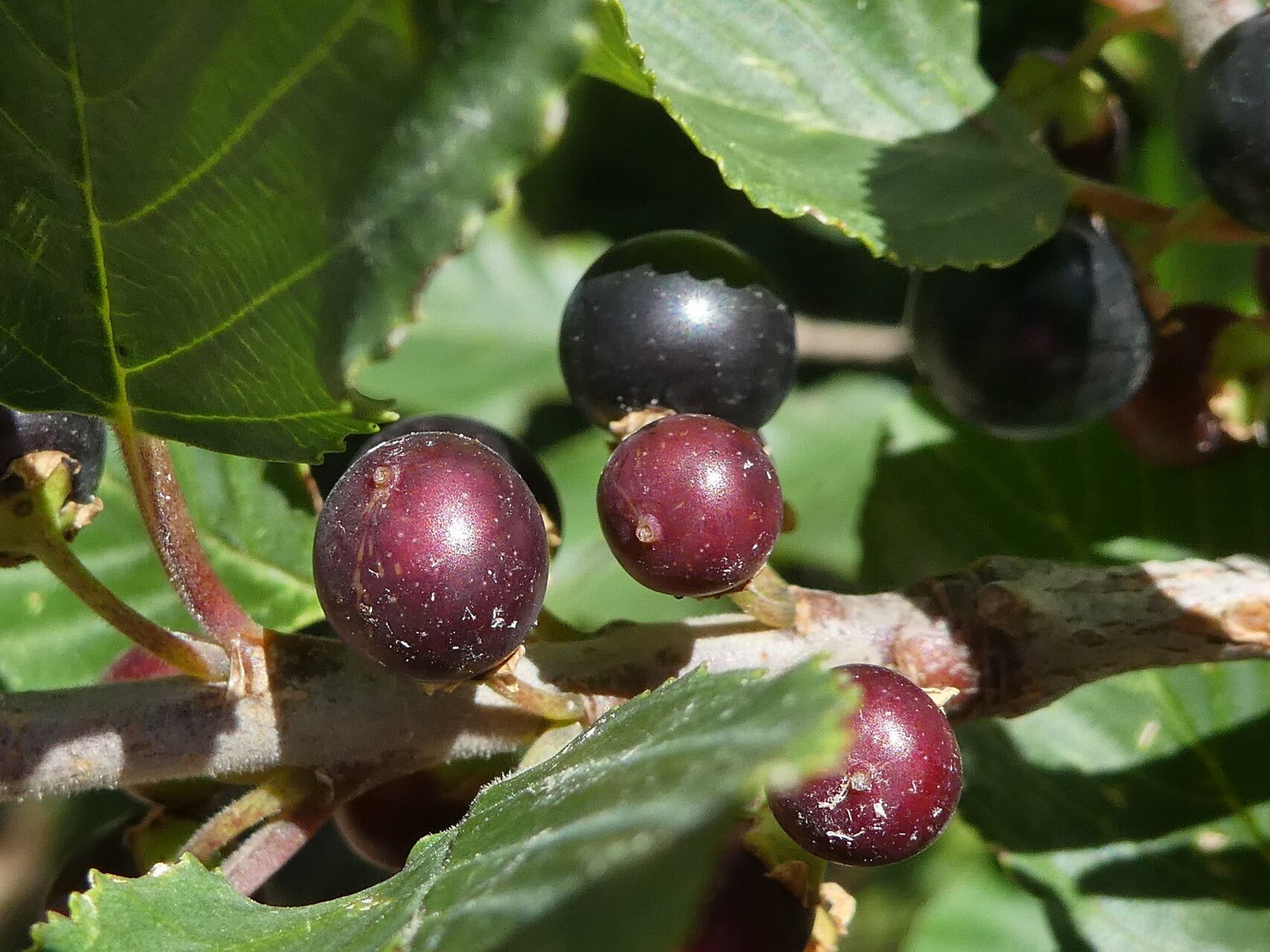
Conquering the Alpine Buckthorn: A Guide to Propagating Rhamnus alpina
The Alpine Buckthorn (Rhamnus alpina), with its glossy green leaves and vibrant red berries, might seem like a plant only fit for the harsh beauty of the Alps. However, this hardy shrub can thrive in various environments, bringing a touch of mountain wilderness to your own garden. If you’re intrigued by the challenge of propagating this intriguing species, look no further! This guide will equip you with the knowledge you need to successfully grow Rhamnus alpina.
Understanding Rhamnus alpina
Before we delve into propagation, it’s crucial to understand the plant itself. Rhamnus alpina, as its name suggests, naturally inhabits the rocky slopes and crevices of mountainous regions. This inherent hardiness makes it surprisingly adaptable to different soil types and climates.
Propagation Methods: Seeds vs. Cuttings
There are two primary methods for propagating Rhamnus alpina:
1. Seed Propagation:
- Collecting Seeds: Harvest ripe berries in the fall. Extract the seeds and clean off any pulp, as this can inhibit germination.
- Stratification: Rhamnus alpina seeds require a period of cold stratification to break dormancy. You can achieve this by placing the seeds in a moist mix of sand and peat moss, then storing them in the refrigerator for 2-3 months.
- Sowing: After stratification, sow the seeds in a well-draining starting mix. Keep them consistently moist and provide bright, indirect light. Germination can be erratic, sometimes taking several months.
2. Propagation from Cuttings:
- Timing: Take semi-hardwood cuttings in late summer or early fall. This type of cutting comes from the current season’s growth that has started to mature but retains some flexibility.
- Preparing Cuttings: Select healthy, non-flowering stems. Make a clean cut just below a leaf node, and remove the lower leaves.
- Rooting Hormone (Optional): While not strictly necessary, dipping the cut end in rooting hormone can improve success rates.
- Planting: Plant the cuttings in a well-draining potting mix. Keep the soil consistently moist and provide a warm, humid environment. A propagation dome or humidity chamber can be extremely beneficial.
Care During Propagation
Patience is key when propagating Rhamnus alpina. Ensure you provide the following throughout the process:
- Well-draining Soil: This species detests waterlogged soil, so use a mix that allows for good drainage.
- Adequate Moisture: Keep the soil consistently moist but not soggy. Overwatering can lead to root rot.
- Indirect Sunlight: Young plants prefer bright, indirect sunlight. Avoid exposing them to harsh, direct sun, especially during the hottest parts of the day.
- Protection from Frost: Rhamnus alpina is incredibly hardy once established, but young plants benefit from protection from frost.
Transplanting and Beyond
Once your seedlings have developed a few sets of true leaves or your cuttings show signs of new growth, you can transplant them into larger containers or directly into the garden. Choose a location with well-drained soil and partial to full sun exposure.
Enjoy the Rewards
Propagating Rhamnus alpina requires a bit of patience and dedication, but the rewards are well worth the effort. Successfully nurturing this unique plant from seed or cutting brings immense satisfaction, allowing you to witness the full cycle of life and add a touch of alpine charm to your garden.